The Threat of Voice Cloning
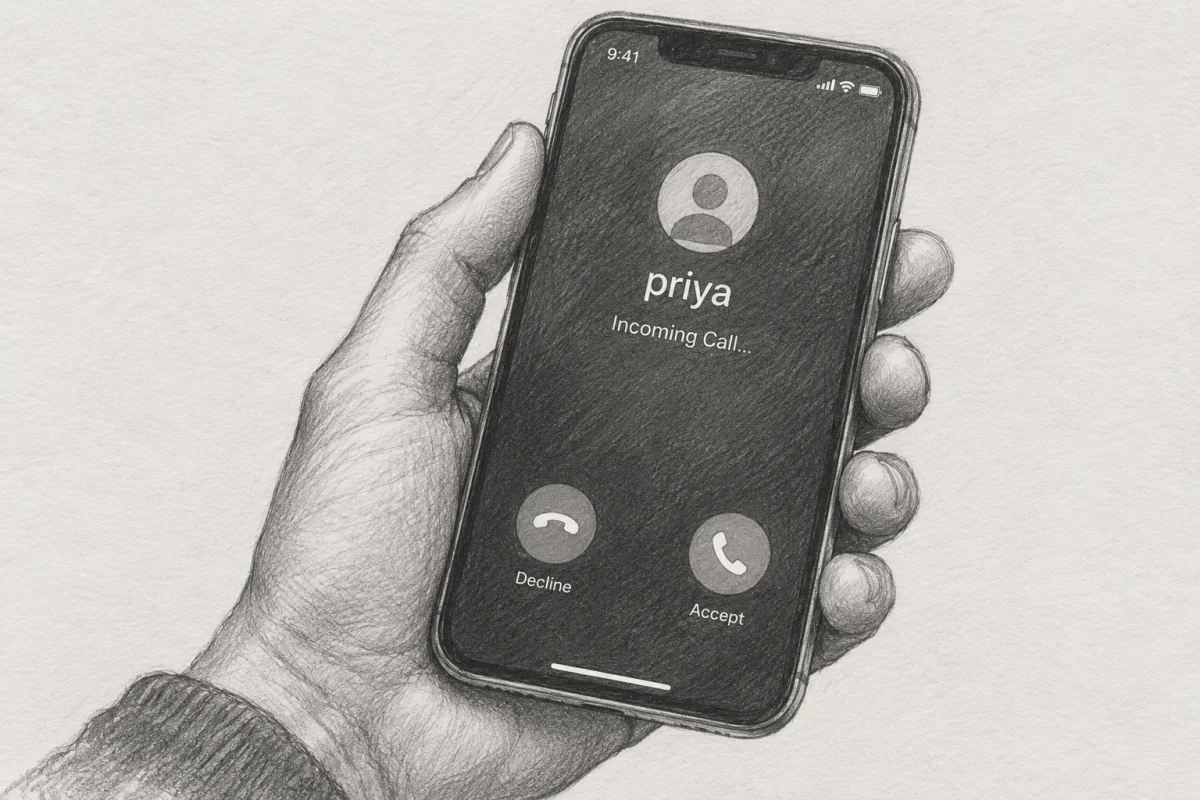
When a phone call came in, Tarini Padmanabhuni’s grandfather believed he was speaking with his brother. The caller claimed to have been kidnapped and demanded a ransom, leading her grandfather to pay before discovering his relative was entirely safe elsewhere. The voice turned out to be an AI-generated deepfake imitation.
Reflecting on the event, Padmanabhuni noted that the financial loss was secondary to the realization that her grandfather had no way of distinguishing the synthetic voice from a real one.
Following that incident about two years ago, she founded San Francisco-based startup DetectifAI to build defenses against similar fraudulent schemes.
Data from the FBI indicates that Americans lost nearly $900 million to AI-driven scams, representing a 24% increase compared to the previous year, with individuals aged 60 and older experiencing disproportionately higher losses.
On-Device Versus Cloud Detection
Existing voice detection solutions from entities like Reality Defender, Pindrop, Resemble AI, and Microsoft primarily operate on remote cloud servers. Padmanabhuni points out that this cloud dependency prevents phone manufacturers from integrating detection directly into consumer hardware, leaving targets largely undefended.
Rather than compressing massive cloud models, DetectifAI develops compact artificial intelligence models engineered to operate locally within a smartphone operating system. This approach aims to provide instant verdicts on calls, voice messages, and other audio streams without transmitting audio off the device.
Commercial Strategy and Applications
DetectifAI targets hardware manufacturers by licensing its software tools for native integration into mobile operating systems, offering an exclusive competitive edge similar to early carrier partnerships in the mobile industry.
The core offering consists of a software development kit that enterprises can embed into their own workflows, with secondary revenue expected from businesses and fraud-prevention entities.
The startup already generates early revenue, processing upwards of 100,000 calls monthly for financial institutions in India. These automated debt collection and loan document verification calls utilize DetectifAI for speaker verification and deepfake detection, though specific customer identities remain confidential.
Founder Background and Funding
Padmanabhuni began working in machine learning at age 12 and later studied cyber-physical systems at the Manipal Institute of Technology in India, where she led a driverless race car division.
DetectifAI has secured early seed funding from investors including Josh Constine and Manohar Kamath, and was selected to participate in a startup competition at TechCrunch Disrupt in San Francisco.