AI and Tech in the Midterms
The 2026 midterm elections will determine the scope of political power in Washington and signal voter priorities heading toward the next presidential cycle. While races are broadly defined by affordability issues, several topics directly impacting the tech industry have captured national attention.
Among them are rising concerns about data centers, local energy costs, artificial intelligence safety, and the rapid expansion of surveillance technology. Additionally, debates over wealth taxation in California have driven heavy tech industry spending and corporate restructuring aimed at keeping executives rooted in the state.
The incoming Congress will likely grapple with how to regulate artificial intelligence and address the infrastructure backlash from local communities. The outcomes of key congressional races will dictate the level of scrutiny major technology companies face on Capitol Hill.
• Severe weather is affecting some voters across the country.In Florida, more than 20 polling sites are being moved due to intense flooding. Storms in the Southwest have also impacted some polling locations in Colorado,Newsweek reports, while Utah will let some voters impacted by flooding return ballots electronically, and Arizona officials are warning voters to check travel updates.
• A ballot scanner issue is impacting a New York suburb.Polling sites across Westchester County are experiencing an issue with their voting machines, but officials say residents can still safely cast their ballots. Election officials have a backup protocol in place to ensure voting can continue.
• Election protection hotline has received 3,000 calls this morning.The nonpartisan coalition running the 866-OUR-VOTE hotline says the calls range from asking about general information, to reporting long lines, lack of signage, or voting equipment issues. Texas, Michigan, Ohio, Pennsylvania, and New York account for the most calls. So far, no calls about federal agents at the polls.
• DOJ sends 1,000 election monitors to watch polls in every state.Federal election monitors are a standard procedure, but this year the Trump administration has expanded it to the “largest monitoring effort in history.” States have prepared to make sure they don’t interfere, as the administration has taken several steps this year to assert more oversight of state-run elections.
Infrastructure and Data Center Backlash
A high-stakes California ballot measure pitched as a fast track for essential infrastructure could provide data center developers with a loophole to evade public scrutiny, environmental advocates warn. Proposition 45 would shorten timelines for state-mandated environmental assessments and make it more difficult for residents to challenge projects in court. Proponents argue the measure would alleviate housing shortages and meet rising electricity demand, while critics contend developers could escape proper regulatory oversight.

OpenAI established an Election Operations Center to monitor misinformation and the abuse of its systems during the voting period. The command center operates to identify the potential spread of misleading content and other efforts to disrupt elections, focusing in particular on real-time platform behavior and compliance with safety terms.
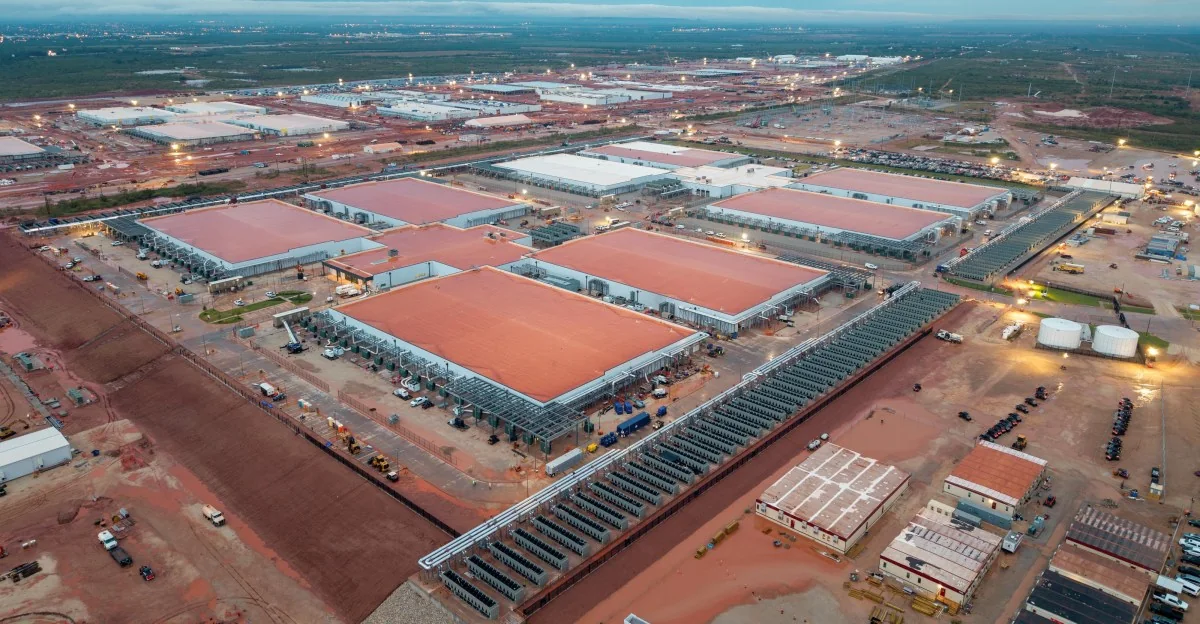
Local opposition to data center developments has surged in numerous communities. In Texas, proposed facilities have faced fierce resistance from residents concerned about resource consumption and land use, leading to municipal pushback and local political friction.
The rapid buildout of massive server storage facilities has sparked community opposition across the country and emerged as a central theme in multiple congressional campaigns. Concurrently, political action committees backed by prominent tech figures have poured millions of dollars into various campaigns, supporting both major political parties while pushing for distinct policy outcomes regarding artificial intelligence safeguards.
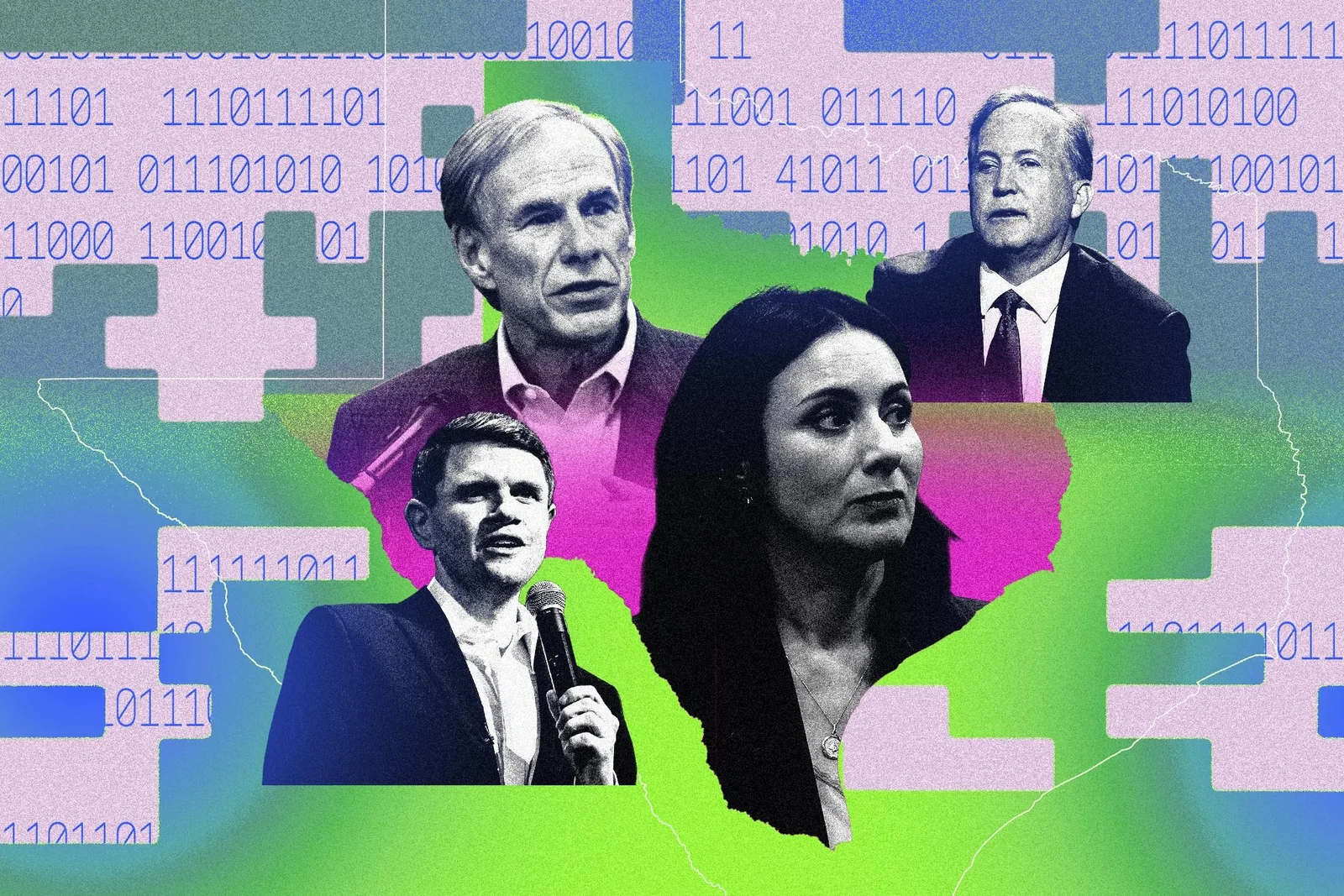
• Image: Cath Virginia / The Verge, Getty ImagesTwo years ago, University of Houston student Vasant Bhatt was doing everything he could to help Republicans regain power. He knocked doors for Sen. Ted Cruz’s reelection campaign and helped organize his community for Donald Trump, two victories he, like many other Republicans, celebrated in 2024. But this week, Bhatt did something unexpected: He voted for Texas Democratic Senate candidate James Talarico, and he publicly urged others to do the same.Bhatt, whose father is a small-business owner, tellsRead Article >The Verge he was initially drawn to the Republican Party due to its economic principles. “The strong belief in individual liberty and limited government,” he says, led him to identify as a conservative. More recently, however, another aspect of his family’s experience has driven him away from the party. As an Indian American, Bhatt feels increasingly unwelcome in a party where racist rhetoric is becoming far too common.
Corporate Governance and Wealth Taxes
Meta altered its corporate structure by issuing special shares to ensure CEO Mark Zuckerberg would not have to relocate from California due to proposed billionaire tax measures. The agreement grants non-voting shares for liquidity while maintaining his voting control, contingent on his continued leadership presence in the state.
• Influencer Nick Shirley listens as US President Donald Trump makes an announcement on fraud in the Oval Office of the White House in Washington, DC, on October 20, 2026. (Photo by Jim WATSON / AFP via Getty Images)AFP via Getty ImagesDonald Trump and Vice President JD Vance said on Tuesday that the Trump administration was giving right-wing YouTuber Nick Shirley $10,000 and launching a $25 million bounty program for members of the public to report fraud.In December 2025, Shirley published a viral video alleging fraud at daycares in Minnesota that were operated by members of the local Somali community. Shirley lingered in parking lots and asked to enter childcare centers, taking refusals as evidence that the centers weren’t actually caring for children. The video quickly went viral, triggering a massive governmental response: Federal immigration agents descended on the Minneapolis area, and the Trump administration froze Minnesota’s federal funding for childcare. Shirley has since visited other states in the US under similar pretenses, showing up unannounced to grocery stores and hospice centers in search of evidence of fraud. Vance and others in the administration publicly praised Shirley, who has since become a mainstay in the MAGA-aligned content creator ecosystem. He’s helped popularize a genre of so-called independent journalism popular on the right in which content creators and influencers confront businesses or people they suspect of fraud or crime as the basis for their online content. Harassment — or even immigration crackdowns — often follow.Read Article >
Congressional Oversight and Future Regulation
If control of Congress shifts in the midterm elections, legislative committees could direct renewed scrutiny toward the technology sector. Lawmakers have signaled an interest in examining tax credits tied to data center energy consumption and security incidents, potentially bringing industry executives to testify regarding corporate operations and infrastructure impacts.
Silicon Valley executives have heavily funded opposition campaigns against state-level wealth taxes. Prominent tech founders and venture capitalists contributed substantial sums to defeat measures that would levy one-time taxes on billionaire assets within California.
• Image: Cath Virginia / The Verge, Getty ImagesSo much for doing less political spending.Elon Musk has handed out at least $276 million to Republican groups since July,The New York Times reports, making him both the party’s top known donor and the biggest established midterm donor. $158 million of that money — one of the largest political donations in American history — has been funneled into the Senate Leadership Fund, the main super PAC that aims to secure and maintain a Republican Senate majority. Among others, it’s fighting to retain the party’s Senate seat in Texas, which serves as a major hub for Musk’s business empire.He’s also donated over $76 million to America PAC, a super PAC Musk founded in 2024 that canvasses for hard-to-reach Republican voters. Smaller amounts have also been given to other conservative groups, including:Read Article >
• Cath Virginia / The Verge | Photo by Stephen Morton, Getty ImagesOne messy database is threatening to disenfranchise thousands or even millions of registered voters, while leaving even more at risk of intimidation or data breaches, in the name of solving a problem that barely exists.As the 2026 midterm elections approach, election and privacy experts are sounding alarms about the Department of Homeland Security’s Systematic Alien Verification for Entitlements (SAVE) Program, which President Donald Trump’s administration has expanded to ostensibly catch noncitizens voting. Experts say that amounts to a dangerous, error-prone effort to centralize voter data. “The federal government doesn’t have the authority to do any of that and doesn’t have the expertise either,” says Eileen O’Connor, senior counsel at the Brennan Center. “Inserting themselves into the day-to-day functioning of state elections is unprecedented and disturbing.”Read Article >
• Image: Cath Virginia / The VergeA handful of Democrats called an unofficial hearing on Capitol Hill Monday to slam the Department of Justice’s “trivial” and “pathetic” settlement with Live Nation-Ticketmaster, previewing how they might go after Trump administration antitrust deals if they win back congressional power in November.While the DOJ settlement with Live Nation, which came one week into trial and with a promise of up to $280 million, received copious pushback, Democrats don’t at the moment have the power in either chamber to set committee agendas. That meant that Monday’s so-called shadow hearing looked different than most official proceedings. Instead of sitting at the elevated seats behind the dais, the lawmakers sat at tables below, eye level with witnesses including California Attorney General Rob Bonta, one of the AGs continuing the fight against Live Nation-Ticketmaster, ousted Trump administration antitrust official Roger Alford, and several entertainment industry players, including a member of the band The Hold Steady. Several artists asked to appear at the forum declined out of fear for their livelihoods, according to House Judiciary Committee Ranking Member Jamie Raskin (D-MD), who co-hosted the forum with Senate Homeland Security permanent subcommittee on investigations Ranking Member Richard Blumenthal (D-CT).Read Article >
While public opinion polling indicates widespread community concern regarding the rapid deployment of artificial intelligence and its infrastructure demands, policy experts note that broader economic concerns frequently dominate the primary platforms of political campaigns.