The Viral Claims
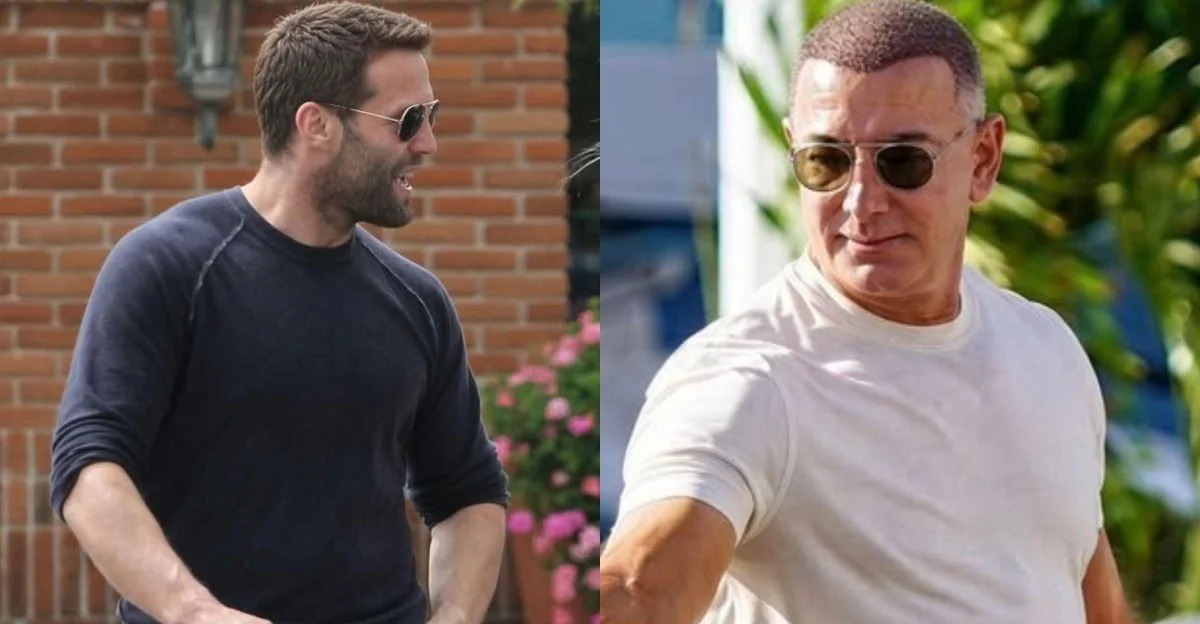
Amazon founder Jeff Bezos and actor Jason Statham have a distinctive feature in common: They are both famously bald. However, images circulating around social media platforms depict them with substantially more hair than their usual shaved look. These modified photos suggest that Bezos underwent a hair transplant, but the claims are entirely fabricated.
Those Jeff Bezos hair transplant photos are very fake
In the era of accessible digital manipulation tools, edited paparazzi photographs serve as a reminder that visual evidence on the internet requires careful verification.
These edits of Jason Statham and Jeff Bezos present a jarring visual contrast designed to catch the attention of users scrolling through feeds.
Engagement and Social Media Spread
While the precise reach of these posts varies, they appear frequently enough across feeds that users often mistake them for genuine news. Generative tools and editing software have made visual tampering more accessible, and because platform labeling systems struggle to flag altered media consistently, users can easily be misled. In environments where engagement translates directly into attention or revenue, manipulated media remains a common tactic for driving interactions.
Technical Verification
Testing the circulating files yields no definitive digital watermarks or provenance markers like Content Credentials or SynthID, leaving the exact creation method unconfirmed. Nevertheless, confirming their authenticity takes minimal effort through basic digital forensics.
Running the images through reverse image search engines quickly reveals the unaltered source material. For Bezos, the search points to photographs taken in 2023 showing the same environment and attire without hair. Similarly, searches for the Statham image surface original paparazzi photographs taken years prior.
The discovery demonstrates how older, real media is frequently repurposed to manufacture viral online narratives.
Anatomical and Practical Implausibility
Additional context comes from examining the biological and medical realities of hair replacement procedures. Hair transplants typically require sufficient donor hair from the patient's own scalp to achieve natural results. Furthermore, transplant patients usually experience noticeable facial swelling during the immediate post-operative recovery period, a symptom entirely absent in the modified images. Non-permanent alternatives such as high-end hair systems also present practical challenges that make such an outcome unlikely.
A Broader Pattern of Digital Alteration
This incident follows a long line of digitally manipulated celebrity images designed to generate online engagement. Previous viral examples include fabricated images of public figures in unusual attire or manipulated paparazzi shots intended to provoke reactions. These items leverage public fascination with celebrities, spreading quickly among users who either accept them at face value or ignore verification steps.
When encountering questionable media of famous individuals, tracing the visuals back to their original context remains the most reliable method for confirming authenticity.