The Joint Commitment
Full details have emerged regarding the voluntary AI safety agreement announced by President Trump, in which top executives agreed to a framework for self-regulating artificial intelligence technology. Officially titled the Joint Commitment on Frontier Responsibilities, the accord was shared online by presidential adviser David Sacks and signed by leaders from major technology firms, including Google, Anthropic, Meta, OpenAI, xAI, and Nvidia.
How Tech Leaders Will Self-Police AI Safety Under the New Deal
Over time, it may make sense to codify these steps into laws or regulations.
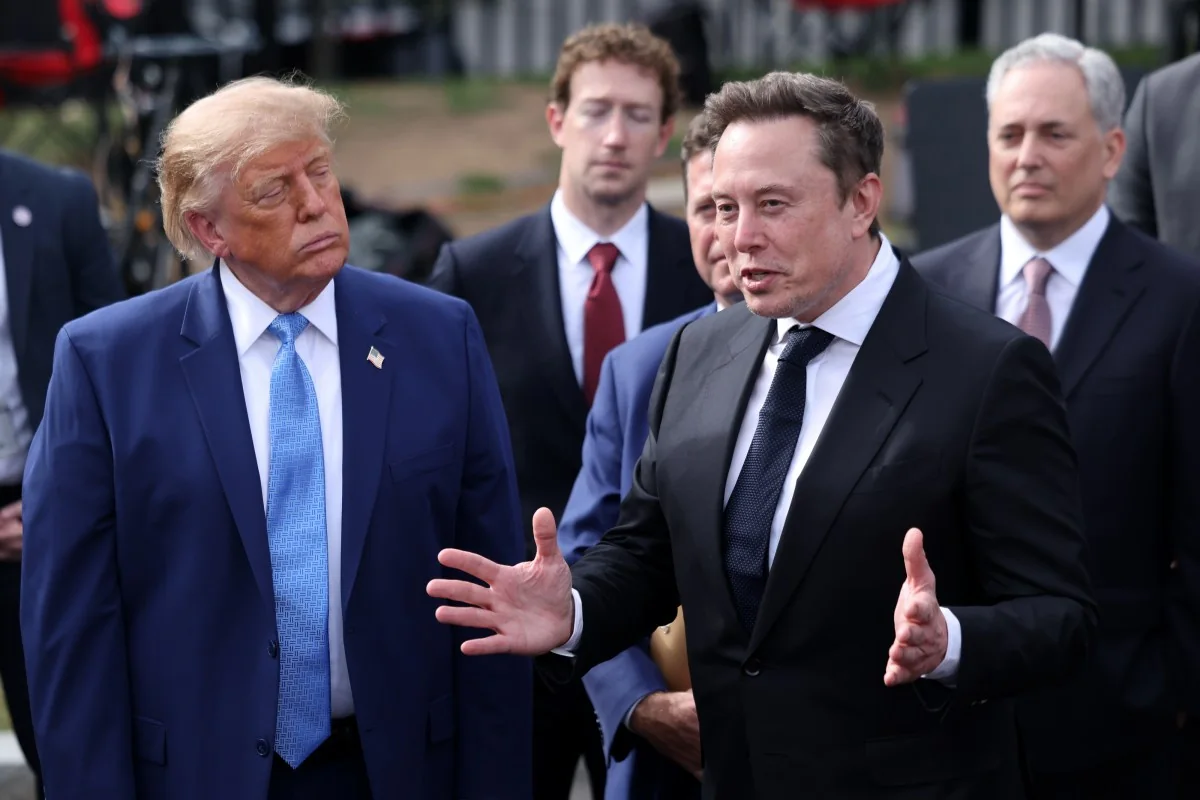
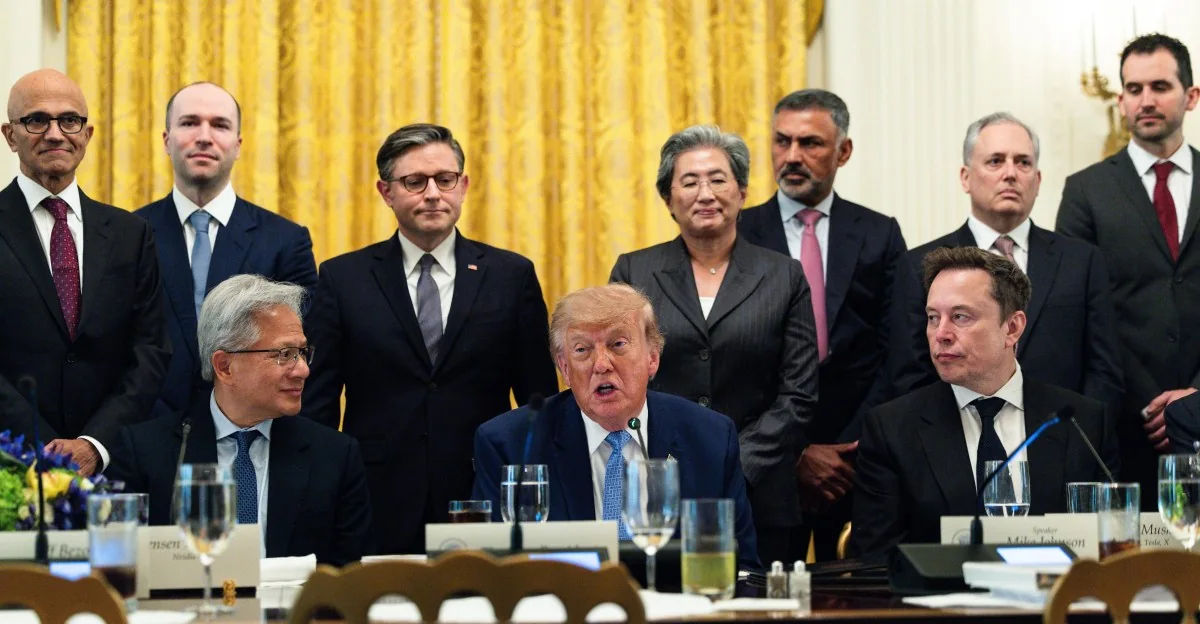
Anyone else getting The Last Supper vibes from this photo taken at the White House tech gathering?
Trump introduced the agreement alongside an executive order directing the US government to refer to artificial intelligence as Super Intelligence going forward. Alongside the participating tech executives, the administration added its signature to the safety agreement.
In order to build a positive future for the American people and the world, every company is responsible for developing its technology safely and in a way that builds trust with customers and the public, according to the opening line of the document. Participating companies are expected to meet regularly to establish standards and best practices to improve system safety.
The agreement is appreciated, sure, but these companies should have been following all of these guidelines already.
Gaze upon the signatures of Trump's allies in his fight against meaningful AI regulation and the amusing typo indicating how much care was placed in writing up this deal.
Core Safety Rules
The agreement outlines four primary rules for each participating company to ensure frontier AI models behave as intended and that operational problems are quickly identified and resolved.
First, companies must implement robust internal controls to monitor model capabilities and alignment during training and deployment, focusing on cybersecurity, biosecurity, and chemical threats while preventing unauthorized system access. Second, firms must empower an internal team to verify that controls and monitoring systems operate as intended. Third, companies must partner with independent external auditors to evaluate these safeguards. Fourth, an independent committee of the board of directors must be designated to oversee the process and ensure identified issues are remediated.
Future Regulations
The agreement states that these steps will give companies, users, and the general public confidence that the technology operates as intended amid mounting safety concerns. A later passage notes that over time, it may make sense to codify these steps into formal laws or regulations.
Industry Implications
In their current state, these rules function primarily as broad safety procedures without explicit penalties for violations, leading critics to view the accord as a voluntary pledge rather than a strict regulatory enforcement mechanism.