Political Hurdles for AI Infrastructure
Meta president Dina Powell McCormick stated that recent midterm election results may complicate the company's ability to build new data centers, noting that the industry has struggled to effectively communicate the benefits of these investments to the public.
During the WSJ Tech conference, the executive noted that local opposition to data centers is increasingly linked to broader public sentiment regarding AI technology.
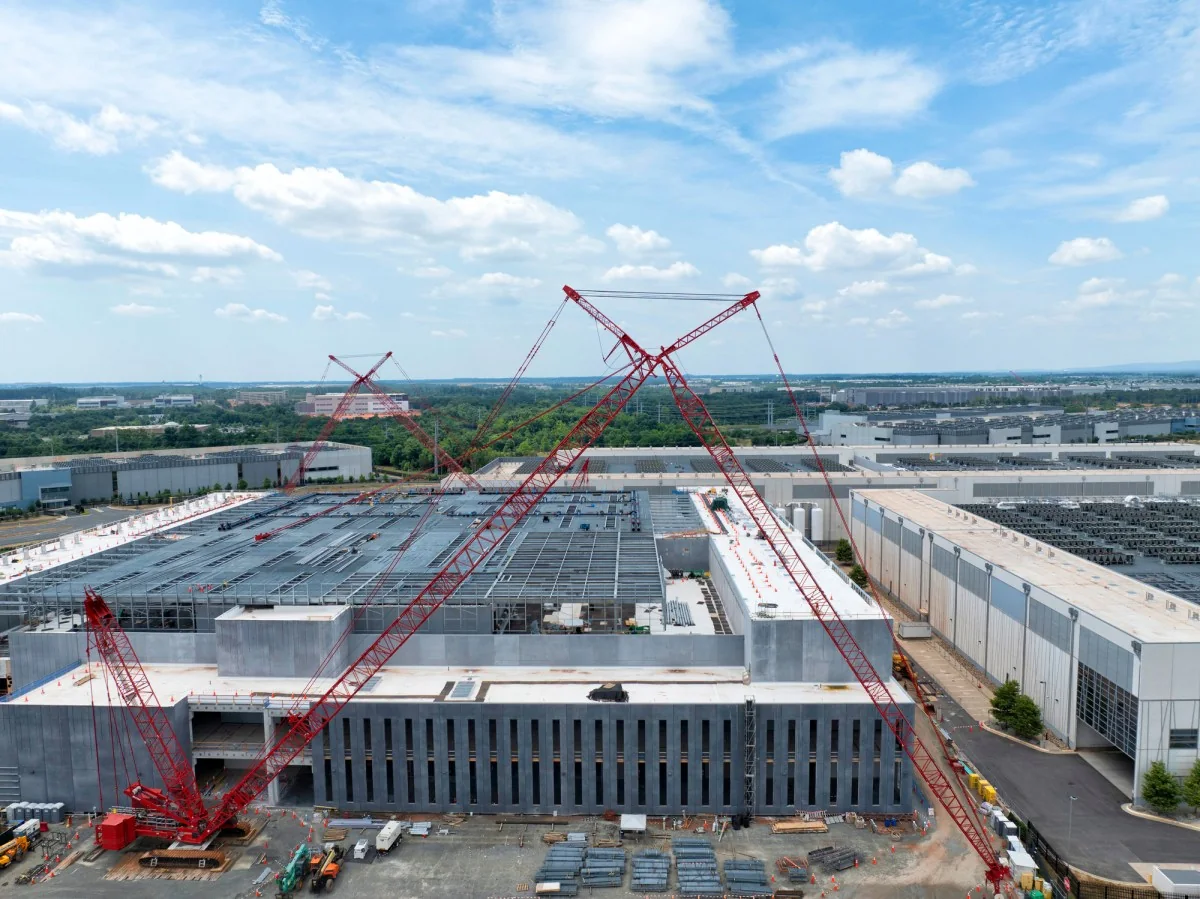
Data centers serve as the visible manifestation of AI, making them a focal point for community resistance. Meta aims to address this by demonstrating the tangible value of both the infrastructure and the underlying technology.
Meta believes it can shift negative sentiment by demonstrating the value of its investments, including the potential for AI to support healthcare and education.
The company emphasizes that the future of AI should be democratized, ensuring that technology remains accessible and transparent to prevent communities from feeling left behind.
Strategies for Community Integration
Meta currently operates data centers across 23 states, with plans for several projects exceeding 1 gigawatt. However, the company acknowledges that future projects will likely face increased scrutiny.
The company is concerned that politicians running on anti-data-center platforms could jeopardize future investment, making the development process more difficult.
Powell McCormick noted that while the process has always been challenging, it is becoming clearer which development models are successful and desired by states.
Communities are increasingly selective, favoring projects that provide direct local benefits.
Successful integration now requires a focus on local benefits, such as funding for teachers and first responders, utilizing local labor, and securing bipartisan support.
Going forward, the company expects data center projects to undergo more rigorous review against constituent preferences.
Monetization and Future Outlook
Meta has pinned its hopes on AI investments, including its consumer AI agent Muse, to serve billions of users. Even if consumer adoption varies, the company believes its compute infrastructure remains valuable.
The company reports consistent demand to lease its built compute capacity, providing a clear path to monetization regardless of specific consumer application success.