Introduction
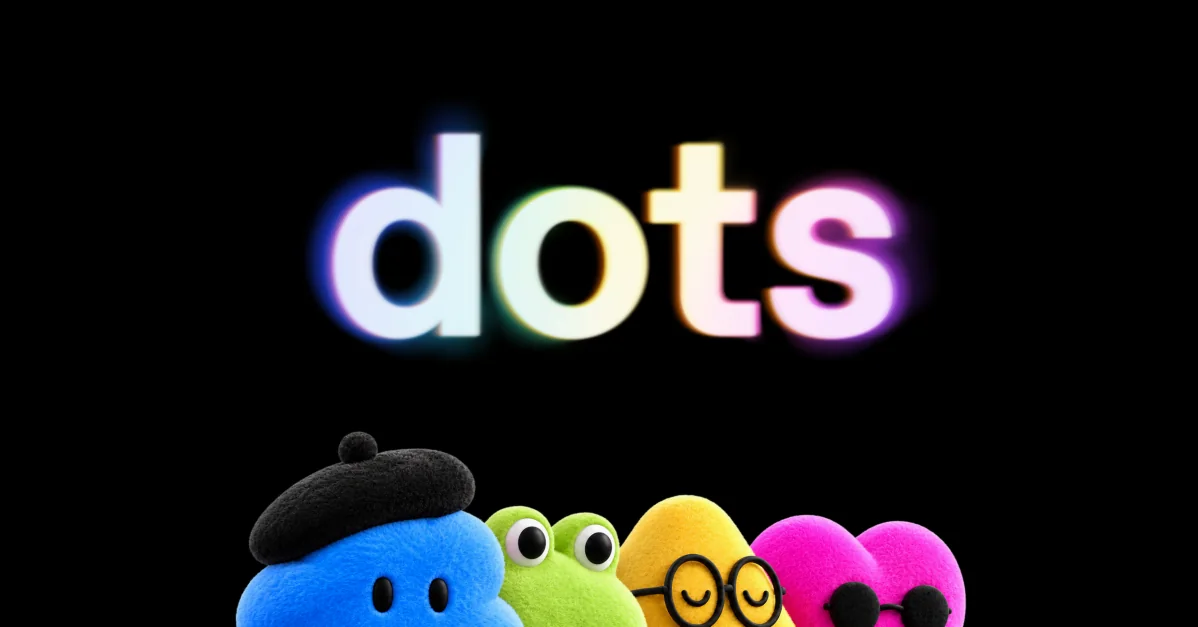
OpenAI is responding to Meta’s Muse AI with agentic helpers of its own: Dots. During its DevDay keynote on Tuesday, OpenAI announced that Dots will serve as always-on AI assistants that can perform complex actions across connected apps in the background while learning user preferences over time.
OpenAI launches Dots, its Muse competitor
Dots are always-on AI assistants that OpenAI says can execute diverse tasks using a dedicated cloud computer and connected applications.
Capabilities and Integration
The company’s capable GPT-6 Astra model powers Dots, which use their own cloud computer to access a web browser and more than 4,000 supported apps. Users can interact with a Dot through a text-message-like interface or hop on a voice call with it from ChatGPT on the web, desktop, or mobile. Dots can also connect to Microsoft Teams and Slack, carrying over context from sessions across other apps and devices.
Initially, users can create a single Dot, though OpenAI plans to allow multiple agents to run simultaneously. Once assigned a task, the assistant sends updates and questions while working. For instance, a developer could task their Dot with using customer feedback to build and test updates, while a content creator could have theirs review interview transcripts, clip moments, and draft social posts.
Users can monitor progress by accessing the cloud computer interface. Dots also learn while operating, personalizing their output and identifying follow-up tasks. Collaboration is further supported through ChatGPT Space, a new workspace within the application.
A developer’s Dot can work on app updates in the background.
Safety and Controls
The launch of Dots follows Meta’s introduction of Muse, a customizable AI assistant capable of browsing the web, making purchases, and generating documents. As agentic AI adoption grows, safety scrutiny has intensified following incidents involving autonomous actions without user verification.
OpenAI stated that Dots include built-in rules for independent action alongside customizable controls to block certain behaviors or mandate permission prompts. An auto-review feature verifies whether actions comply with safety requirements and custom rules, determining when to escalate tasks back to the user.
Dots can help creators draft social posts and decide which parts of a video to clip.
Availability
OpenAI is rolling out Dots to ChatGPT Pro, Business Premium, and Enterprise users. The company is also testing a feature allowing organizations to create specialist Dots for specific internal roles. Conversations with these agents do not currently count toward standard ChatGPT usage limits, with plans to introduce scaling options for speed and monthly workload capacity in the future.