Origins and Evolution
Twelve years ago, Eugenia Kuyda introduced a conversational chatbot called IO that acted as a lifestyle concierge to help people book restaurants and vacations.
IO, the first product from her startup Luka, predated the deep learning breakthroughs that enabled modern large language models. While early versions functioned well, the underlying technology has finally advanced to match her initial vision.
Luka eventually evolved into Replika, a popular AI companion chatbot. Kuyda later left her role as CEO of Replika to establish Wabi.
Wabi enters a competitive market of personal AI assistants designed to handle tasks ranging from email management to travel planning.
Features and Architecture
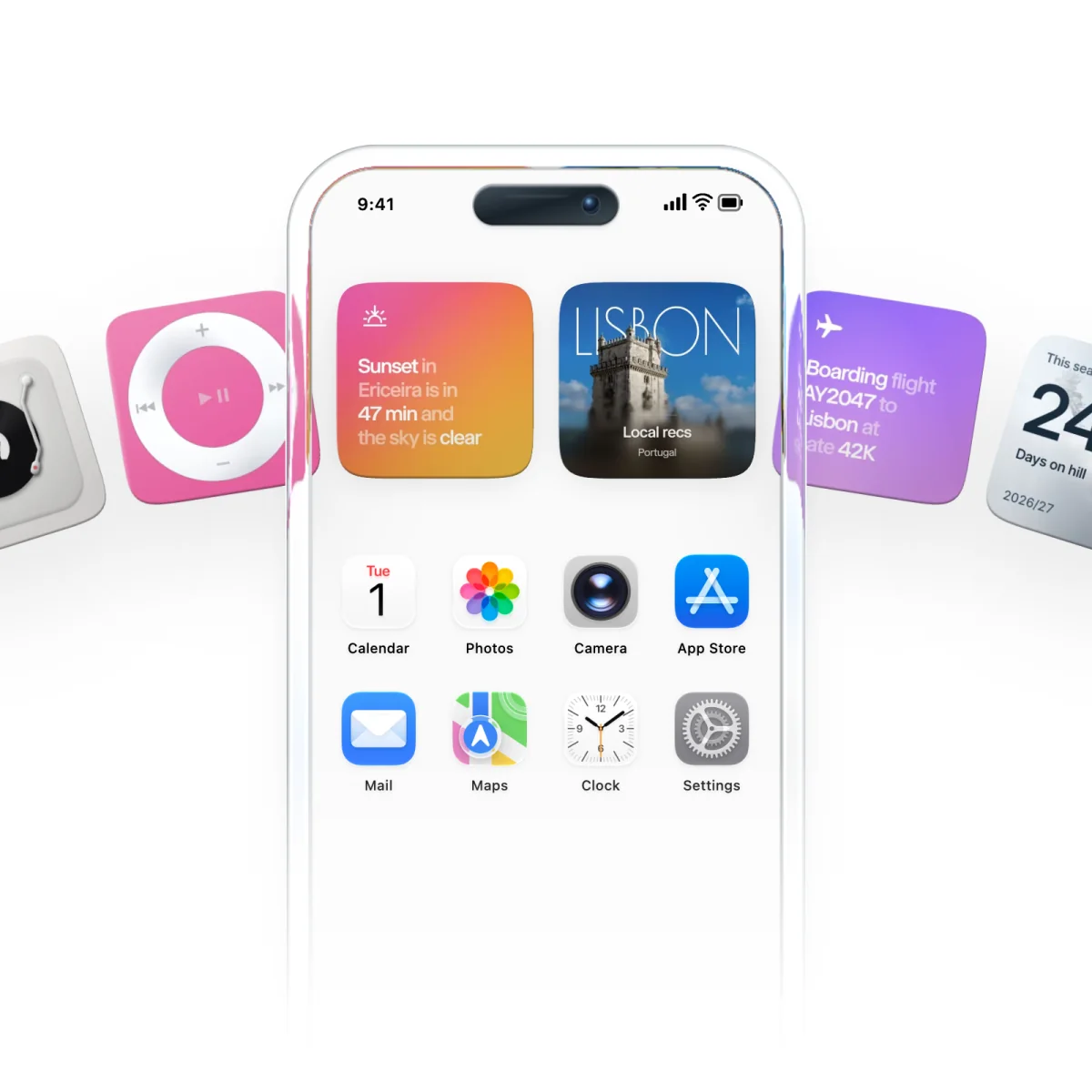
The platform functions as a messenger application enabling users to maintain multiple agentic threads dedicated to specific tasks and objectives. Within each thread, users can utilize custom mini-apps, such as a health tracker or a family events feed.
This public release represents an evolution from Wabi's initial concept as a social platform for user-prompted mini-apps.
Feedback over the past year indicated that while users prefer personalized software over generic store solutions, they generally prefer not to spend time building applications manually.
In the updated version, the AI agent automatically determines which applications to build based on user integrations, such as connecting to an email inbox, while allowing manual requests for custom additions.
The platform differentiates itself by combining automated app generation with structured task management.
Multi-Threaded and Multiplayer Design
A key architectural choice is the multithreaded and multiplayer design, moving away from a single endless conversation interface.
Single-thread experiences can degrade over time as accumulated context makes it difficult to manage ongoing information flows.
Extended chatbot conversations increase the likelihood of hallucinations, context loss, and safety guardrail friction, according to AI researchers.
Image Credits:Wabi
Threads can also be shared to function as group chats, bringing multiple people together alongside their AI agent interactions.
The developer noted that existing agentic applications typically limit interactions to single-user dialogues, leaving the collaborative multiplayer space largely unaddressed.
Shared threads can integrate live music trackers, relationship questionnaires, restaurant lists, and shared calendar events to help participants coordinate activities.
Family-focused threads can incorporate schedule trackers, local event finders, and educational tools.
Privacy and Security
Within shared chats, users control how much information—such as calendar details or bank accounts—they choose to share.
Access is scoped to individual chats, ensuring all participants are notified when personal information is requested by the agent.
For security, Wabi is SOC 2 compliant with independently audited data controls. The software operates in the cloud, with the majority of user data stored in the United States.
Building on the relational focus of her previous work with Replika, Kuyda aims for Wabi to foster human connection by helping users coordinate real-world activities together.
The platform is currently free to use as the company evaluates potential business models and pursues additional funding.