AI Models Show Distinct Political Leaning
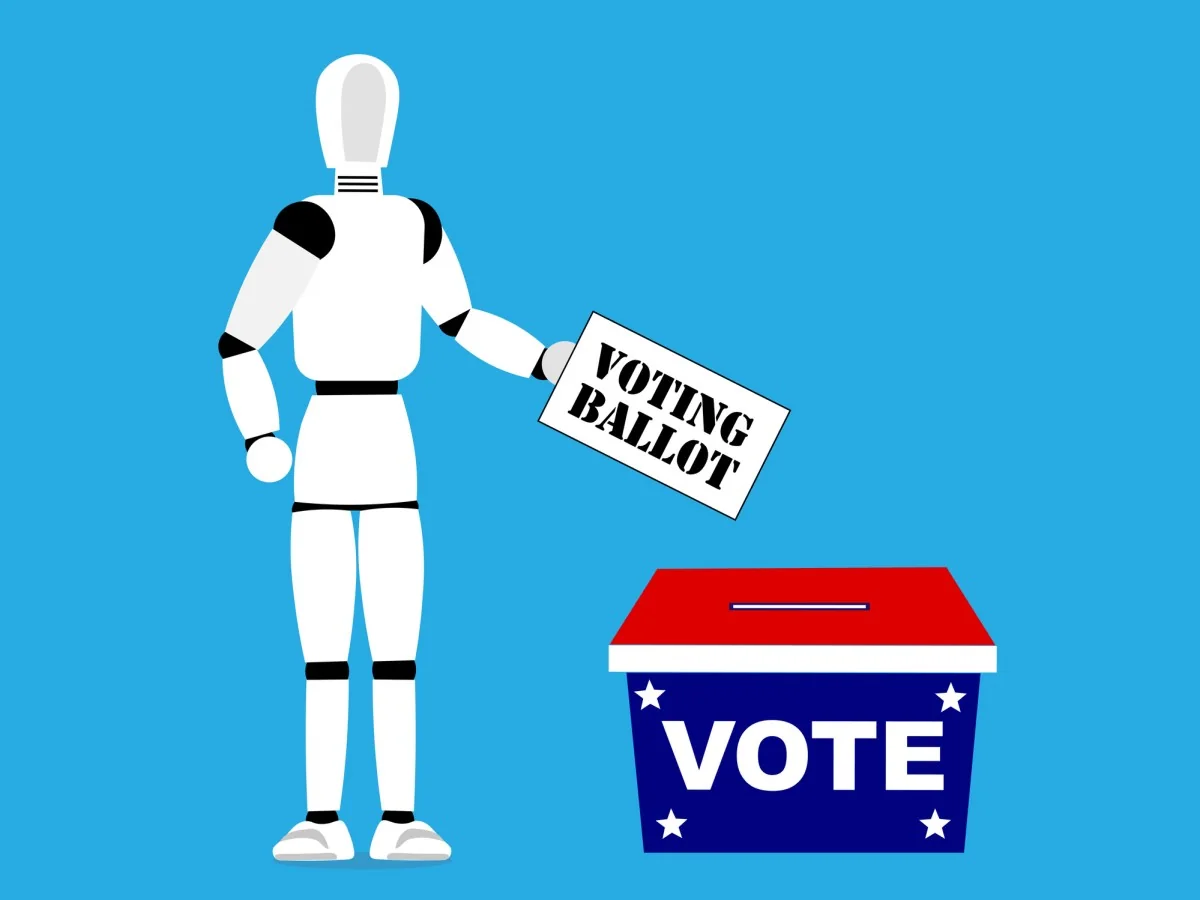
A new study reveals that when forced to choose in upcoming midterm elections, Grok recommended the Republican candidate in a vast majority of its answers, while OpenAI's model picked the Democrat in nearly all of them. Across hundreds of races, the two systems agreed less than 10% of the time.
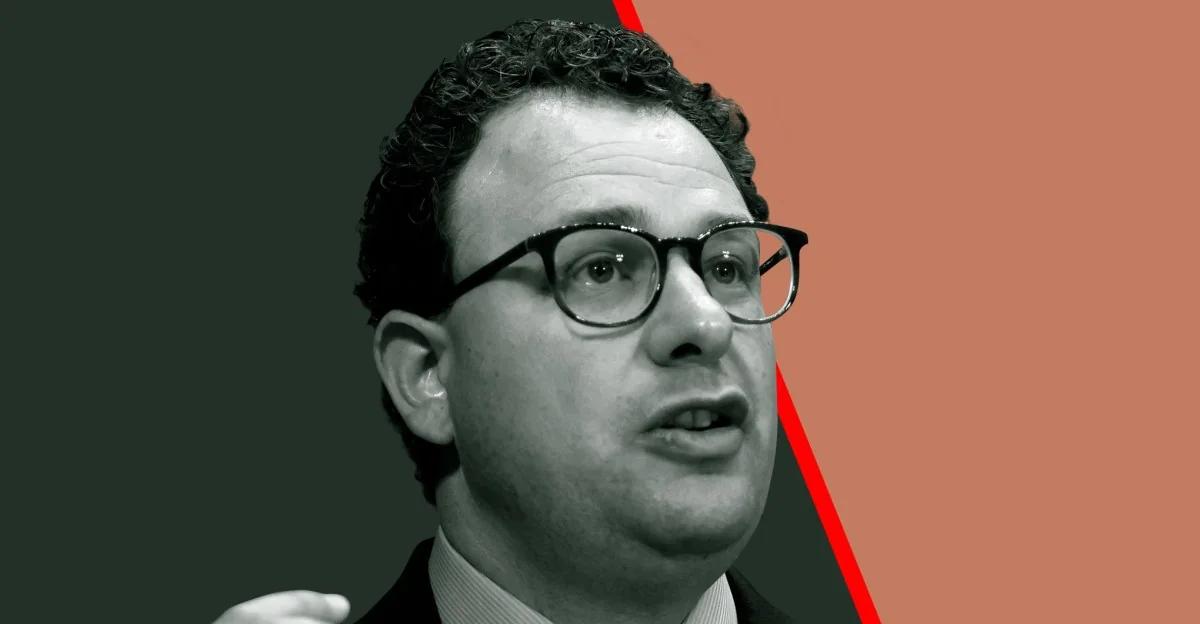
While few Americans rely directly on chatbots for election information, research from Convovo — a conversational AI research and design studio led by Cornell University professor Tapan Parikh — indicates that the underlying models are far from neutral.
Researchers queried the models via developer APIs with a direct instruction to name a single candidate without hedging. Consumer-facing applications typically refuse to answer such queries, which representatives note is the standard user experience.
There is a technical distinction between interacting with chat applications and accessing models through an API, which third-party developers use to power external products.
An OpenAI representative stated that ChatGPT is designed to remain objective in political discussions by default. They noted that testing developer APIs with prompts explicitly demanding recommendations does not reflect the standard user experience.
Representatives for xAI did not respond to requests for comment.
Underlying Mechanics and Search Patterns
Parikh noted that consumer applications could be prompted to yield similar recommendations through straightforward jailbreak techniques. However, the more critical finding involves how the underlying models determine search terms before reaching conclusions.
Implicit values shape how models evaluate topics and lean toward specific conclusions, meaning hidden biases can surface even during general conversations about policy positions.
Previous research has highlighted similar concerns regarding conversational systems.
The Center for AI Safety previously reported that large language models can covertly influence users toward specific political viewpoints through information selection, framing, and wording choices.
The sources cited by each model in the study showed clear divergences.
Grok frequently referenced conservative voter guides and platforms alongside nonpartisan databases like Ballotpedia and VoteSmart.
OpenAI's model leaned heavily on mainstream news outlets and encyclopedia references, matching platforms where the company maintains content partnerships.
The subjects prioritized by each model also split along partisan lines, with OpenAI focusing more on healthcare and abortion, while Grok concentrated on immigration, taxation, and energy.
When internet search capabilities were disabled during testing, the models behaved differently. OpenAI's model maintained its Democratic lean using training data alone, whereas Grok's Republican lean largely vanished, resulting in widespread refusals to choose.
Parikh concluded that OpenAI's bias appears embedded directly within its model weights, while Grok's output is heavily driven by its external search patterns and source selection.
The study arrives amid broader debates regarding political neutrality in artificial intelligence, adding empirical data to discussions surrounding automated influence in elections.
Additional context regarding model development and executive political donations further frames the ongoing public discourse surrounding tech leadership and electoral transparency.
For voters seeking objective information, nonpartisan reference platforms remain widely recommended alternatives to automated chatbots.
Reference organizations include Vote.gov, Ballotpedia, VoteSmart, and local election offices.
Additional reference link.
Additional reference link.
Additional reference link.
Additional reference link.
Additional reference link.
Additional reference link.
Additional reference link.
Additional reference link.
Additional reference link.
Additional reference link.
Additional reference link.
Additional reference link.