The Physical Cost of AI
Massive new data centers are the physical foundation for tech companies’ hopes and dreams for AI. The rush to expand warehouses full of energy-hungry servers has kicked up fights across the world over their impact on power grids, utility bills, nearby communities, and the environment.
Data centers were a major bipartisan issue ahead of the 2026 midterms, and voters largely opposed expansion at the polls. Tech giants like OpenAI and Amazon are promising to work more closely with local communities and cover energy costs, but Democratic leaders are calling for further restrictions and slowdowns that AI companies will have to grapple with.
From heated local battles over buildouts to potential environmental impacts, the rapid expansion of these facilities has become a central challenge for the AI industry.
Regulatory and Environmental Concerns
A massive permitting bill advancing with bipartisan support aims to help energy projects come online quicker, but environmental advocates fear developers could use these reforms to evade public scrutiny. The bill limits environmental reviews and prevents communities from stopping projects in court, raising concerns about the reliance on fossil fuels to meet AI's electricity demands.
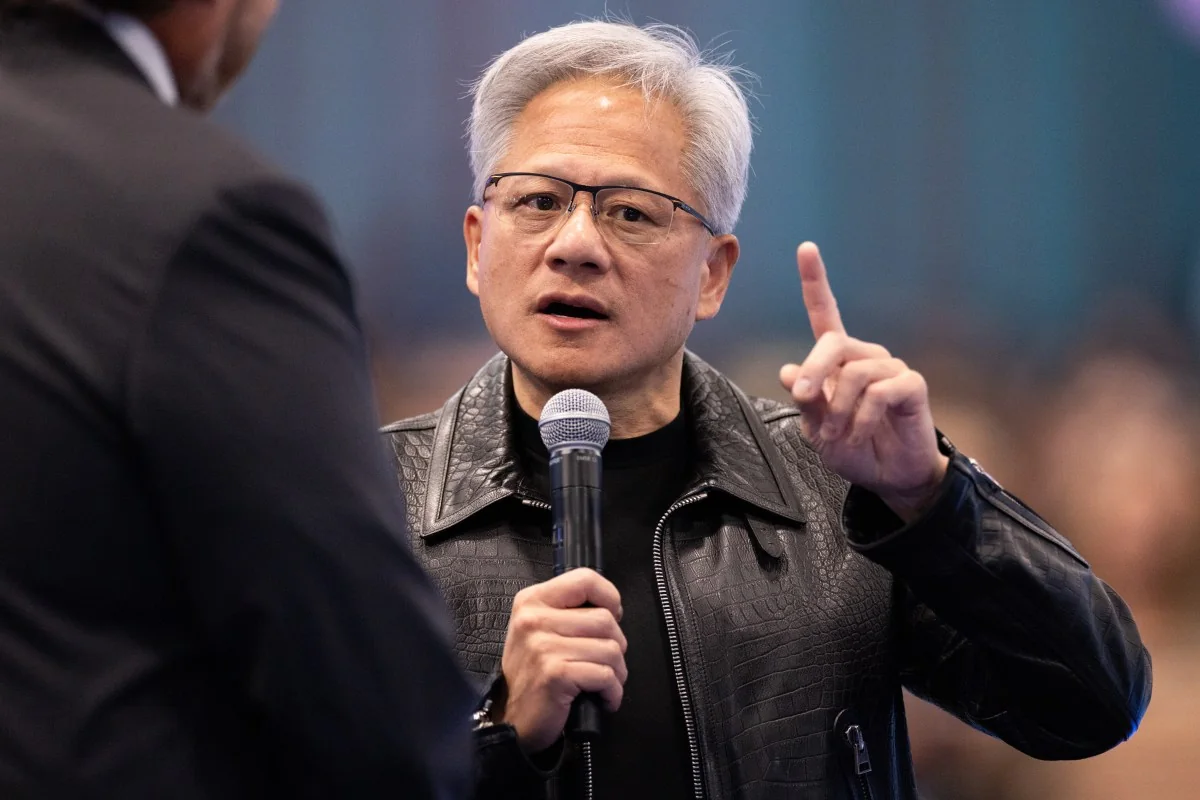
AMD CEO Lisa Su has characterized the company as a "data center first" organization, highlighting the industry's focus on this infrastructure.
Corporate Commitments and Transparency
Following midterm opposition, OpenAI announced new commitments to communities, including a pledge to stop using non-disclosure agreements (NDAs) with public officials. Amazon also announced in October that it would cease using NDAs with government agencies regarding data center projects. These moves follow scrutiny over developers hiding discussions from local residents.
Data center projects continue to face local opposition across the US, with recent controversies in Wisconsin, San Diego, and Utah highlighting the tension between tech expansion and community interests.
Voter Backlash and Political Shifts
Data center developers face a more restrictive environment after voters elected candidates favoring moratoriums and ballot measures. NBC News polling indicated 76 percent of voters opposed data centers in their communities, leading to successful campaigns by politicians who support stricter development oversight.
In Maine, the data center issue became a volatile campaign topic, with the state nearly becoming the first to pause development before a gubernatorial veto.
In Ohio, Democrat Sherrod Brown won a Senate seat against a Republican opponent who had been labeled the "face of data centers," signaling that the industry has become a political liability.
Texas, a state dense with data centers, saw Democratic wins in races where candidates campaigned on moratoriums and ending tax incentives for developers.
Rebranding and Grid Management
OpenAI is attempting to rebrand its facilities as "compute campuses" to mitigate public backlash. The company is also piloting a "Grid Protectors Program" in Georgia, promising to free up 1,000 megawatts of power during emergencies to alleviate grid strain.
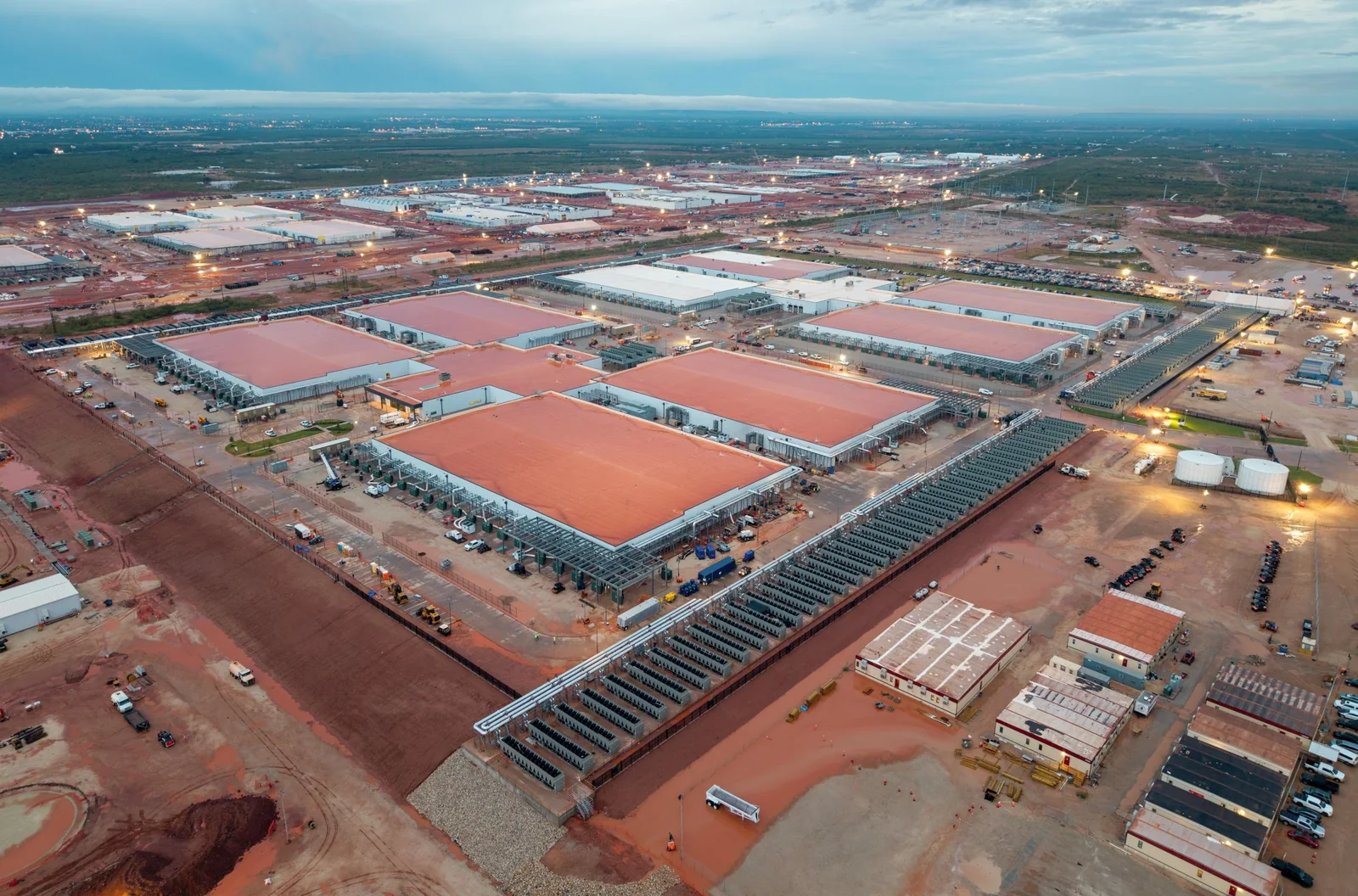
These initiatives come as projects face intense scrutiny for consuming massive amounts of electricity, sometimes exceeding a state's peak demand, often with little input from local residents.
In Florida, the Republican gubernatorial nominee faced significant opposition from voters within his own party due to his vocal support for controversial data center developments.
A California ballot measure, Proposition 45, faces criticism from environmental groups who warn it could allow developers to bypass environmental assessments under the guise of infrastructure acceleration.
Public anxiety over climate impact and water usage has turned data center expansion into a central campaign issue, as seen during debates where audience members confronted candidates over the industry's environmental footprint.
A Sierra Club analysis suggests the US power sector could release 42 percent more carbon dioxide by 2030 to meet data center electricity demand, potentially reversing 15 years of greenhouse gas reductions.
• Photo: Stephen Voss for The Verge
Local municipalities across the country, including in Oregon and California, are increasingly implementing moratoriums or demanding stricter regulations for new data center projects.
In Texas, community opposition has led to recall attempts against local officials and outright bans in cities like San Marcos, reflecting a growing trend of local resistance.
The rapid construction has also created new security risks, with reports of organized criminal groups targeting trucks carrying high-value data center components like servers and fiber-optic cables.
Tech money has flooded political races, with super PACs backed by venture capitalists and AI companies spending tens of millions to influence policy and support candidates, further intensifying the political debate.
Anthropic’s recent SEC filing highlighted the industry's reliance on natural gas, noting that data centers are vulnerable to rising fuel costs and supply chain constraints, while also acknowledging that climate change increases operating costs.
The construction boom has created unexpected economic winners, such as manufacturers of concrete, steel, and paint, as data centers continue to expand their physical footprint.
Texas remains a focal point for the industry, where the demand for electricity threatens to increase air pollution levels significantly depending on whether developers utilize gas turbines or renewable energy.
Recent regulatory actions in Marana, Arizona, and Milwaukee, Wisconsin, underscore the ongoing struggle between local governments and data center developers.
Political figures have proposed "dividends" or financial deals to make data centers more palatable to local communities, mirroring strategies used by companies like Meta to secure project approvals.
Despite a announced permitting pause in Texas, advocacy groups report that state agencies continue to process permits for data center projects, highlighting the disconnect between official policy and ongoing development.