The Infrastructure Boom
Frontier AI labs are convinced that scaling up computation is the path to improving artificial intelligence, and they’ve put their money where their mouths are, to the tune of trillions of dollars of planned data center projects.
Surveys of public opinion indicate that more than 60% of Americans favor limiting new data centers, particularly in their communities, with sentiment growing rapidly. Data center projects worth $68 billion were disrupted by local opponents in the second quarter of 2026, according to industry trackers.
AI companies and their investors face challenges reconciling the growing demand for their products with opposition to the underlying infrastructure. Some industry explanations, such as attributing opposition to foreign meddling, have failed to resonate with the public.
Local Insights and History
A report from the nonprofit Data & Society offers a detailed look at what is driving opposition to data centers. Based on 18 months of ethnographic fieldwork interviewing 44 Pennsylvanians between 2024 and 2026, the study examines how people experience the debate over data center construction.
Researchers noted that the research helps pierce the bubble of AI hype, allowing people to process the dissonance between claims of an inevitable industrial revolution and underlying fears about the technology.
Initial pitches focused heavily on economic development, with officials previously celebrating massive infrastructure investments. However, regulatory frameworks have since shifted to impose stricter requirements on new data center developments.
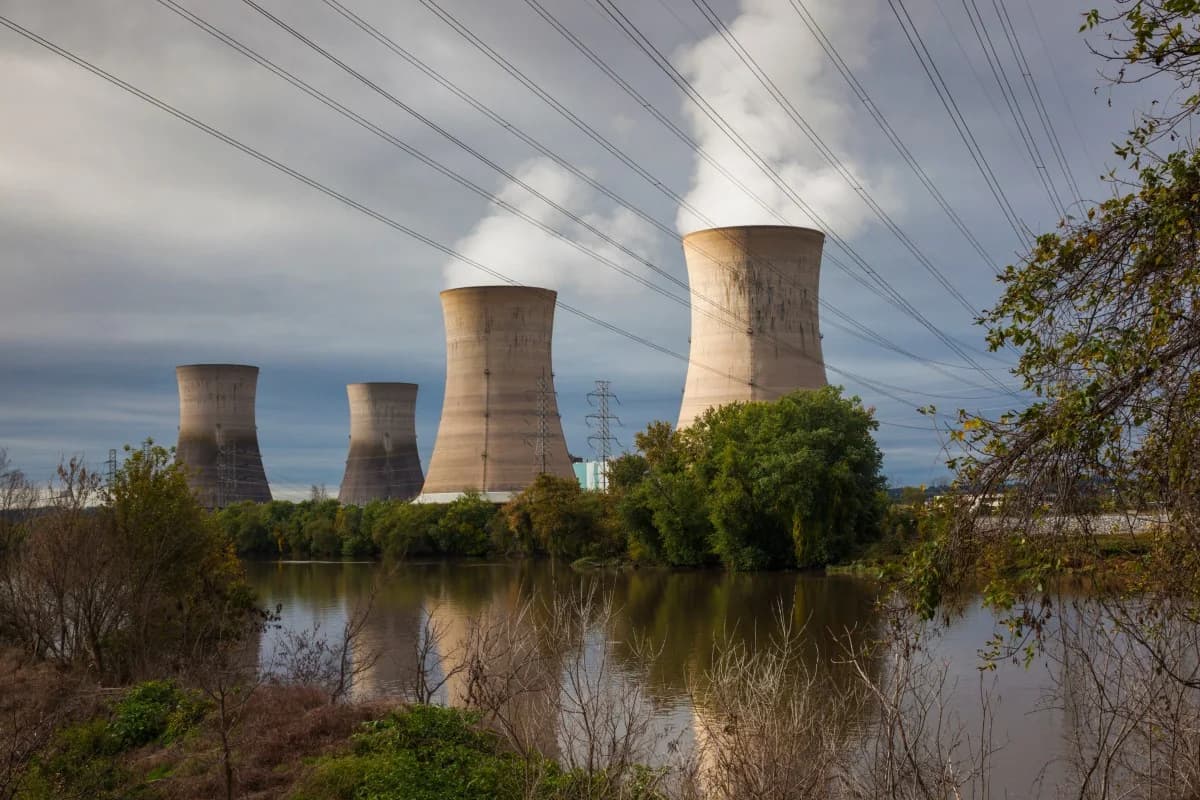
The industry message that AI expansion is inevitable has landed poorly with residents familiar with historical waves of industrialization, including coal mining, oil, steel manufacturing, and fracking, which have left communities skeptical of utopian industrial schemes.
Residents in regions with deep lineages of industrial change tend to scrutinize large-scale development proposals closely when local impacts feel mismanaged.
Trade unions often remain a primary source of support for data center projects due to construction employment opportunities, viewing them as a way to support local labor ranks despite long-term operational facilities employing fewer workers.
Lobbying and Grassroots Resistance
In response to industry concerns regarding outside influence, researchers highlight significant lobbying and promotional campaigns by trade groups aiming to bolster public support for upcoming infrastructure projects.
Despite promotional efforts, resistance has grown across diverse demographics. Opposition frequently unites traditional local preservationists, environmental groups concerned with water usage and emissions, and citizens wary of large corporate tech interests.
Economic and Trust Concerns
Material interests remain a primary driver of local pushback. Residents express concern over potential increases in electrical utility bills, declining property values, and developer tactics such as requesting non-disclosure agreements from local officials.
Community members frequently track local town hall meetings closely, noting when major technology representatives engage with local councils on infrastructure proposals.
This diverse patchwork of motivations makes anti-data center activism challenging for the AI industry to address, as the core issue often centers on a broader deficit of public trust.
Researchers emphasize that the friction stems from the complex intersection of intimate consumer technologies and large-scale industrial extraction entering everyday communities.