Reviving Discarded Laptops
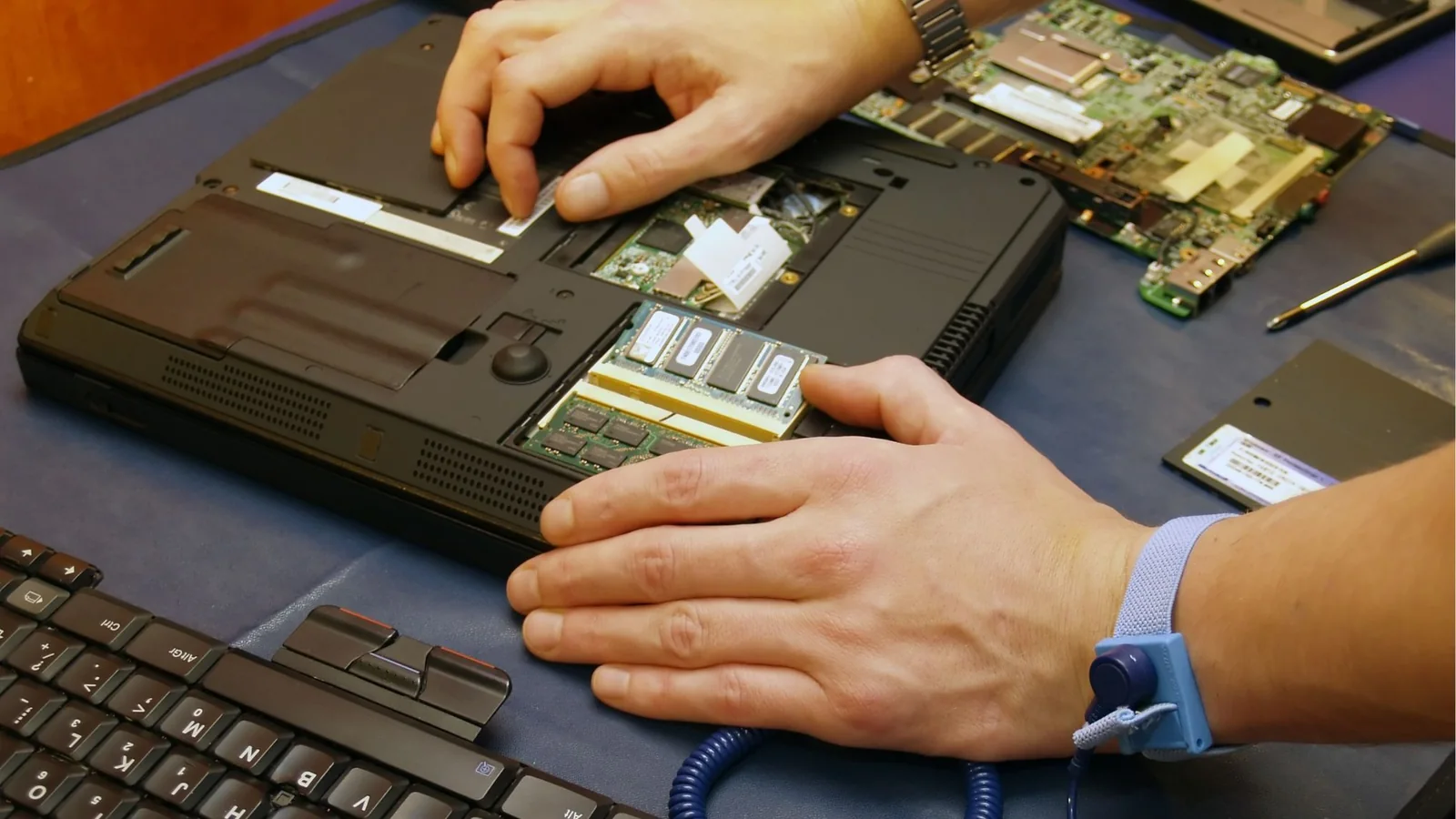
A hardware tutorial has highlighted how technicians and hobbyists can acquire inexpensive Lenovo ThinkPads and save them from becoming electronic waste by using a simple BIOS unlock technique requiring only a $10 programmer and a secondary computer.
The documented workflow explains how to bypass locked ThinkPads equipped with Intel 4th- through 8th-generation processors by using an affordable CH341A programmer to read, write, erase, and save EEPROM and SPI flash memory.
The Origin of Supervisor Locks
Corporate environments frequently assign supervisor passwords to company-issued laptops as a standard security precaution. When these machines are retired or sold off without their storage drives, the supervisor credentials are rarely documented, leaving the systems permanently locked and destined for disposal. Initial workarounds surfaced when developer Victor Voinea shared early ThinkPad supervisor removal exploits.
Community Exploits and Research
While early methods relied on paid services for generated keys, community members later published free bypass techniques. Ethical hacker Mark Juvan subsequently reverse-engineered these exploits as part of a cybersecurity master’s thesis at Radboud University in the Netherlands, providing deep technical documentation on the vulnerability.
The Flashing Procedure
The procedure begins by extracting the BIOS image directly from the motherboard's EEPROM chip using the CH341A hardware programmer connected to a secondary PC. Specialized software utilities then dump the BIOS data and apply an automated patching workflow derived from open-source research.
Clearing the Embedded Controller
Once the modified BIOS file is flashed back onto the EEPROM chip, booting the laptop allows users to execute a short sequence of keystrokes that clears the security data stored inside the separate Embedded Controller IC. Flashing the original BIOS back onto the chip leaves the system fully unlocked and functional.
According to academic research, the exploit succeeds by leveraging weaknesses in Lenovo's firmware validation mechanisms and driver architecture. Specifically, the included EmulatedEepromDxe driver permits read and write access to regions where supervisor credentials are inadvertently treated as standard EEPROM storage.
Thanks to the electronics repair community, unlocking older ThinkPads now requires minimal hardware investment and straightforward steps. While the current method is limited to models running Intel 4th- through 8th-gen CPUs, increased attention may encourage further research into newer generations.