The $4,700 Network Switch
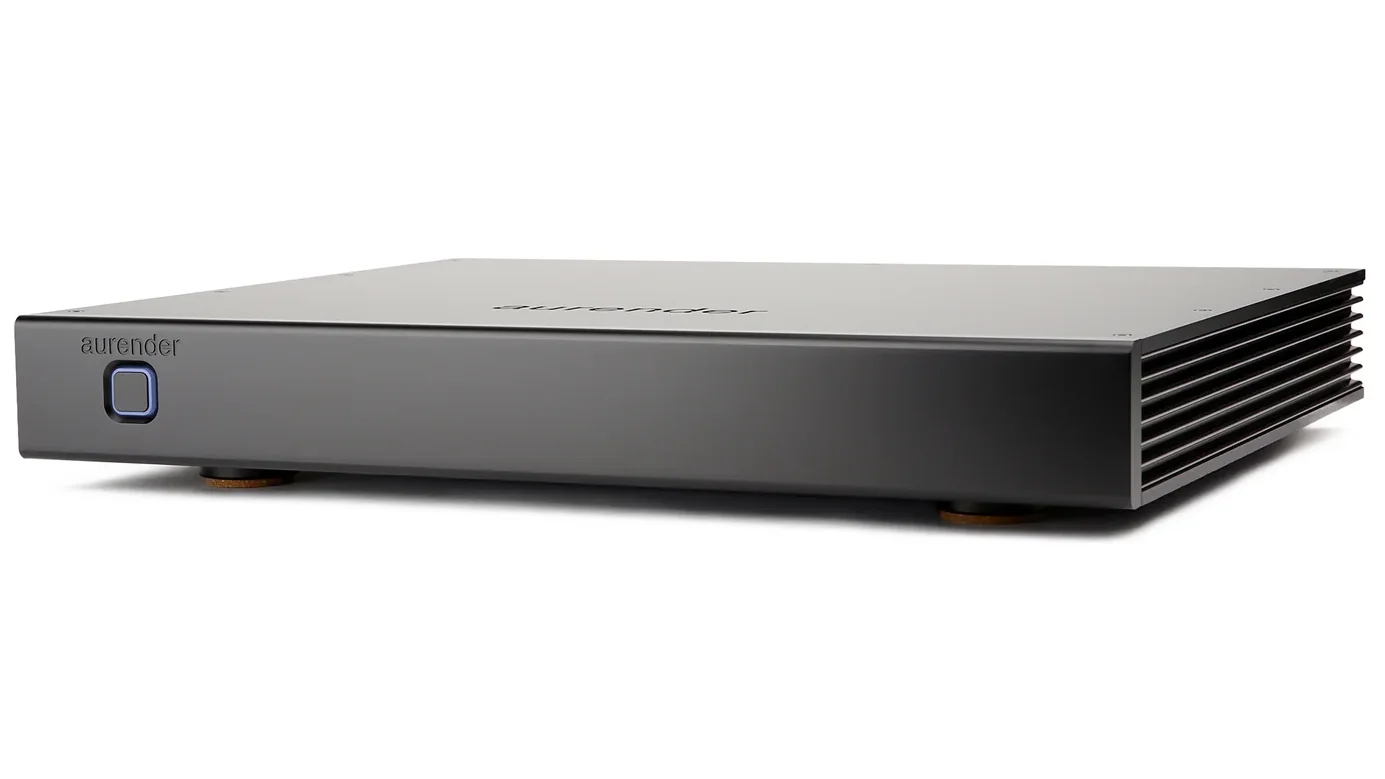
The eternal seekers of audiophile-grade gear keep coming up with novel ways to attribute sonic characteristics to digital equipment. One of the latest examples is the Aurender NH10 Network Hub, which comes in at a price of $4,700.
This piece of hardware comes fitted with eight gigabit ports. Six of those are standard copper inputs, while the other two are SFP ports where users can plug in a transceiver for either fiber or copper. The product page notes that a fiber connection provides electrical isolation, though the hardware lacks 10 GbE capabilities.
Four of the six copper ports on the switch feature seven electrical filtering stages, while the remaining pair includes two. According to reports, the designer experimented with using over 10 stages before settling on seven based on listening comparisons, despite the Ethernet standard already mandating electrical isolation for standard twisted-pair connections.
Hardware and Components
The device utilizes an Oven-Controlled Crystal Oscillator controlled by an FPGA for clock synchronization, alongside a BNC input for an external source. Component inspection reveals a Realtek RT8370N switch controller, an MV85 oscillator, and an AMD/Xilinx Spartan 6 FPGA, bringing total raw component costs far below the $4,700 retail price.
From a technical standpoint, standard networking hardware cannot alter digital sound reproduction. TCP connections rely on built-in error correction, and the Ethernet protocol incorporates Cyclic Redundancy Check to ensure data integrity before it reaches conversion stages.
Electrical isolation of the analog output stage is handled by playback equipment rather than network switches. Modern audio interfaces already feature signal-to-noise ratios that exceed historical recording studio requirements.
Jitter and Real-World Practice
Similarly, discussions regarding jitter synchronization are largely irrelevant to network-level streaming playback. While clock synchronization is necessary across multiple hardware devices in a professional recording studio environment, it has no functional impact on standard home network switches.
Despite these technical realities, specialized high-end equipment continues to find a market among enthusiasts, contrasting sharply with the standard, utilitarian cabling frequently utilized in professional recording studios.