Export Controls and Allegations
SemiAnalysis head Dylan Patel has discovered that China-based Puzhi Electronic Technology is crowdfunding development of a system based on AMD's Zynq UltraScale+ XCZU47DR RFSoC, a U.S. export-controlled dual-use component. Patel called for a government investigation into AMD, while AMD denied selling or shipping the chips directly into the restricted region and stated that it investigates suspected cases of illegal diversion.
Patel highlighted a significant discrepancy between U.S. pricing and the figures quoted in China for the hardware. AMD faces questions regarding the distribution channels that allowed these dual-use components to reach entities in the restricted region.
AMD denies any wrongdoing and maintains that it investigates suspected diversion cases to determine whether any violation of law has occurred.
Company Response and Compliance
An AMD spokesperson stated that the company is committed to full compliance with global export regulations and enforces a clear policy requiring distributors, resellers, and customers to do the same. The company noted that any shipment into restricted regions violates its policy and that the recent instance is unrelated to direct AMD sales.
Chip Capabilities and Applications
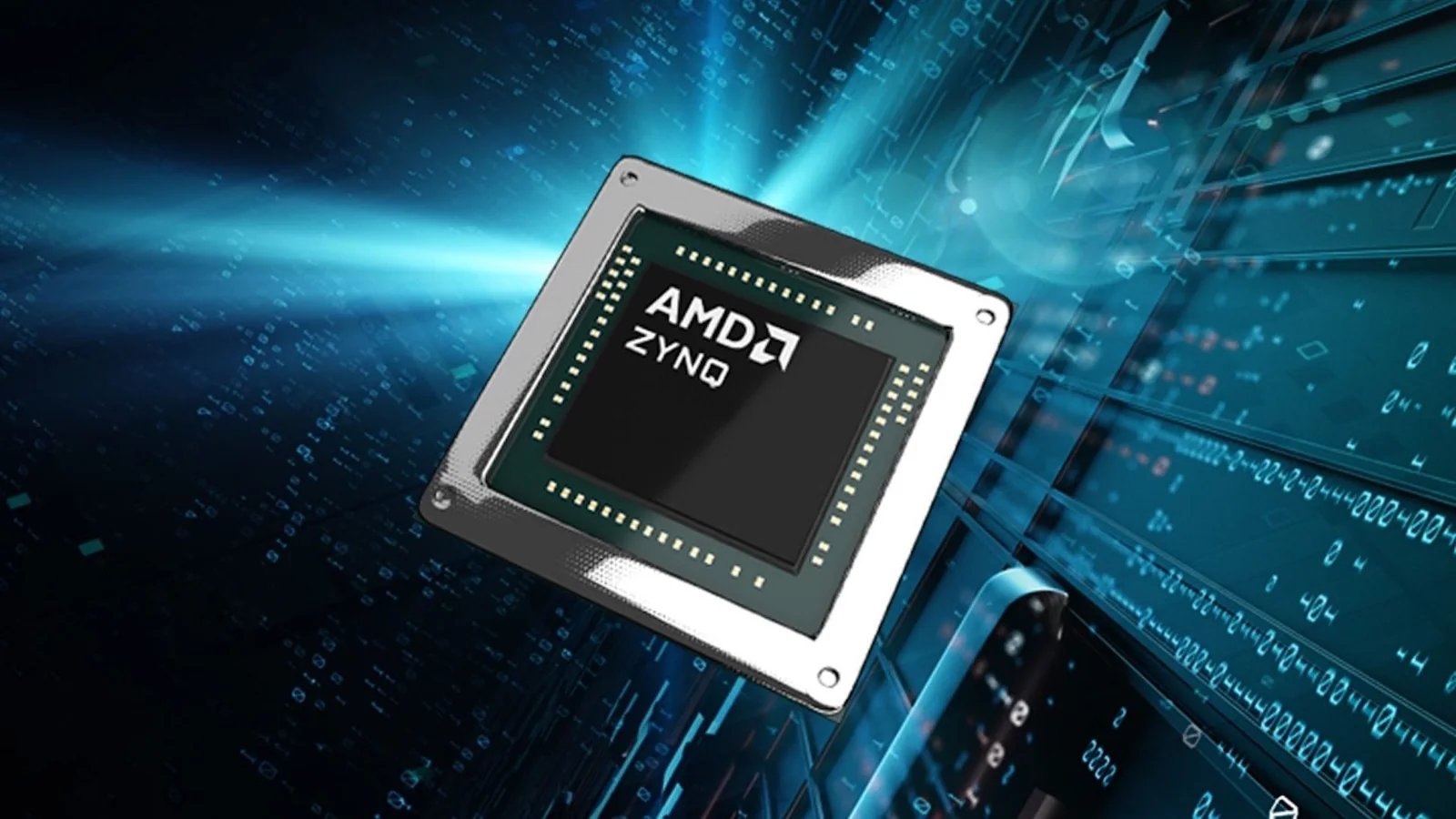
AMD's Zynq UltraScale+ XCZU47DR RFSoCs integrate four general-purpose Arm cores, two Cortex-R5F real-time cores, an FPGA with 930,000 gates, DSP engines, and high-speed data converters to process radio frequency signals in real time. These devices are typically used for software-defined radios, radar systems, and wireless communications. While the XCZU47DR is aimed at civil and industrial applications, the hardware functions as a dual-use component.
Licensing and Distribution Challenges
The XCZU47DR features a 3A001.a.14 ECCN classification under the U.S. Commerce Control List, meaning its export to non-allied destinations requires a license. While shipments directly to China face stringent restrictions, license exceptions for Group B countries can create pathways through which goods may be re-exported.
Pricing and Sourcing Complexity
The exact origin of the components utilized by Puzhi remains difficult to trace given the complexity of global supply chains and secondary markets, particularly since the reported figures are based on analyst estimates rather than public retail pricing.
Xilinx, later acquired by AMD, introduced the 3rd Generation Zynq UltraScale+ RFSoC family in February 2019, with devices reaching production status in 2020. Having been on the market for years and distributed to numerous companies worldwide, identifying the specific supply chain path for individual units presents significant challenges.
Lead times for the XCZU47DR at major distributors indicate sustained high demand for the components across the United States and Europe, complicating efforts to monitor inventory flows.