Surging Demand for 2029 and 2030 Orders
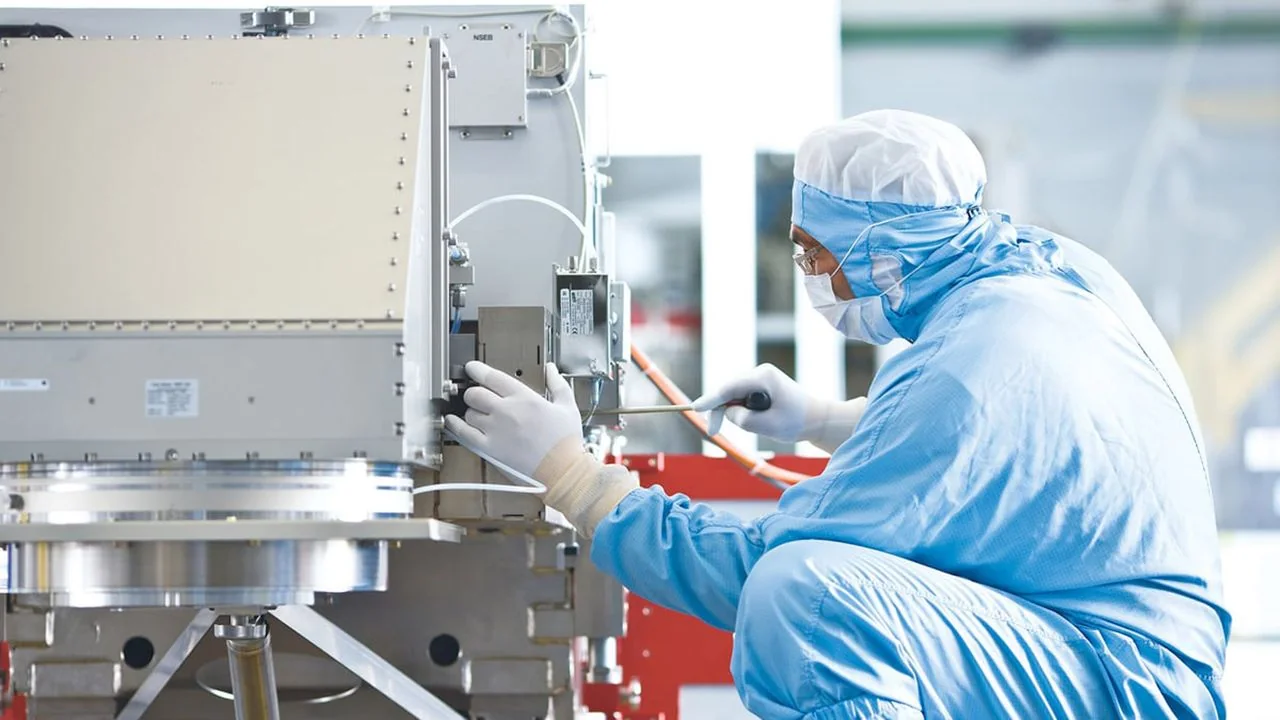
ASML has stated that the unprecedented spending and investment brought about by the artificial intelligence boom is not slowing down, as customers are lining up to place orders for advanced chipmaking tools for 2029 and 2030. ASML CEO Christophe Fouquet said that the company would struggle to meet demand despite plans announced in July to raise capacity by 30% in 2027 and another 30% in 2028. The company also confirmed that it will raise prices starting in 2027, with the full effect showing in 2028.
Strong Q3 2026 Financial Results
The company's comments follow its Q3 2026 earnings report, which detailed a net profit of €4.96 billion on net sales of €11.7 billion. It projects Q4 sales of €14.2 billion to €15.2 billion, boosting its full-year sales projections from at least €43 billion to €44-45 billion. ASML's shares rose 2% following the report, up almost 70% for the year, with its €586 billion market valuation making it Europe's largest firm by market cap.
Sustained Infrastructure Spending
Industry analysts note that positive projections from the largest manufacturer of tools for making AI chips and advanced semiconductors signal that chipmakers will keep expanding, sustaining demand across the AI industry. Market strategists point out that demand for chips remains strong and infrastructure spending is expected to continue well into 2027, alleviating earlier concerns that the AI market was losing steam.
Major Semiconductor Customer Expansion
ASML's customers include major logic chip manufacturers such as Samsung, Intel, and TSMC, alongside memory makers SK Hynix and Micron, all of whom are heavily investing in increased production. Additionally, CFO Roger Dassen noted that the company is evaluating the exact size of the opportunity presented by Elon Musk's planned semiconductor manufacturing facility, which aims to receive its first EUV chipmaking tool in mid-2027.
Broad Industry Capital Expenditure
ASML's order book reflects a massive wave of capital expenditure across the technology sector. Major tech firms have substantially raised their spending guidance for hardware infrastructure, driven partly by rising component and memory chip costs. Analysts expect global artificial intelligence spending to continue growing significantly year-over-year as data centers scale up to support advanced workloads.



