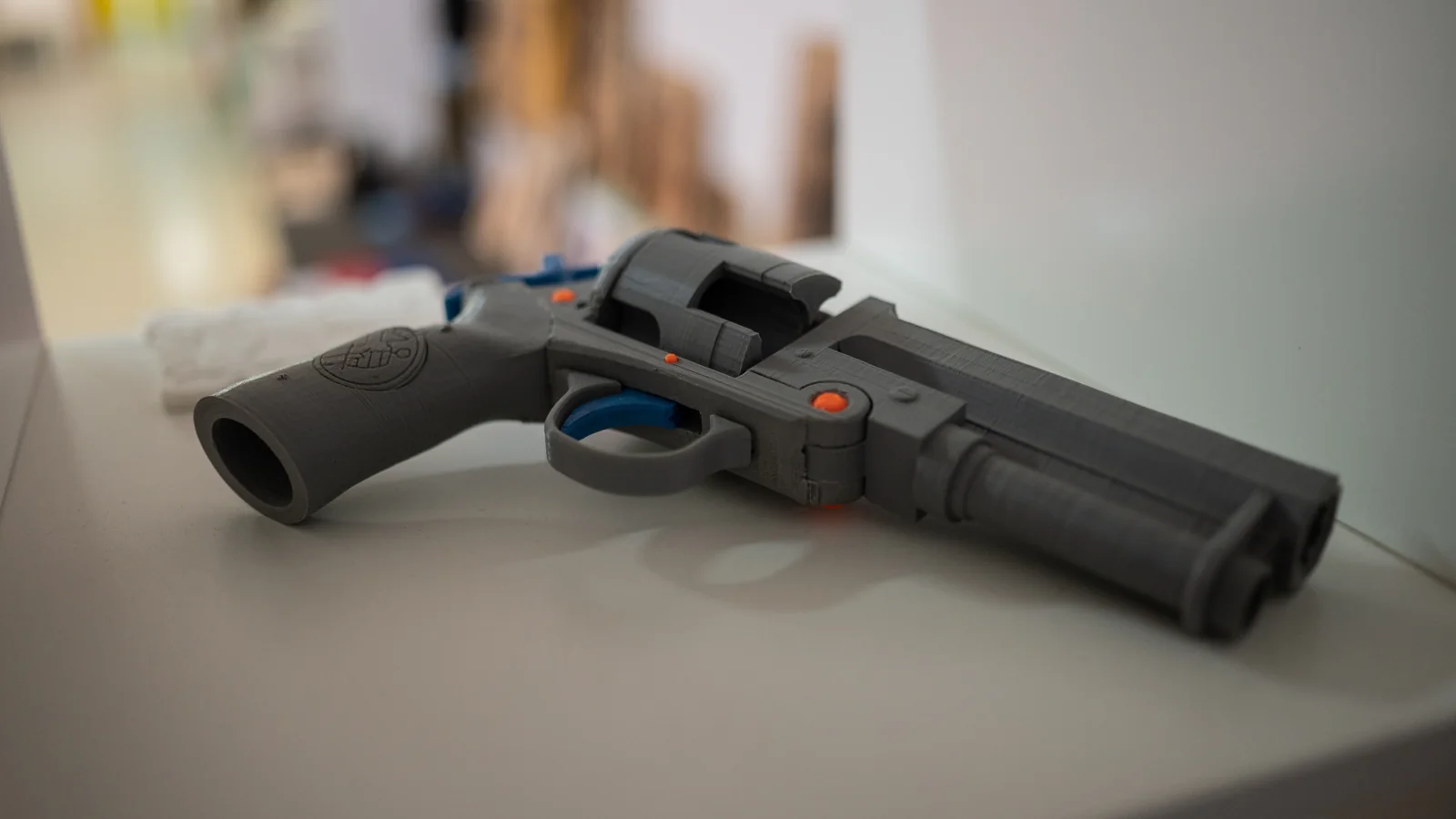
California is taking legal action regarding 3D-printed ghost guns, targeting one of the world's major 3D printing filament manufacturers. Polymaker LLC, headquartered in Shanghai with U.S. operations based in Houston, was named in a civil lawsuit filed October 5, 2026, by San Diego County Counsel on behalf of the State of California. The complaint alleges that Polymaker marketed its filament to appeal to gun enthusiasts, turning standard PLA into a regulated firearm precursor part.
Legal Definitions and Claims
Under California law, a firearm precursor part is defined to include any article marketed or sold to the public to become or be used as the frame or receiver of a functional firearm once completed, assembled, or converted. The County seeks disgorgement of profits, civil penalties, and injunctive relief through the San Diego County Superior Court.
While 3D printing filament itself remains legal, prosecutors argue that Polymaker actively cultivated the ghost gun community by supporting and subsequently hiring Sean Aranda, known online as The 3D Print General. Aranda was banned from YouTube in 2023 over firearm policy violations. Polymaker, which had previously sponsored his channel with a special edition creator spool of khaki-colored PLA Pro, offered him a role that eventually led to his current position as a Senior Technical Account Manager.
Aranda is referenced numerous times in the complaint. The prosecution argues that his hiring was specifically tied to his connection within the 3D-printed gun community rather than standard hiring practices.
Affiliate Marketing and Industry Implications
The lawsuit also targets standard creator marketing practices, specifically the use of affiliate links. Prosecutors attempt to link standard online creator promotions to the distribution of ghost guns, noting how creators earn a percentage of sales when audience members purchase products using their unique referral links.
Polymaker maintains an open affiliate application process for creators across various platforms, requiring basic user details without filtering for specific content types or audience sizes.
Brought forward by San Diego County’s Consumer Fairness and Public Protection Division, the lawsuit could carry broader implications for raw material suppliers, software developers, and hardware manufacturers if a regional liability precedent is established.



