Domestic Shortage and Hardware Demand
Chinese tech companies have bought more than 1 million Nvidia gaming and workstation GPUs to plug gaps in demand for AI computing power, according to reports. Industry insiders claim the buying spree highlights an ongoing and significant reliance on U.S. AI hardware, despite a burgeoning homegrown market.
China's national strategy for developing AI has led to a doubling of domestic AI chip production; however, the country cannot keep up with demand from its biggest tech companies. Estimates point to a shortfall of nearly 1.5 million chips, with only 3.5 million expected to be manufactured domestically while demand exceeds 5 million. To compensate, China is turning to Nvidia's gaming and workstation processors, which are compliant with export controls, repurposing them for AI.
Hardware Deployment and Workloads
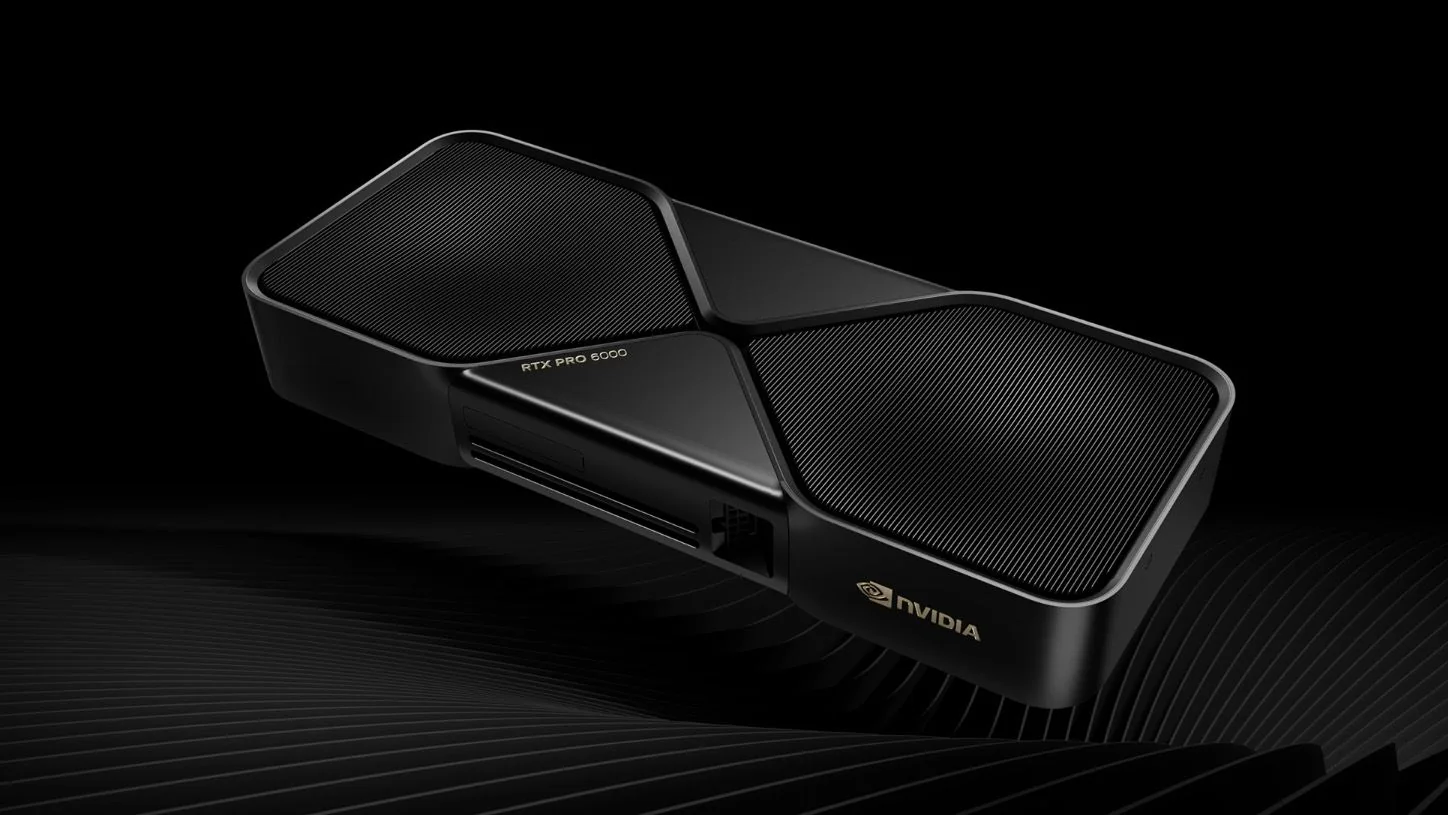
The acquired chips consist largely of Nvidia's RTX Pro 6000D, RTX Pro 5000, and the RTX 5090. While these Blackwell chips do not match the performance of Huawei's Ascend 910C and other homegrown flagship offerings, they remain useful for simpler AI workloads, such as prefilling.
Market Impact and Pricing Pressure
This massive demand places significant pressure on a GPU market where prices for enthusiast cards have surged. While the RTX 5090 carries an MSRP of $1,999, the card has largely disappeared from standard retail channels and appears at select third-party resellers for upwards of $7,199.
Demand for Nvidia's hardware is driven in part by its CUDA software ecosystem, which developers continue to favor over Huawei's Cann alternative.
Meanwhile, reports indicate that Nvidia has adjusted its production plans for enthusiast graphics cards, creating a complex landscape for consumer hardware availability.



