Overview of Mausstudio
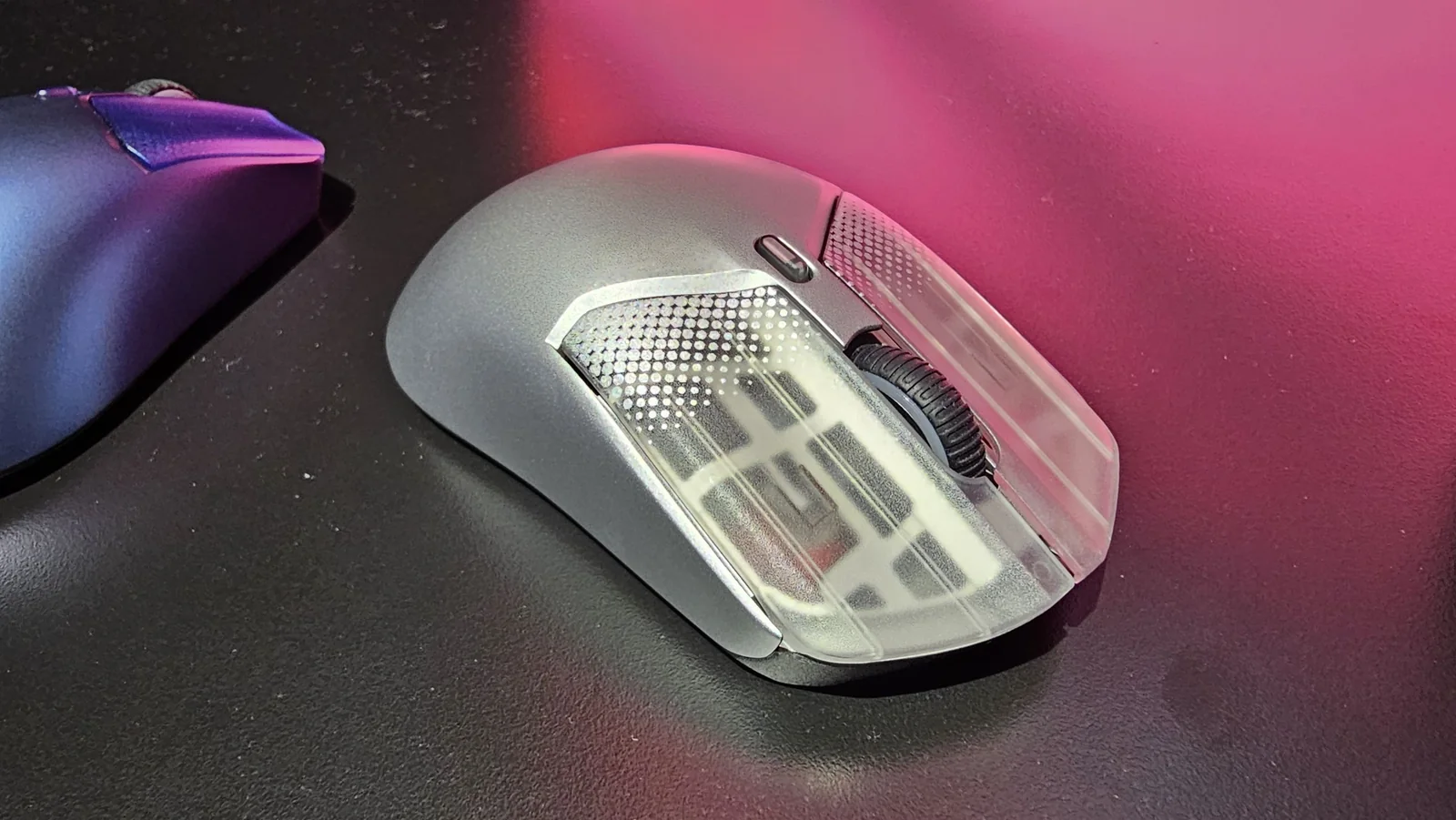
Bastian Recha, known online as Unskilledcast, is a German former CS:GO commentator, tech reviewer, and 3D printing enthusiast. He posted a demonstration of his Mausstudio project, a utility that generates a customizable mouse shell around an imported 3D model of a mouse printed circuit board. The software runs entirely locally and does not utilize generative AI.
The developer shared a video previewing the software and highlighting the various ways users can manipulate mouse geometry and dimensions for personal builds.
This is why I’ve been a little quiet on social media lately. Meet mausstudio. Import your mouse PCB as an STL and start designing your own mouse shape. The tool runs locally, using maths and algorithms. No AI involved in generating the geometry. Still a work in progress. https://t.co/UpO3YvfNGlOctober 27, 2026
How the Generator Works
Mausstudio imports an STL 3D file of a mouse printed circuit board, such as those from the Razer Viper V2 Pro and Zaunkoenig M2K. From there, the software automatically detects the positions of key components including button switches, the optical sensor, the scroll wheel, and screw holes. It then builds a shell around these elements, adding stems to reach the switches, cutouts for the scroll wheel, side button housings, and base openings for the sensor.
Customization Options
Users can adjust the overall width, length, and height of the peripheral, as well as the positioning of the main palm hump. Additional design choices include weight-saving cutouts on the upper and lower chassis, or a fully enclosed housing. The software also features a dedicated battery shelf option, letting builders specify dimensions and placement rather than relying on adhesives like double-sided tape or hot glue.
The utility processes everything locally using algorithms rather than neural networks or generative AI tools.
Future Updates and Release Outlook
A definitive release date and pricing model have not yet been announced. Subsequent development updates have introduced editable component assignments, expanded side button controls, shell design saving for cross-PCB use, and cleaner generated geometry. Compatibility with split printed circuit board layouts, such as those found in the Logitech G Pro X Superlight, remains under evaluation for future releases.
The project aims to lower the barrier for enthusiasts seeking an ideal mouse shape without purchasing multiple retail devices or requiring advanced CAD modeling skills. Further evaluation will depend on the software's eventual public release and subsequent feature maturity.