Humanist Exemption Granted
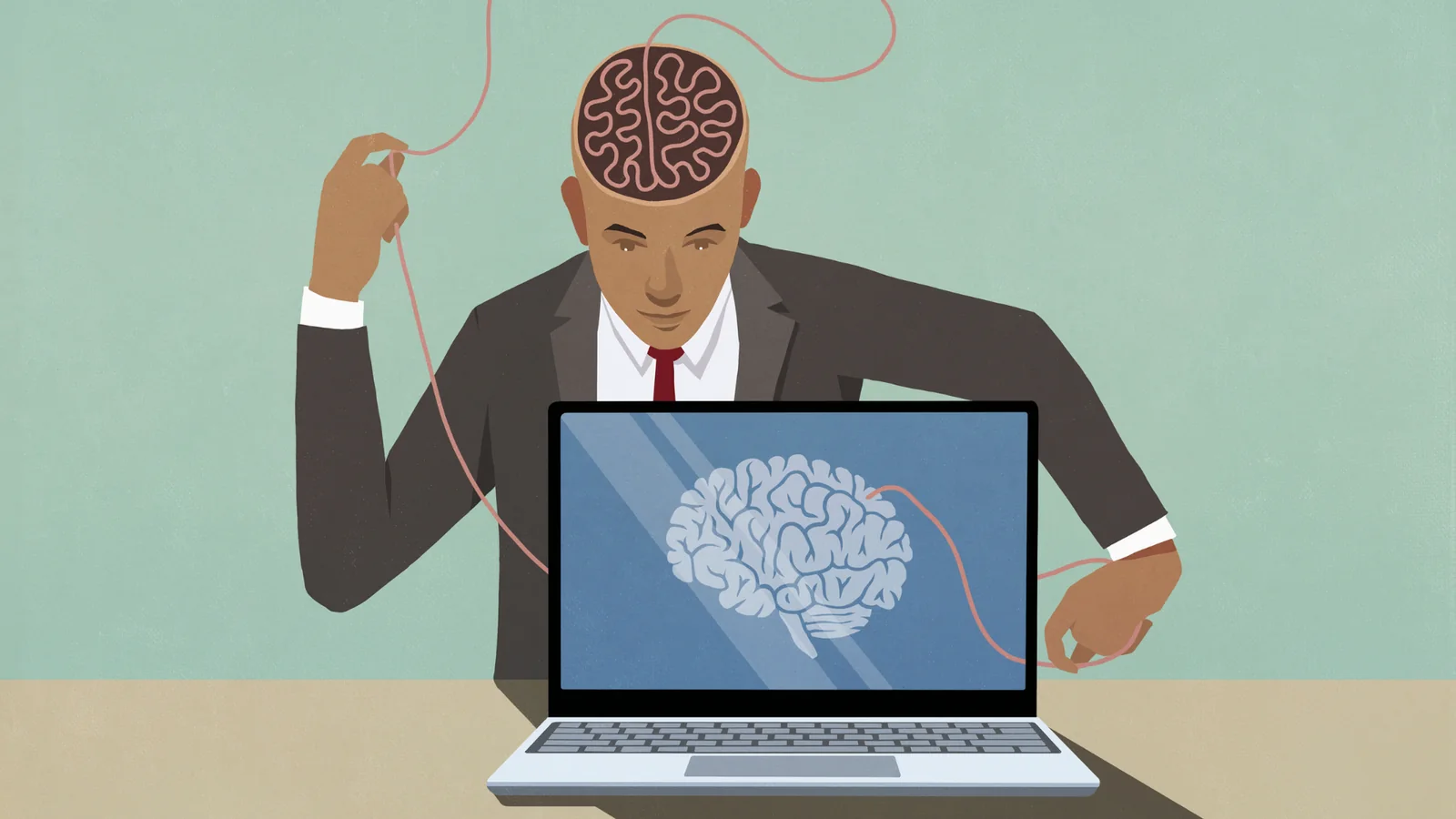
David Durman, a research administrator at the University of Kentucky, has successfully argued that using artificial intelligence violates his beliefs as a humanist and has received a Title VII religious accommodation from university officials not to use the technology. Durman believes in the human component of life, which includes making independent decisions. When the institution asked its employees to use AI, he felt that doing so would mean outsourcing his thinking to tools like ChatGPT and Microsoft Copilot, thus conflicting with his deeply held convictions.
The process and work involved in thinking through professional situations, ethics, and interpersonal handling is a key component in developing as a moral person, Durman stated. Offloading that labor undercuts his ability to be a moral actor. Consequently, the research administrator was granted an exemption under the Civil Rights Act of 1964, which prohibits employment discrimination based on religion. While humanism is frequently characterized as a non-religious philosophy or worldview, federal courts have established that it can qualify as a religion under the law.
First Case of Its Kind
The American Humanist Association assisted Durman with his request for the accommodation. Representatives noted that this represents the first case of its kind for humanism generally to exempt individuals who see mandatory AI use as contrary to their freedom of conscience. Humanism is viewed as a comprehensive way of life built on inherent worth and dignity, meaning individuals should have room to exercise it in professional environments.
While anyone can request a Title VII exemption, it is granted only if the applicant demonstrates a deep moral conviction equivalent to an article of faith and if the accommodation does not place an undue hardship on the employer's business. Although Durman is no longer personally required to utilize AI tools for his tasks, he remains expected to attend meetings, cooperate with colleagues who use AI, and submit materials to AI tools as needed.
Corporate AI Adoption
Artificial intelligence integration in corporate settings has remained a major discussion point since large language models surged in popularity. While proponents argue that the technology increases productivity, reports indicate that segments of corporate America have yet to see clear financial returns. Nevertheless, approximately half of all U.S. employees now use AI in some capacity at work, even as leadership remains uncertain about return on investment.