Airborne Test of Autonomous Wingman
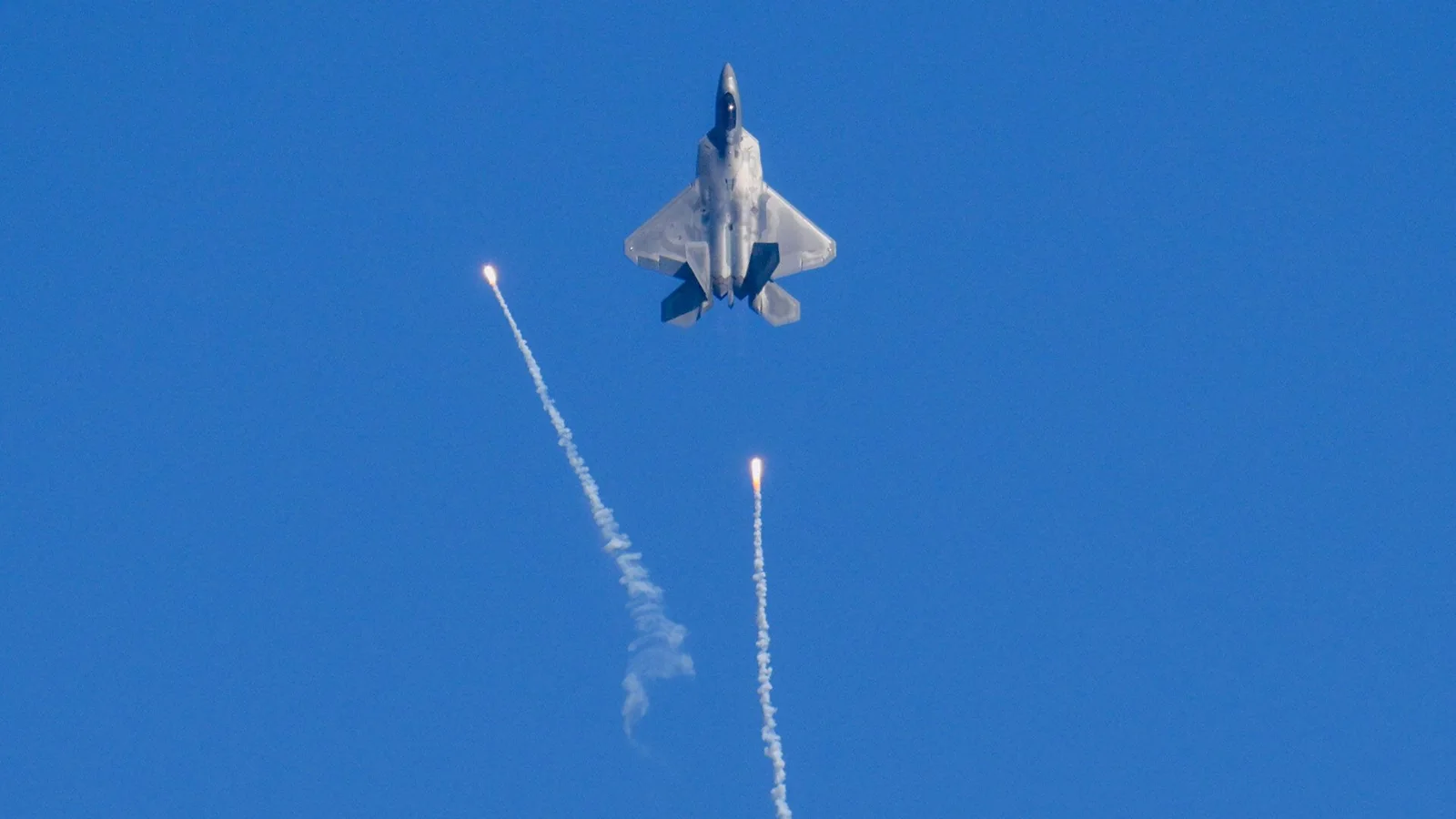
The U.S. Air Force has successfully conducted an airborne test where an F-22 Raptor pilot directed an Anduril YFQ-44A Fury drone during simulated combat. According to reports, the fighter pilot issued tactical commands to the autonomous wingman, which then interpreted them into a series of tasks and flight maneuvers to achieve the desired outcome.
The successful test is part of the USAF’s Collaborative Combat Aircraft (CCA) initiative, which seeks to integrate uncrewed aircraft into fighter squadrons. Because fighter pilots already manage heavy workloads involving flight operations, sensor data, threat assessments, and weapons release, manual drone piloting is impractical. Command integration allows an F-22 pilot to assign specific tactical tasks, such as monitoring or engaging enemy air defenses, while maintaining focus on primary mission objectives.
Program Hurdles and Future Deployment
Despite this milestone, the USAF cannot yet deploy drones alongside frontline fighter jets. Successful command integration is only the first step. The program must still determine the limits of tactical autonomy, safe flight control, and weapons authorization. Additional testing is required to evaluate performance under electronic interference and communication interruptions. Furthermore, the aircraft must be integrated into logistics, maintenance, weapons handling, and forward airbase operations.
While significant development remains, the USAF views autonomous drones as a cost-effective force multiplier that enables a single pilot to command multiple aircraft. Other nations are exploring similar concepts, though the CCA program remains distinct in its primary focus on airborne combat power rather than ground-based operations.