Incident Overview
Top-secret F-35 advanced fighter components, en route from Australia to the U.S., were reportedly intercepted by China after a shipment transited through Hong Kong. Initially deemed 'inexplicable,' new information from Bloomberg sources indicates a UPS employee missed a critical email regarding secure routing and chose the Hong Kong path to accelerate delivery.
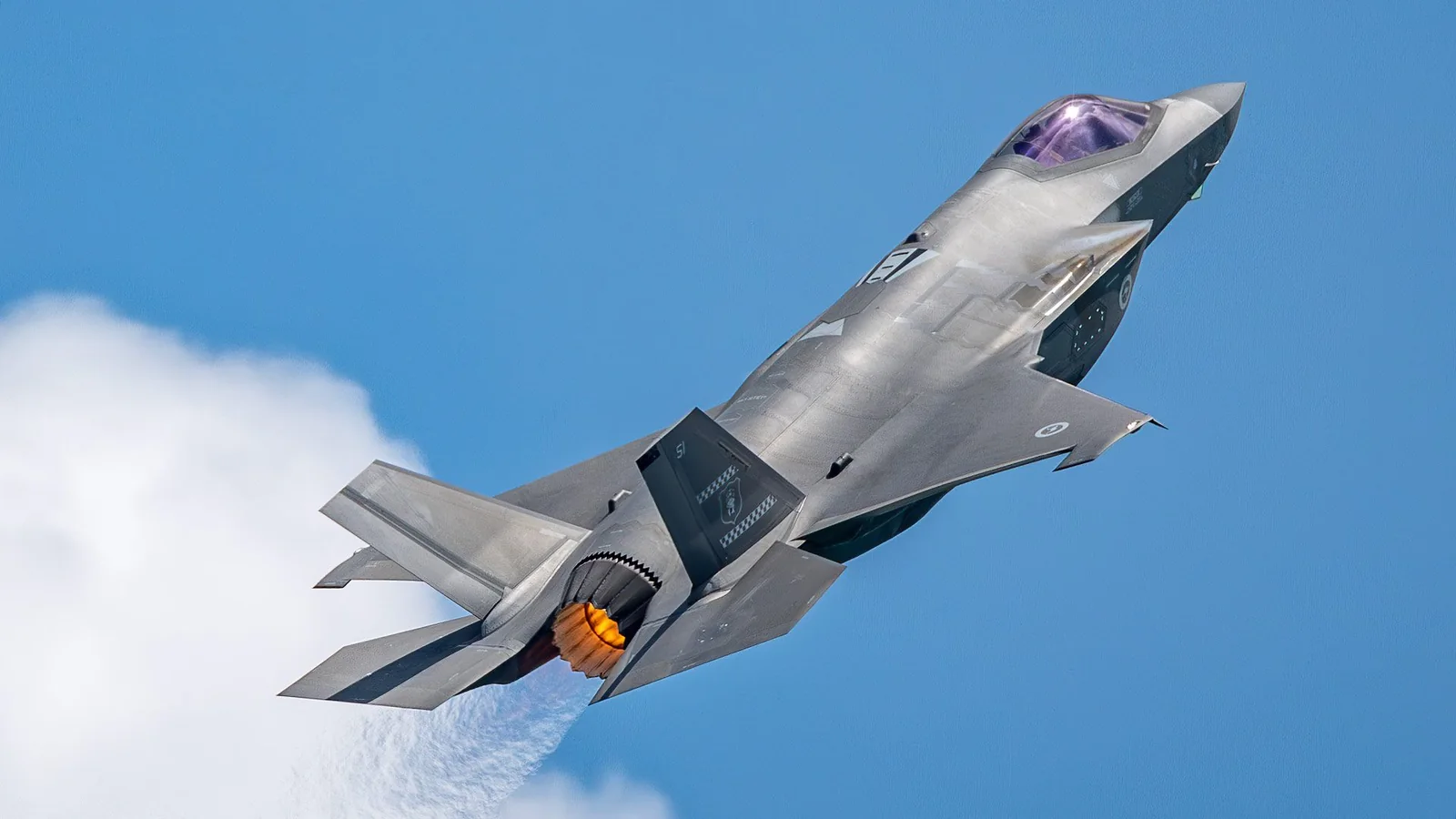
The F-35 components, specifically a Royal Australian Air Force stealth fighter cockpit canopy and weapons-bay door, contained sensitive military technology. These parts were coated with radar-absorbing material, crucial for stealth capabilities, suggesting the coating's proprietary composition might be as critical as the components themselves.
Regulatory Violations
The shipment was destined for San Francisco for inspection. U.S. International Traffic in Arms Regulations (ITAR) prohibit the transit of such military equipment through specific countries and territories, including Hong Kong, which is designated as a special administrative region of China.
DSV, a cross-border freight specialist, sent an email to UPS outlining the ITAR requirements for shipping the F-35 components. However, due to a reported delay in the shipment from Australia and the UPS agent allegedly not receiving or seeing the DSV email, the parts were rerouted through Hong Kong for faster delivery, bypassing the intended South Korea or Taiwan transit. Bloomberg's unnamed sources suggest the DSV email may have been sent via a different IT system than the one used by the UPS agent.
These advanced military aircraft components are now reportedly in China's possession, with no official acknowledgment or indication of their return.
Timeline of the Interception
In late May 2026, Australia dispatched F-35 components to the U.S. for inspection. The cargo plane initially stopped in South Korea. Subsequently, the consignment was diverted through Hong Kong, a decision now attributed to a UPS agent's attempt to compensate for a delayed shipment. This agent reportedly missed an email from DSV detailing ITAR handling requirements. Upon arrival in Hong Kong, the Chinese government took possession of the parts, and the Chinese Foreign Ministry has since stated unawareness of their whereabouts, with no indication of their return.
• On its way to the U.S., the cargo plane stopped in South Korea.
• Then the F-35 parts consignment was diverted through Hong Kong "inexplicably," says the original source.
• NEW: Reportedly, an email from DSV that notified the UPS agent that the consignment had to be handled under ITAR rules never reached the correct person.
• NEW: The UPS agent noticed the parts shipment from Australia was late/delayed, so they decided to ship it through Hong Kong to save time.
• The Chinese government took possession of the parts in Hong Kong.
• China hasn’t returned or released the parts. The Chinese Foreign Ministry in Beijing said it is unaware of the missing parts.
Implications and Response
The incident has caused embarrassment for the Pentagon and Lockheed Martin. While Bloomberg's report attributes the error to miscommunication by a shipping firm, the nature of the mistake appears unsophisticated. Both DSV and UPS spokespersons declined to comment when contacted by Bloomberg.
Despite the Pentagon's efforts to minimize the incident by describing the components as 'unserviceable F-35 parts,' experts view the loss with greater concern. A representative from the Government Accountability Office, quoted by Bloomberg, called it 'a big deal' and suggested Chinese reverse engineering teams would likely benefit significantly.