Introduction
Starting a newsletter can seem easy at the beginning. But as you build it, everything gets more complicated. You need to make a stellar copy, an intuitive layout, a precise contact list, and even pinpoint which offer goes to which set of contacts. With so much to handle, you need a tool that helps with everything while keeping ultimate control in your hands.
Hostinger Reach combines all these tasks into an email marketing service. Launched in June 2025, it manages your email marketing campaigns end-to-end. It is separate from Hostinger’s web hosting and business email, though it connects with its website tools.
The source review evaluates how the platform stacks up against alternative email hosting services, assessing its core features, limitations, and suitability for launching new campaigns.
Plans and Pricing
Users should first compare the frequency of their emails and the size of their audience contact list with the plans and their limits. Once finished, they can evaluate add-ons like editing and automation tools.
Hostinger Reach offers tiered subscription plans with varying recipient caps and features.
The displayed monthly renewal rates are structured across entry and advanced tiers.
Recipients are counted as distinct addresses emailed during a calendar month, rather than new subscribers added perpetually. The counter resets on the first day of each month instead of after a specific campaign.
Because multiple newsletters to the same contact list quickly consume the monthly allotment, the source review notes that entry tiers are best suited for learning the tool rather than sustaining high-frequency weekly newsletters.
The Starter plan includes 20 one-time AI credits, while Grow and Pro provide monthly recurring allocations. These AI credits pay exclusively for content generation tasks rather than message delivery.
Higher-tier plans introduce advanced features such as scheduling, personalization, automated workflows, code editing, send-time optimization, custom fields, and team collaboration seats.
Setup and Integrations
To launch an email campaign with Reach, a verified sending domain is required. Hostinger-managed domains connect automatically, while external domains require DNS record updates.
Contacts can be added manually, imported via CSV, or collected through website forms. Hostinger’s website builder syncs form submissions directly into Reach, and a dedicated WordPress plugin supports external sites using tools like WPForms Lite, Contact Form 7, and Elementor.
This direct website integration removes the need for manual spreadsheet imports, as visitor details flow automatically into the mailing list.
The platform supports a double opt-in feature for supported signup sources, requiring subscribers to confirm their subscription via email. CSV imports and manually added contacts require separate permission verification.
The default no-reply address can send messages without a paid mailbox, but receiving incoming replies requires an active mailbox from Hostinger or an external provider.
Email Creation and Editing
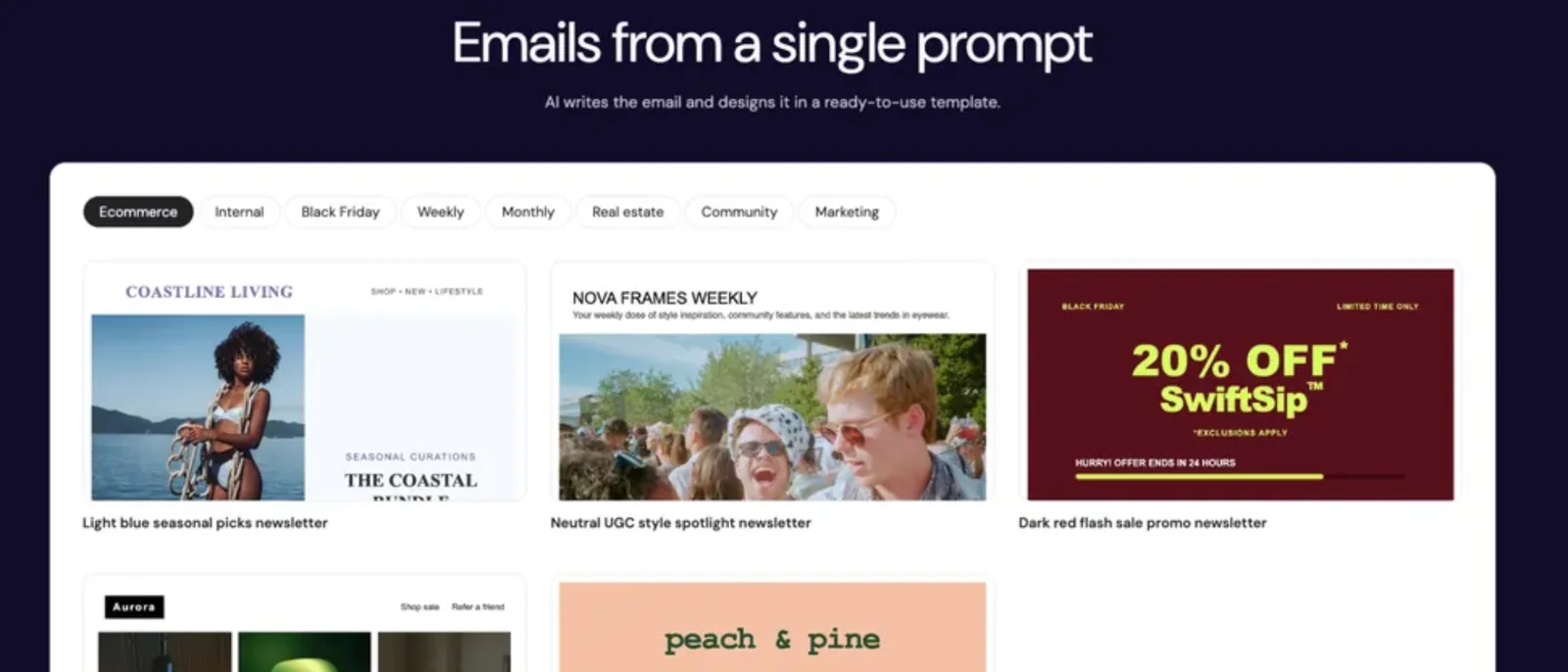
Reach’s AI generator accepts a specified goal, supporting links, images, and product details to propose a campaign plan and generate a draft. The source review notes that this generation process consumes one AI credit.
Providing specific offers, deadlines, and product links yields better results than broad prompts, ensuring the generated text accurately reflects the business.
The visual editor provides a template library, layout controls, and HTML code options on eligible plans. This allows users to manually modify text, images, and prices without depending entirely on AI prompts.
Manual editing ensures precise control over details like pricing accuracy rather than relying on automated paragraph regeneration.
The platform also supports custom preheaders for inbox displays, and the source reviewer recommends checking mobile previews and test sends prior to final dispatch.
Personalization and Automation
Personalization features allow messages to include subscriber names, supported by fallback text configurations (such as a generic term) to maintain professional greetings when a first name is missing.
This fallback mechanism ensures consistent messaging across the entire contact list rather than risking broken greetings.
Contact segmentation automatically groups subscribers based on signup sources and activity levels, allowing tailored messaging for distinct audience segments.
Separating audience sources helps deliver targeted content relevant to specific subscriber interests.
Hostinger Reach: Reports and email delivery
Analytics track opens, clicks, bounces, and unsubscribes. Click maps highlight engagement levels across different links within the message.
Click maps help evaluate which offers attract user attention, though open rates alone do not confirm direct sales conversion.
Smart Sending features utilize past opening behavior to distribute campaigns over a 24-hour window, though this setting is less ideal for time-sensitive evening announcements.
A Quality Checker flags potential layout or spam-related issues, although it does not independently verify sender reputation or guarantee primary inbox placement.
Hostinger Reach: Final verdict
Hostinger Reach is well-suited for small businesses requiring integrated newsletters, website signup forms, and automated follow-ups backed by AI drafting tools.
However, migrating established mailing lists requires careful verification of plan features, store connections, and template designs before committing.
Conducting a permission-based trial campaign helps confirm whether the platform editors and plan allowances meet specific newsletter requirements.



