Blackwell Chips Detected
Israeli security firm Lava has identified 32 Nvidia Blackwell Ultra B300 chips operating within the network of state-owned China Telecom. These high-performance accelerators are barred from export to China under U.S. regulations, raising questions about how they bypassed restrictions meant to limit advanced computing sales to whitelisted buyers.
Despite strict export controls, high-end AI processor smuggling remains a persistent challenge. Reports indicate that Chinese entities previously smuggled substantial volumes of restricted Nvidia silicon into the country over short periods, with distributors actively acquiring newer architectures as soon as they become available.
Nvidia Response
Nvidia downplayed the significance of the findings while stopping short of denying them. A company spokesperson described such diversions as a minimal fraction of overall global deployment, arguing that government enforcement largely keeps illicit transit contained.
Detection via Monitoring Tools
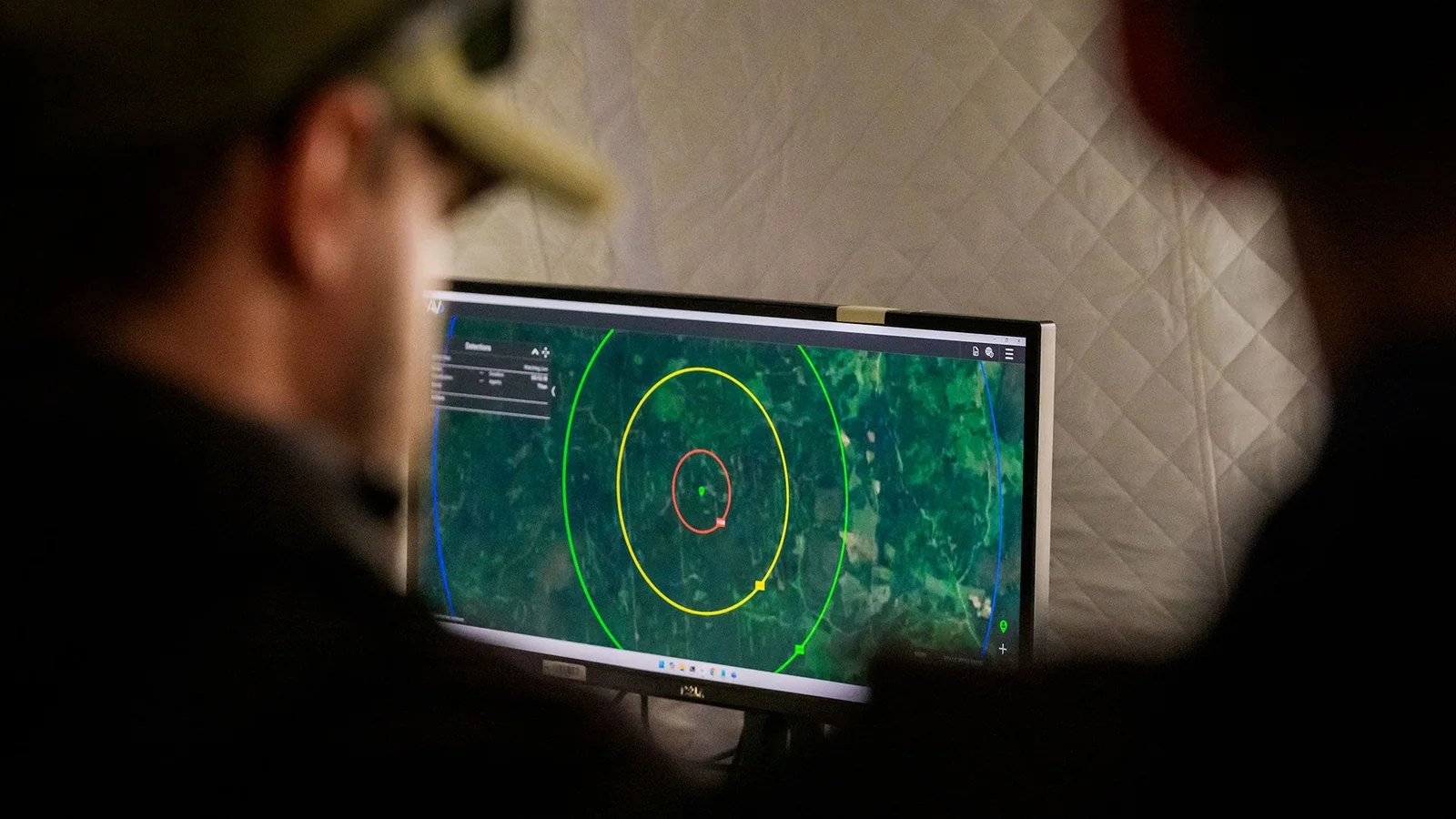
The exact entry vector for the B300 hardware into China Telecom remains unknown, and Lava cannot pinpoint their precise geographical server rack locations. The security firm identified the processors using Nvidia's DCGM Exporter telemetry tool, a utility designed for server health monitoring that can occasionally be accessed externally when misconfigured.
High Demand for Advanced AI Hardware
The Blackwell Ultra B300 offers major performance advancements over preceding architectures with expanded memory and high-throughput compute capabilities tailored for advanced reasoning models. Investigations in other jurisdictions, including indictments in Taiwan and internal firings at server vendors, highlight the complex intermediary networks involved in diverting these components.
Intense demand for data center compute has driven up secondary market prices for older silicon as well. As regulatory agencies tighten oversight, illicit supply chains continue to adapt to secure critical hardware for domestic workloads.