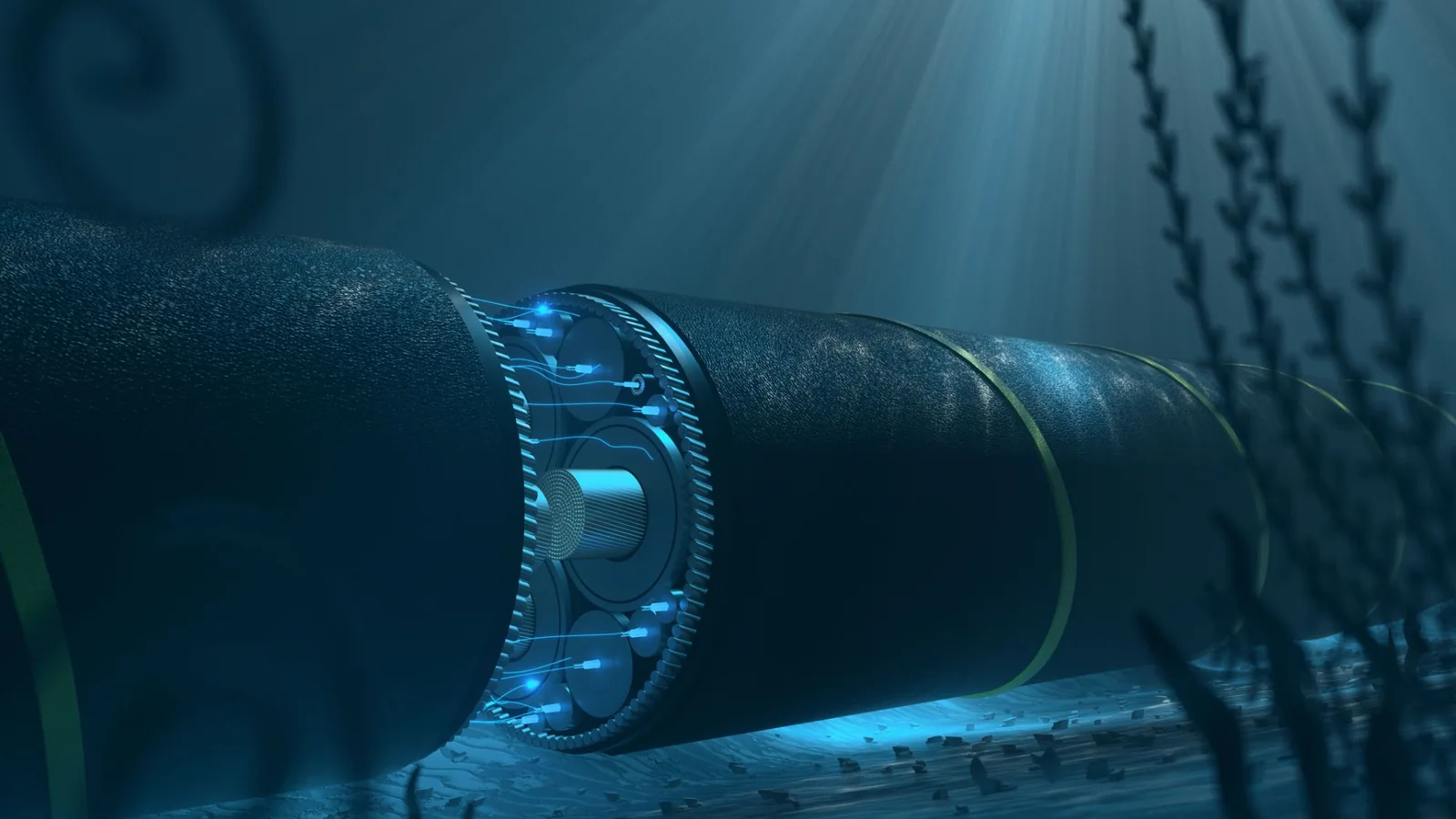
Undersea Cables Threatened
The Islamic Republic of Iran has described several undersea fiber cables running through the Strait of Hormuz as legitimate new targets. General Hossein Mohebbi, a spokesman for Iran's Islamic Revolutionary Guard Corps, referenced the cables during recent public comments.
According to Mohebbi, seven large cables pass beneath the Strait of Hormuz carrying essential internet and commercial data. Another IRGC official, Yadollah Javani, suggested that if Iranian infrastructure faces attacks, the state could respond by severing these communication links.
Strategic Vulnerabilities
Military analysts indicate a potential third phase in regional conflicts could introduce new geographic targets and tactics. The threatened infrastructure includes major lines such as the Asia-Africa-Europe-1 cable, which spans thousands of miles and passes near regional nations sharing maritime borders with Iran.
Credibility of Threats
Strategic experts consider the threats technically feasible, noting that specialized divers or submersibles could access shallow seabed areas to sever or damage fiber lines, drawing parallels to previous high-profile maritime infrastructure sabotage incidents.
Sources indicate that while disabling the lines was previously avoided to prevent widespread international retaliation, the option remains under consideration depending on future geopolitical escalations.
Undersea telecommunications infrastructure has increasingly drawn international security concerns. Similar incidents have occurred globally, including naval responses to foreign vessels loitering near critical transatlantic and European data cables.