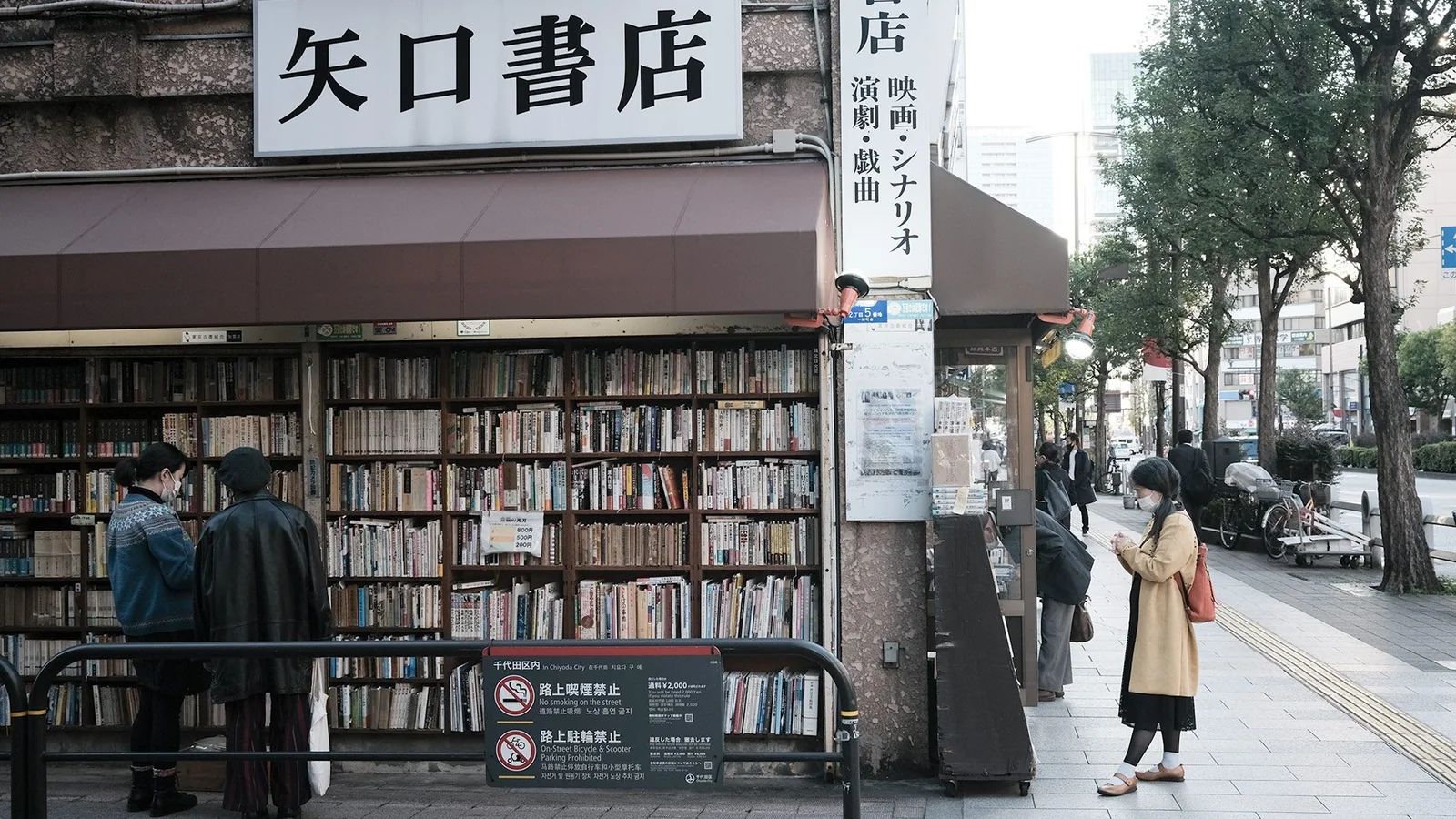
Japanese Bookstores Experience Sales Boom
Bookstores in Japan are enjoying a boom in sales right now. However, this welcome spurt in business, where used books are bought in the 100s or even by the ton, is causing mixed feelings among owners of these businesses. It is suspected that many of the well-read hardbacks and paperbacks, often directed to a logistics center in Okayama Prefecture, will be scanned and then pulped by foreign AI tech giants.
Reports indicate that AI companies have previously engaged in scanning and destroying millions of books in the U.S. and Europe, and similar operations are now reportedly running in Japan.
There has been a large swell of orders being placed with bookstores that sell via online marketplaces. In interviews, some stores have reported selling hundreds of books per day via these channels, with certain days seeing sales multiply fivefold.
Bulk Shipments and International Scanners
Records indicate a 50-ton consignment of Japanese books was shipped to the U.S. to undergo a destructive scanning process. Additionally, a used bookstore in Western Japan received an inquiry from a foreign company regarding an order of tens of thousands of books.
Multiple accounts responsible for the surge in bulk orders have requested shipment to a logistics center in Okayama Prefecture. The logistics center operator has declined to comment on the operations.
Targeted Genres Point to AI Training
The purchasing patterns of the bulk buyers further suggest an AI scan and shred operation. While novels and comics previously sold the most, recent increased orders focus on genres like philosophy, history, political history, medicine, law, and topics regarding Edo period life and culture.
Industry Concerns and Cultural Impact
Bookstore owners express mixed feelings about the current sales spike. While business is booming, the permanent removal of used books from circulation threatens future stock availability, pricing, and overall business prospects.
Beyond business impacts, the trend raises questions regarding the removal of important cultural works and the use of copyrighted materials for AI training. Under current Japanese law, such usage remains legal unless it can be demonstrated that the scanning unfairly harms the copyright holder's interests.