Introduction to PancakeSlicer
A developer has showcased a self-hostable non-planar slicer designed to make printing across all three axes accessible. While traditional 3D printing relies on 2D horizontal layers, non-planar demonstrations have typically been confined to research and experimentation due to a lack of accessible tools. The new project, named PancakeSlicer, aims to bridge this gap by integrating non-planar slicing algorithms into standard workflows alongside integrated printer management features.
Although non-planar experiments periodically gain attention online, practical adoption remains limited by half-abandoned open-source repositories and a lack of integration into familiar workflows. Modern users accustomed to streamlined software often avoid manual G-code adjustments, hindering wider experimentation with multi-axis toolpaths.
Hardware Compatibility and Clearance
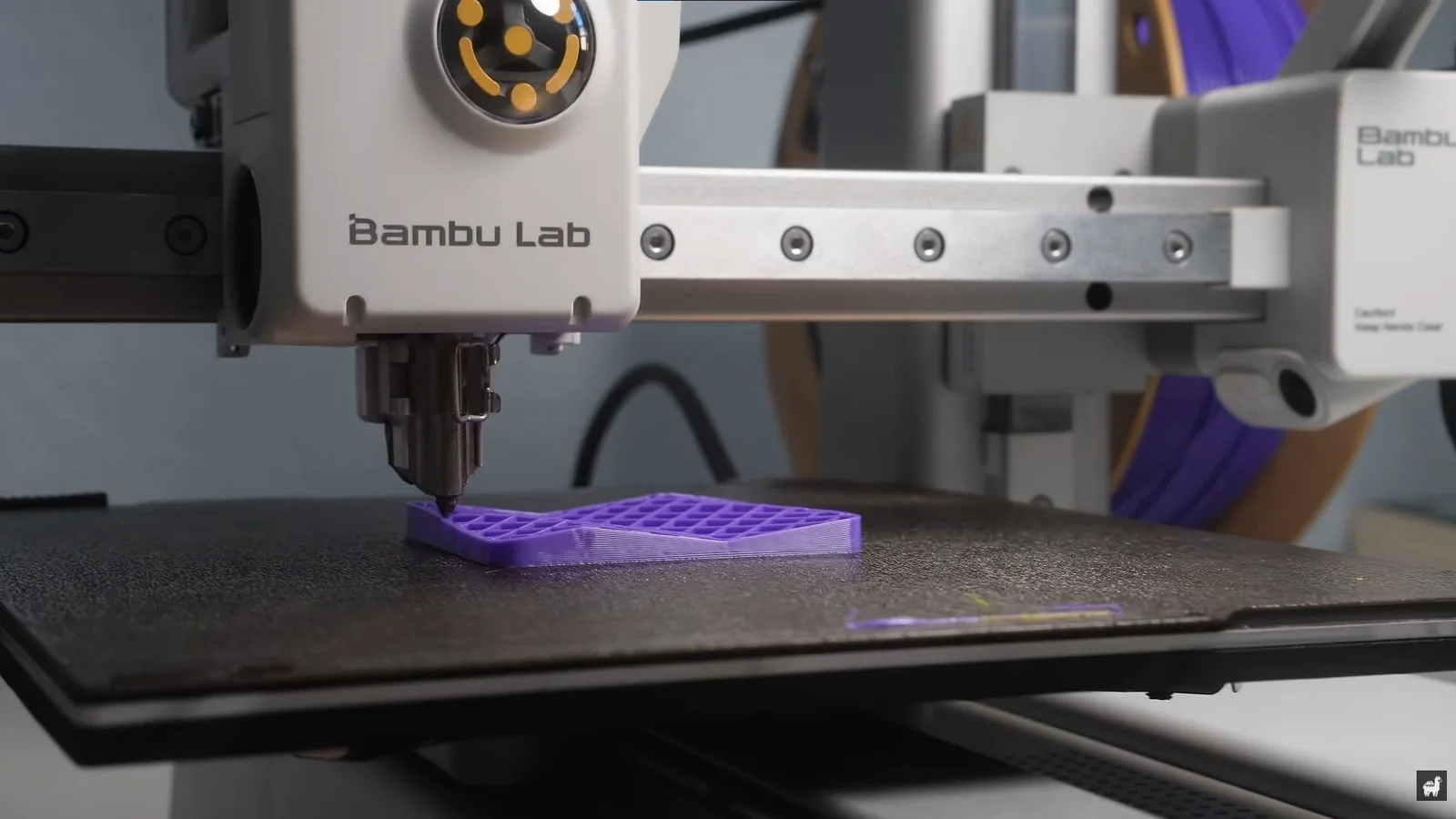
Commercially available 3D printers are typically not optimized for multi-axis movement because the print head requires adequate clearance angles to avoid colliding with existing geometry. The software addresses this by incorporating 3D models of print heads from various manufacturers to prevent collisions during path generation. Supported hardware includes models from Bambu Lab, Prusa, Creality, and Voron, though physical constraints mean specific printers exhibit varying capabilities regarding maximum curvature and angle.
The project includes visual demonstrations and animations illustrating how the underlying algorithms divide objects for multi-axis deposition.
Self-Hosting and Management Features
The platform supports self-hosting on local hardware such as a desktop computer, NAS, or home server, exposing a web-based interface for multi-device job submission. It also provides centralized management profiles for different printer brands, allowing users to operate multiple machines without switching between disparate applications. For Bambu Lab hardware, it functions in LAN-only mode, and the system can process multiple slicing tasks concurrently.
While it is not the first platform to offer self-hosted print management, the project lowers the barrier to entry for non-planar manufacturing workflows.