Overview
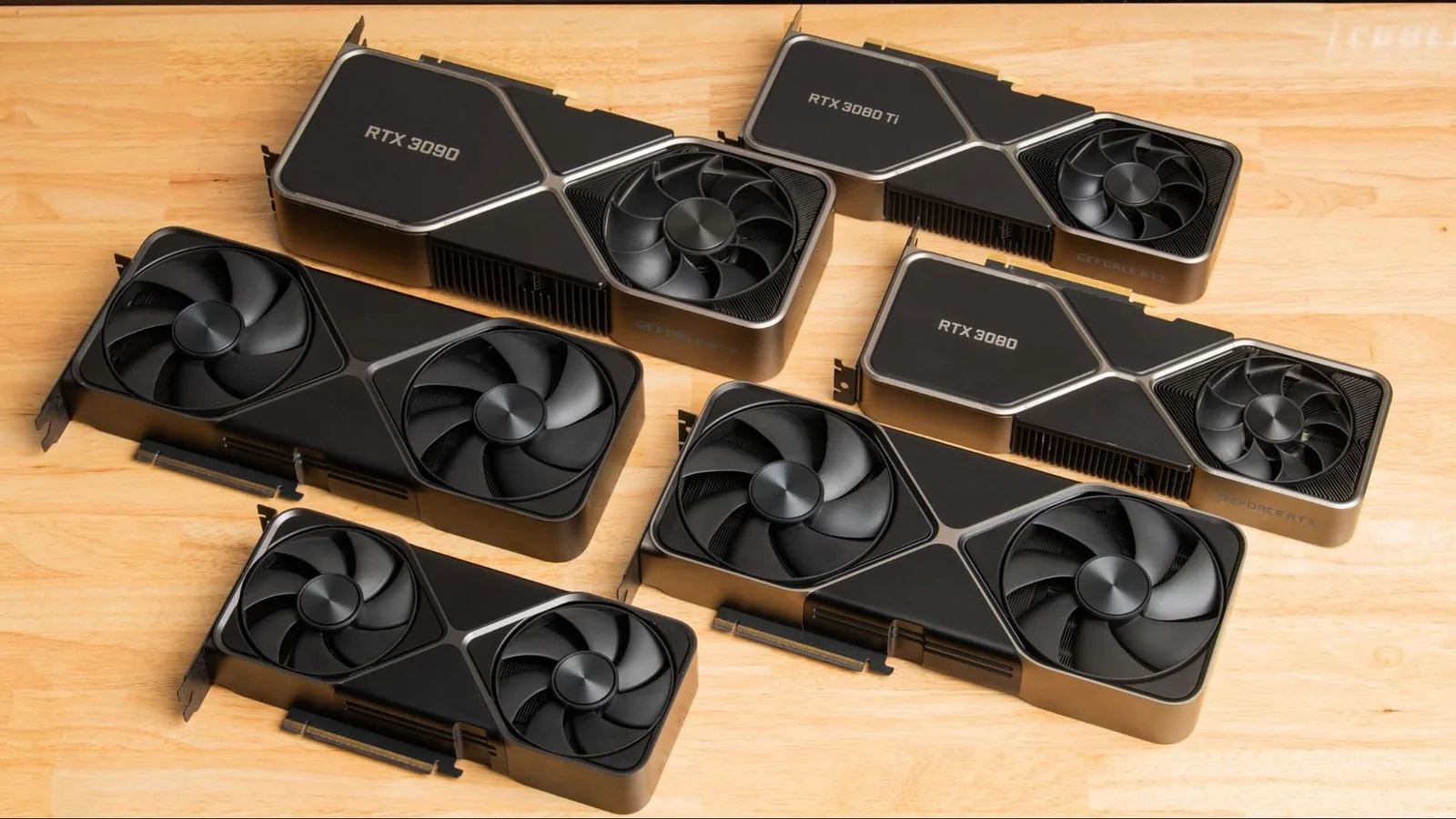
A recently released VBIOS configurator for RTX 30-to 50-series cards operates without requiring a traditional flash process. The loader provides a graphical user interface for easy configuration, lowers the risk of bricking the graphics processor by avoiding risky firmware overrides, and supports Linux systems.
Beyond Standard Limits
Standard utility software like MSI Afterburner or ASUS GPU Tweak provides quick adjustments for graphics card settings, but these applications enforce hard limits on performance scaling. Modifying parameters directly in the VBIOS bypasses these firmware restrictions, functioning similarly to adjusting system configurations in a motherboard boot menu.
How the Override Works
The utility functions by storing a modified VBIOS image inside a registry key. During startup, the Nvidia driver checks for a VBIOS override, loads the specified image, and restarts to apply the custom settings. Because the physical flash chip is never overwritten, the risk of permanently bricking the hardware is significantly reduced. However, extreme configurations can still cause electrical damage, though the software includes rollback options to restore default parameters.
Recovery and Safety
Recovering a corrupted flash chip typically involves using an external SPI programmer or a microcontroller such as a Raspberry Pi Pico. While hardware recovery methods exist, they remain tedious and time-consuming, making software-based configuration methods much safer for everyday experimentation.
Caution Advised
Users unfamiliar with power delivery systems and voltage scaling should exercise extreme caution before applying custom modifications. However, the software remains useful for safely establishing persistent fan curves or startup profiles that might otherwise fail to apply through standard utility programs.