RTX 5080 Prices Reach Flagship Levels
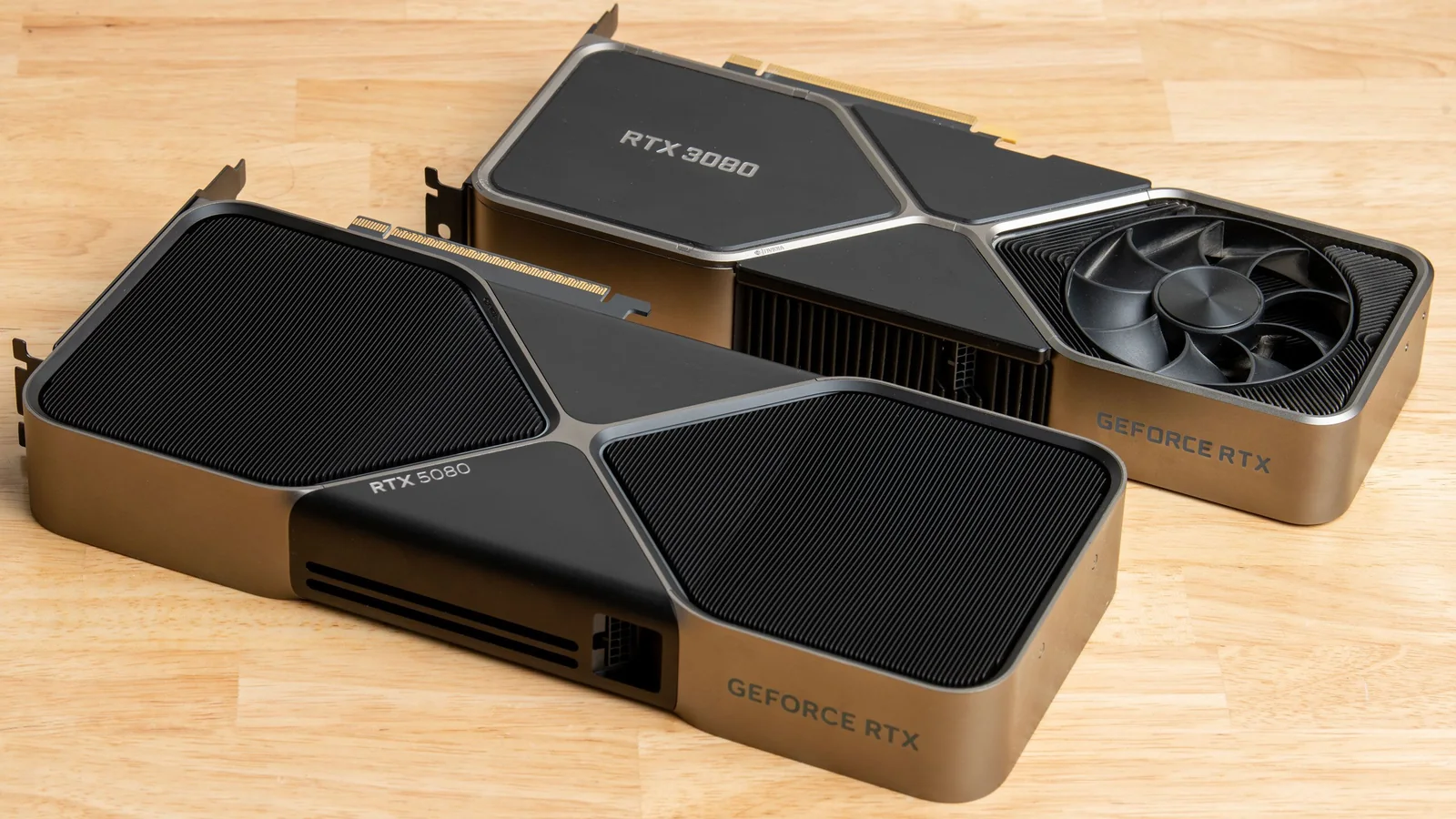
The Nvidia GeForce RTX 5080, Nvidia's second-fastest GPU from its current generation, now costs as much as the RTX 5090 did, on paper, when it launched. Prices have reached $2,000 and higher, with most of the available stock online limited to third-party sellers. If you can find it in stock, it may end up costing you two to three times as much as it did when it launched.
The cheapest, in-stock RTX 5080 available to buy online for delivery is listed at $1,999 from major retailers, matching the RTX 5090's on-paper MSRP. Buyers often face higher pricing ranging upward to $2,299 or near $3,000 depending on the specific custom board partner model and retailer.
Stock for the RTX 5080 remains severely limited across major retail channels, with minimal inventory available for local pickup or direct delivery. Regional availability varies heavily, leaving few options for consumers seeking standard retail rates.
Market Supply and Pricing Trends
Many remaining online listings originate from third-party marketplace sellers with marked-up pricing structures. This widespread price inflation means buyers are paying significantly more than the card's initial $999 launch price. Price tracking data indicates that RTX 5080 costs have risen steadily since release, with the current price floor now mirroring the launch price of the higher-tier RTX 5090.
The broader graphics card market continues to experience extreme pricing pressure. Flagship RTX 5090 cards have seen asking prices climb far beyond initial figures as remaining online stock dwindles to extremely low levels.
AI Industry Impact on GPU Production
The RTX 5080 utilizes Nvidia's GB203 graphics processor featuring 10,752 CUDA cores and 16GB of GDDR7 VRAM. The consumer gaming GPU sector continues to face headwinds driven by intense artificial intelligence infrastructure demand. While high-end GPU demand remains robust, manufacturing priorities have shifted toward enterprise data centers. Memory manufacturers have increasingly allocated DRAM production lines to high-margin HBM production to supply AI accelerators.
The RTX 5080 uses Nvidia's GB203 GPU and comes with 10,752 CUDA cores, along with 16GB of GDDR7 VRAM. Unfortunately, it, like the rest of the consumer gaming GPU market, is being affected by AI. Demand for high-end GPUs hasn't stopped, but Nvidia's attention has shifted to the enterprise market. So, too, has the focus of memory manufacturers, meaning DRAM allocations and production lines that would otherwise produce memory chips for graphics cards have instead gone to feeding the demand for high-margin HBM for AI data centers.