Introduction and Design
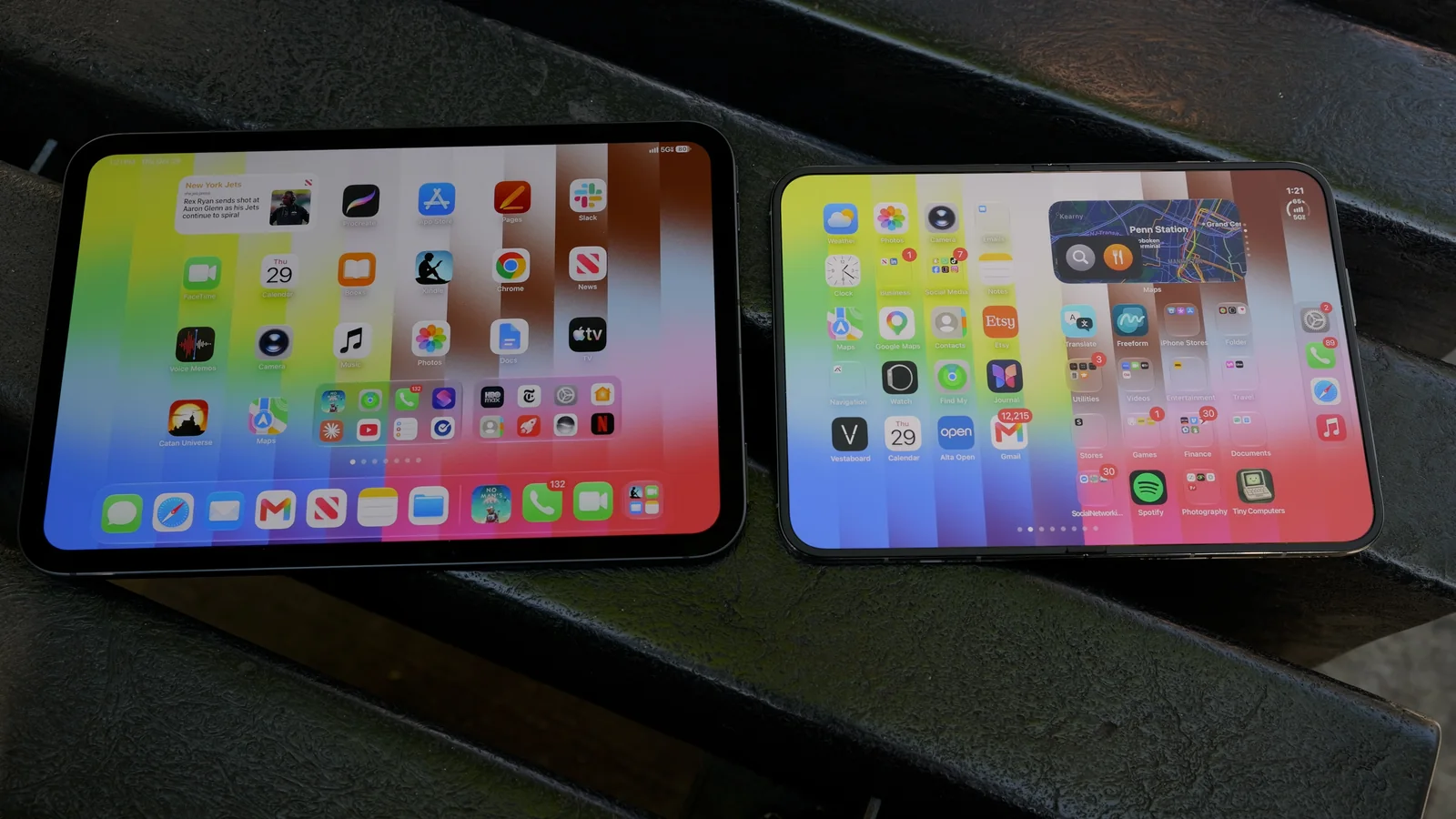
The latest Apple tablet offers an ultra-portable footprint designed to handle everyday apps and media consumption seamlessly in a non-folding form factor.
The iPad Mini returns in a refreshed form that feels closely aligned with newer iPhone models, sharing OLED displays, water resistance, and A20 Pro processors. Starting at $699, it serves as a powerful, compact alternative to larger ecosystem options.
The device features several subtle yet welcome design and capability upgrades. While more expensive than previous iterations, it presents a mature, highly capable option for users seeking portability without sacrificing power, despite lacking a dedicated official keyboard case.
While the iPad Air remains a preferable option for many users due to form factor flexibility, the compact nature of the Mini retains a distinct appeal for handheld workflows.
Base pricing begins at $699 and scales up significantly for higher storage tiers, cellular capabilities, and the nano-texture matte display finish. Accessories such as the Pencil Pro and Smart Folio cases are sold separately.
Display Quality and OLED Upgrades
The introduction of an OLED display brings richer colors and deeper black levels to the compact tablet line. However, the omission of a 120Hz ProMotion refresh rate remains a notable drawback at this price point.
In daily use, scrolling appears acceptable while color richness and contrast are clearly enhanced over previous LCD models, even if the real-world visual leap is somewhat subtle during casual tasks.
The optional nano-texture etched glass finish provides effective anti-glare properties and a more paper-like feel for stylus input, though it subtly softens overall image sharpness.
Screen real estate expands slightly to 8.5 inches with narrower bezels, striking a comfortable middle ground between pocket-sized phones and larger 11-inch tablets.
Durability and Audio Performance
IP67 water and dust resistance adds a welcome layer of physical durability, offering strong protection against accidental splashes and spills during everyday travel.
The IP67 rating ensures protection against fresh-water submersion up to 3 feet for 30 minutes, serving primarily as a safeguard rather than an invitation for aquatic use.
Audio engineering features an Acoustic Display speaker array embedded beneath the screen edges. This setup eliminates traditional side speaker holes, delivering impressive bass and high maximum volume levels relative to the device size.
Camera Placement and Connectivity
The front-facing camera has finally been relocated to the landscape side edge, significantly improving the framing and angle for video calls when the tablet rests in a stand.
Performance and Battery Life
Upgraded cellular configurations utilize an advanced C2 modem, delivering robust wireless speeds on the go for mobile productivity and commuting.
Productivity Limitations
The absence of an official folding keyboard case or Magic Keyboard accessory limits the tablet's potential as a lightweight laptop replacement, requiring third-party hardware solutions for heavy text entry.
USB-C display extension capabilities allow the device to connect to external monitors for expanded app layouts, making the lack of native keyboard accessories even more noticeable for mobile professionals.
Equipped with high-end processor configurations, benchmark evaluations show performance figures tracking close to M4-powered alternatives, handling demanding applications effortlessly.
Battery longevity reliably meets expectations, easily sustaining intense multi-hour usage workflows over a full day without requiring a midday recharge.
Fast-charging support allows significant battery recovery in short periods, though users must supply a compatible 35W or higher power adapter separately.
Conclusion
Priced starting at $699, the iPad Mini functions as an exceptional travel companion and versatile handheld computer. While keyboard case integration and screen refresh rates leave room for improvement, its compact utility remains unmatched.
Future software updates and ecosystem shifts may continue to expand the capabilities of small-form-factor tablets, cementing this model as a powerhouse for mobile users.