Rising Transit Interceptions
Organized crime syndicates have increasingly targeted data center hardware during transit, intercepting shipments worth tens of millions of dollars per incident. Recent investigative reports highlight that more than $100 million in computing equipment and related gear has been stolen via transit interception.
This form of cargo theft has escalated over the past few years. Major incidents include a $38 million equipment disappearance in Reno, alongside smaller thefts involving semiconductors, server components, and technology products across the Mojave Desert and Texas.
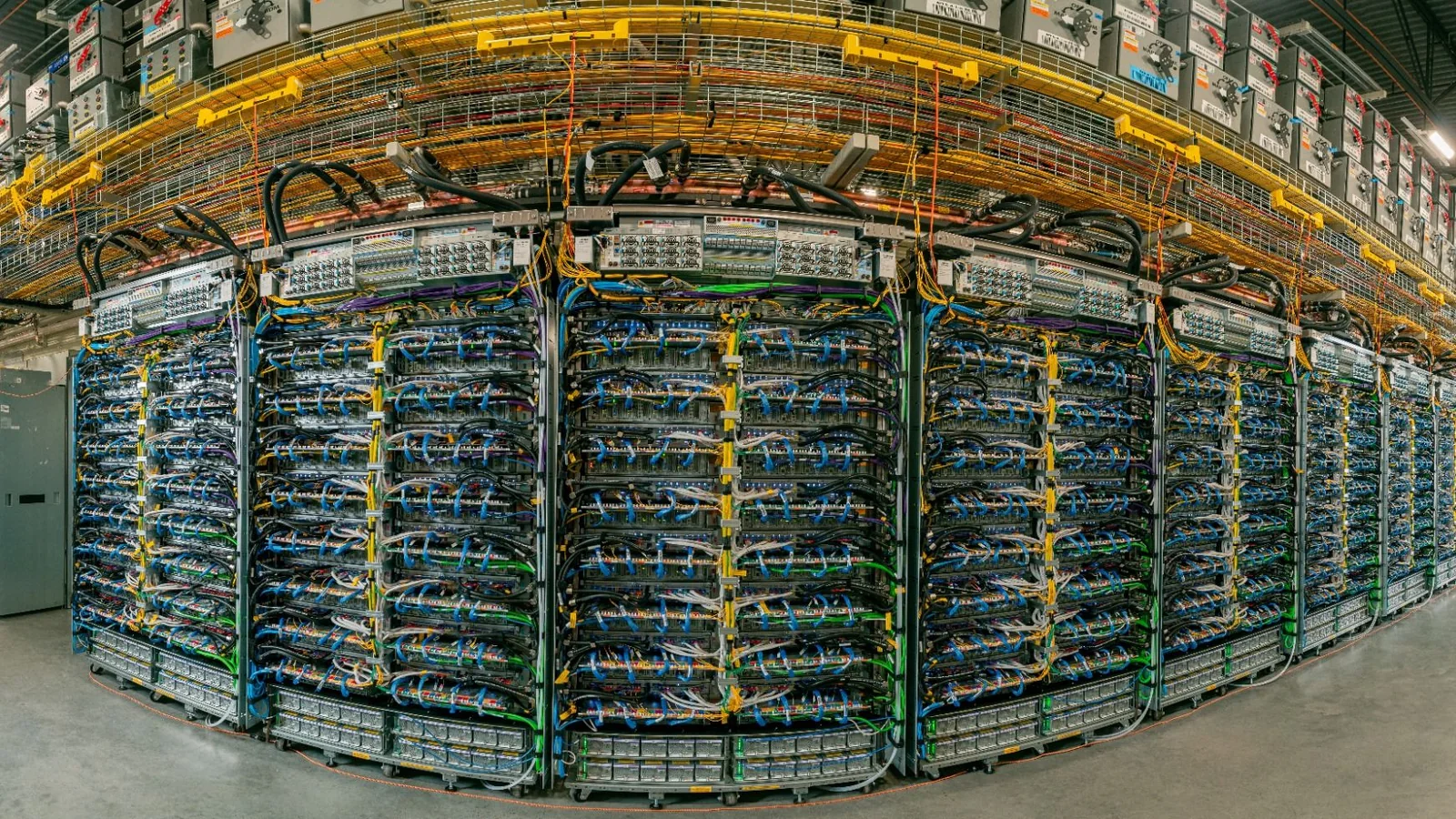
The stolen inventory encompasses servers, fiber-optic and copper cabling, memory modules, storage drives, and network routers. Shipments bound for AI infrastructure deployments frequently include high-demand components.
High-value raw materials like copper wire are also targeted due to soaring market values. Industry experts note that stealing specialized technology shipments has become significantly more lucrative and straightforward than traditional financial robberies.
Sophisticated Methods and Digital Breaches
The operations combine advanced digital techniques with physical force. Perpetrators routinely compromise the online accounts of freight brokers and shipping carriers to access cargo manifests and delivery schedules, allowing them to impersonate legitimate logistics personnel and intercept trucks.
Physical tactics in certain heists have involved ramming security vehicles to force transport trucks off routes. Investigators suggest that insider participation facilitated by compromised personnel vetting and fraudulent identification documents often plays a role.
To bypass logistical security, thieves frequently employ GPS signal spoofing devices to broadcast false coordinates, misleading both human operators and automated tracking systems during transit.
International Distribution Networks
Rather than relying on traditional domestic resale markets, much of the stolen hardware is pre-sold to international buyers before the heists occur.
Law enforcement agencies indicate that diverted components are often funneled into regions subject to strict export controls. Supply chain monitoring platforms report suspicious cargo activities linked to theft across multiple international transit hubs, with estimates suggesting a majority of stolen shipments ultimately leave the country.
Supply chain security analysts emphasize that these operations are run by structured international syndicates capable of penetrating logistics networks at multiple levels, including drivers and warehouse operators, to exploit vulnerabilities.