Modern Tech Meets Retro VHS Gaming
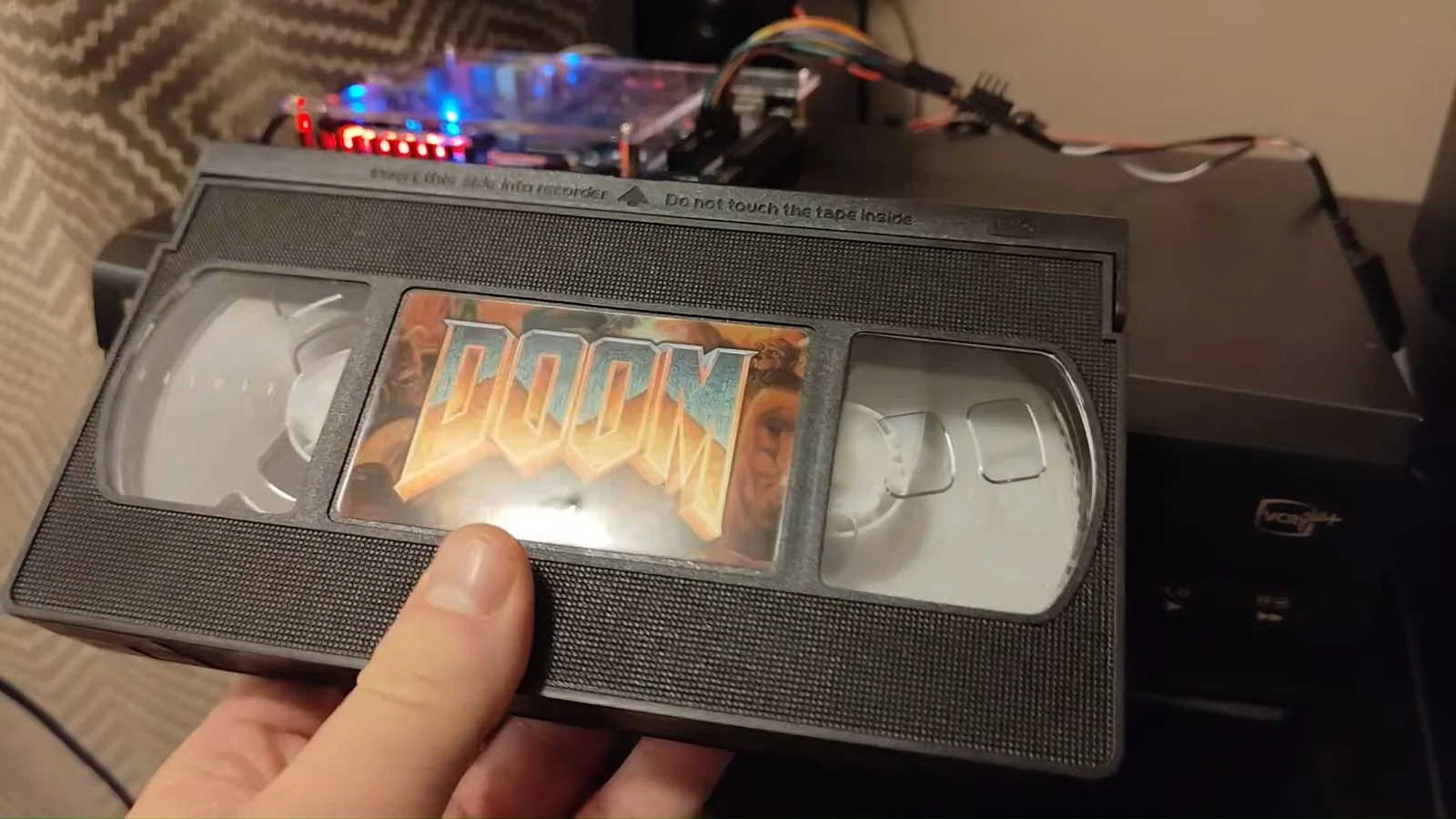
A tech creator, disappointed with a 1980s VHS tape-based gaming video console, decided to build a superior system backed by modern technology such as a DE1-SoC FPGA board and a Raspberry Pi RP2350 microcontroller. The project documents frustrations with the old ActionMax 1987 VHS-connected system and progress in building a modern VHS-based FMV-enhanced gaming system that plays versions of Super Mario Bros. and Doom.
NSFW alert. Video includes frequent swearing.
Reinventing the ActionMax Concept
The creator began by tinkering with an ancient VHS-based entertainment system which, after much effort in setting up, proved ultimately disappointing. The interactivity offered using the ActionMax and its peripherals was limited and imprecise, lacking novelty. However, working with the vintage hardware inspired an effort to remake a VHS-video gaming system augmented by widely accessible modern maker technology.
How the FPGA-Powered VHS Doom Works
The project demonstrates how an FPGA-powered single-board computer improves the VHS gaming experience. At its heart, demonstrated in the Doom version, the FPGA powers overlay graphics and switches to one of eight simultaneous video streams being played by the VHS deck. In every new scene, timely interaction selects another of the eight streams, while a counter tallies correct button presses on the controller to keep score.
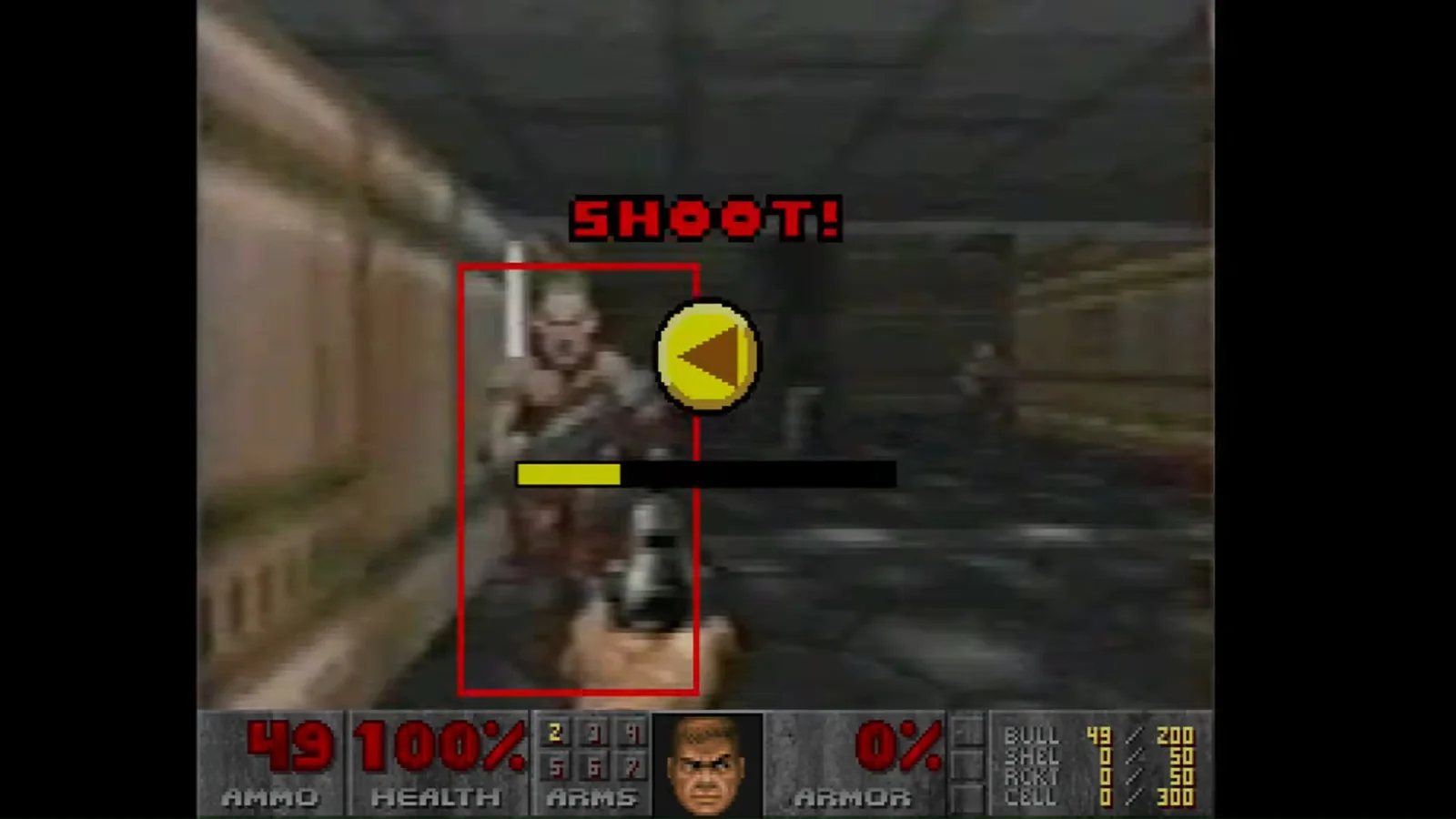
Super Mario Bros on VHS FMV
The version of Super Mario Bros. offers a different take on full-motion video in games. Here, the single-board computer plays a faithful-looking version of the Nintendo classic, but the game backdrop is replaced by VHS-taped imagery, employing a technique similar to methods once used in early CD-ROM games to raise visual appeal.
Mumbo was last seen on Tom’s Hardware running Sega games off vinyl records. This was a pretty straightforward adaptation of how software used to be loaded from a cassette on a wide range of retro computers.