Deployment of the Filin Missile
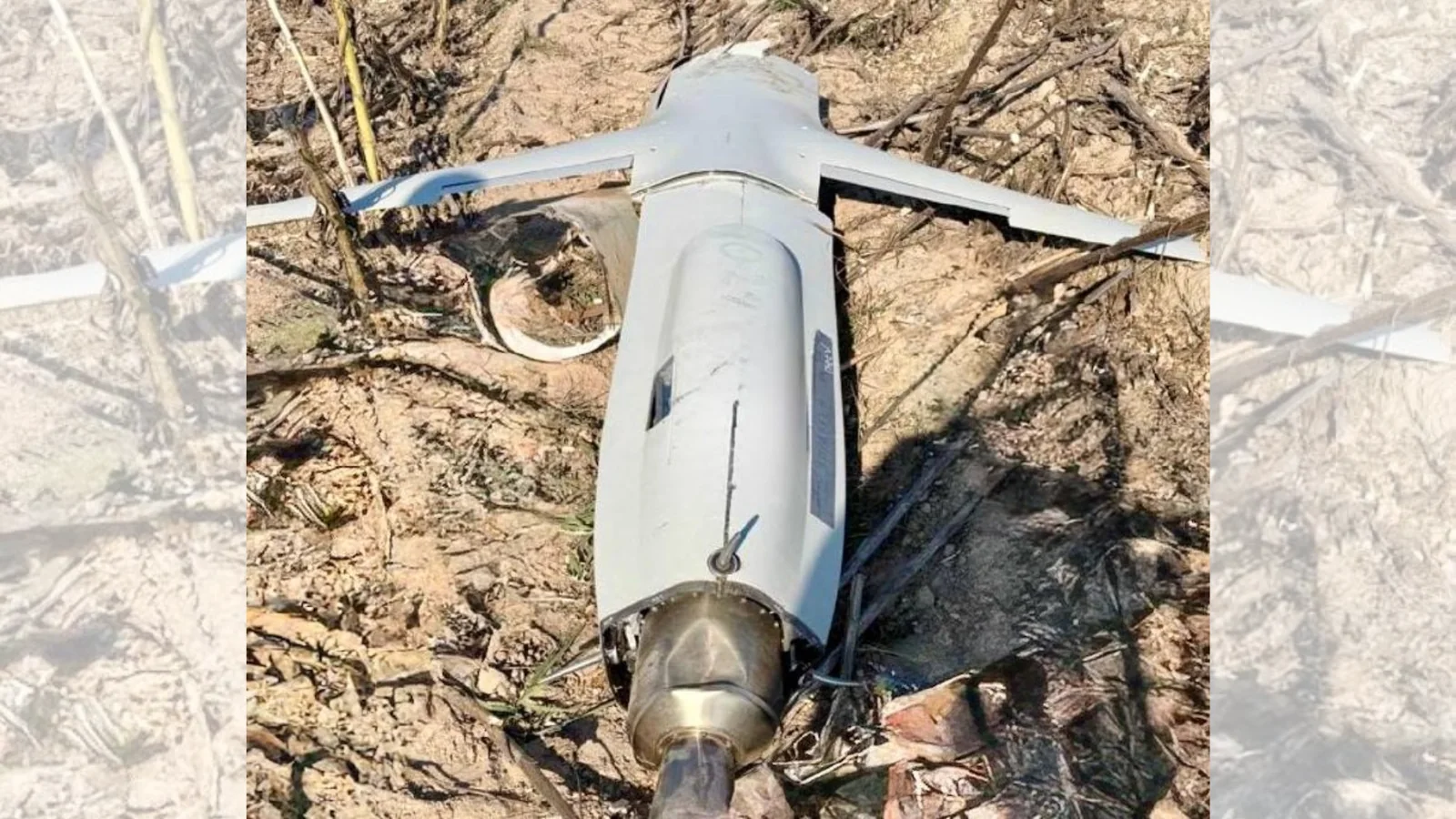
Ukraine's military intelligence agency GUR released details of a new 3D-printed Russian cruise missile that was deployed between September and October. The missile reaches speeds of 500mph and has a range exceeding 700 miles. Reports indicate that these Filin cruise missiles are significantly more affordable than traditional alternatives like the Kh-101 cruise missile, prompting concerns that they could be utilized for high-volume tactics to overwhelm air defense systems.
Performance and Comparison
As the conflict in Ukraine continues, both sides have sought cost-effective methods of warfare. While drones remain common, their slower speeds make them vulnerable to interception. In contrast, the Filin achieves speeds up to 500 mph and a range of 745 miles, presenting a faster moving target for regional air defenses compared to earlier uncrewed systems.
Hardware and Component Sourcing
The GUR reported that the Filin features a carbon and fiberglass fuselage alongside 3D-printed components. Cost reduction was reportedly achieved by utilizing commercially available parts from various domestic and foreign suppliers. While the engine is Russian-made, the Ukrainian intelligence agency identified numerous electronic components originating from Western nations and allied countries, including parts sourced from the U.S., China, Japan, Switzerland, Taiwan, and the Netherlands.
Manufacturing Efficiency
While 3D-printing is not universally cheaper than traditional manufacturing, it offers cost efficiencies for producing specialized geometries such as engine components. The affordability of the Filin relative to standard cruise missiles lowers the financial barrier for deployment, raising tactical concerns for defending forces.