U.S. Fab Plans and IPO Cancellation
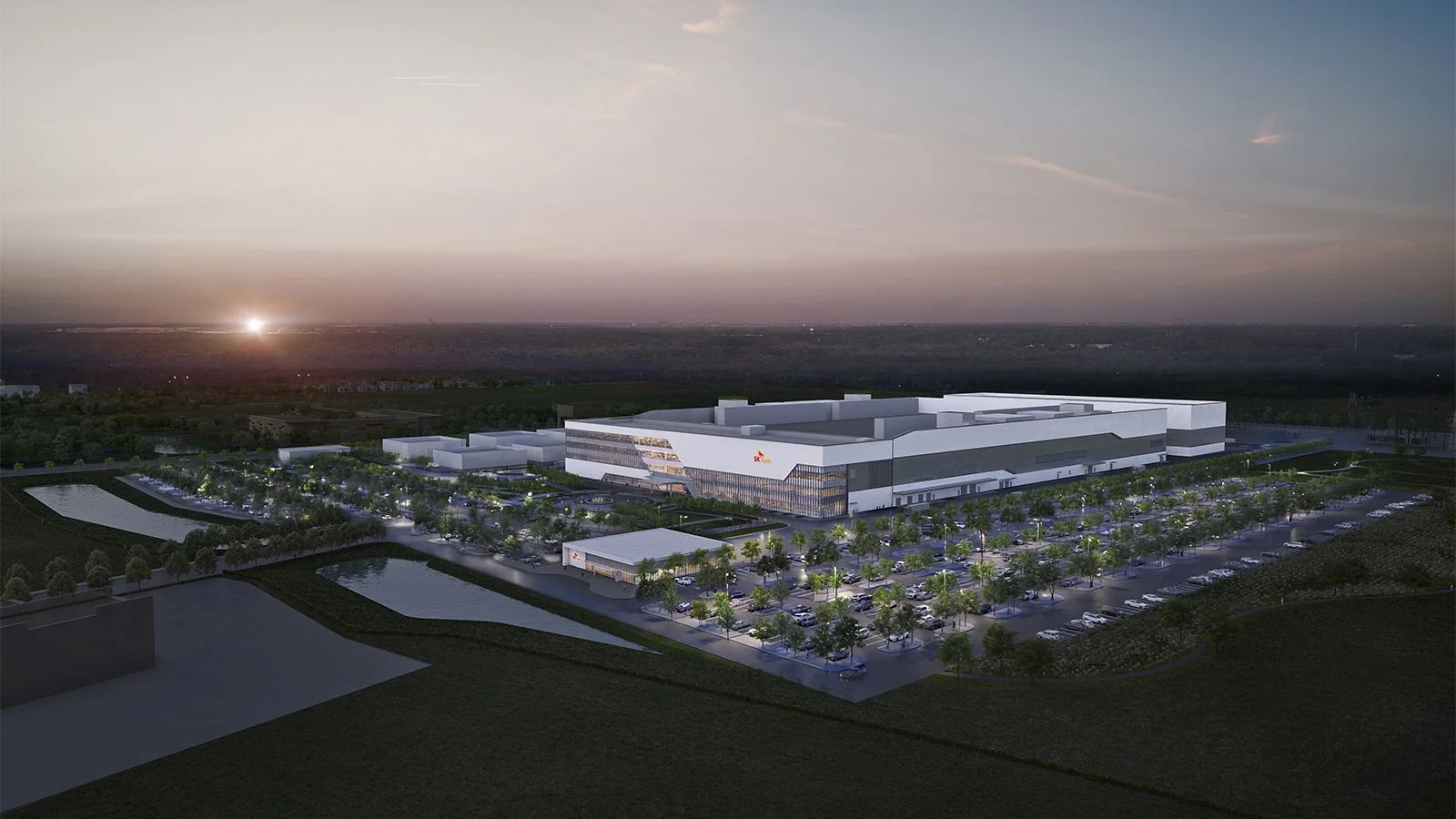
SK hynix announced that it had decided to abandon plans for a potential initial public offering of Solidigm, its U.S.-based enterprise SSD subsidiary, citing unfavorable stock market conditions and semiconductor share price trends. At the same time, SK hynix confirmed it plans to build a new fab for Solidigm in the U.S. to address growing demand for enterprise SSDs. Although an IPO could have helped finance a new fab, SK hynix stated that its subsidiary’s expansion remains a priority.
Solidigm specializes in high-capacity data center storage based on floating gate 3D QLC NAND memory. As artificial intelligence infrastructure deployments accelerate, demand for high-capacity storage increases, whereas Solidigm's existing manufacturing capacity is barely sufficient to address projected needs. Consequently, SK hynix believes that Solidigm requires additional production facilities in the United States, although it has yet to disclose the planned fab's capacity, investment requirements, or construction schedule.
Financing Expansion and Market Volatility
SK hynix had considered multiple options, including direct investment, a pre-IPO funding round, and an initial public offering to finance capacity expansion. An IPO would have enabled the company to raise capital from outside investors without taking on additional debt and could have revealed the true value of the subsidiary. In addition to financing the expansion, proceeds could have been used for dividends, share repurchases, and share cancellations.
However, SK hynix noted that increased market volatility and the ongoing correction in semiconductor stocks made an offering less attractive. The company believes that current market conditions would prevent Solidigm from achieving a valuation that adequately reflects its growth prospects, prompting the cancellation of both pre-IPO financing and the public offering.
Internal Funding and Profitability
Constructing a modern 3D NAND fab requires substantial capital, raising questions about abandoning a major financing mechanism while enterprise SSD demand sits at record highs. External financing could otherwise reduce the burden on the parent company's balance sheet and preserve capital for other projects.
One possible explanation involves Solidigm's strong profitability in an exclusive product segment. If extraordinary margins remain sustainable, operations could substantially boost consolidated profitability and generate cash for future investments. SK hynix could potentially finance the manufacturing expansion through a combination of internally generated cash and debt without diluting ownership, retaining full control of a highly profitable subsidiary.