The Offshore Lease Agreement
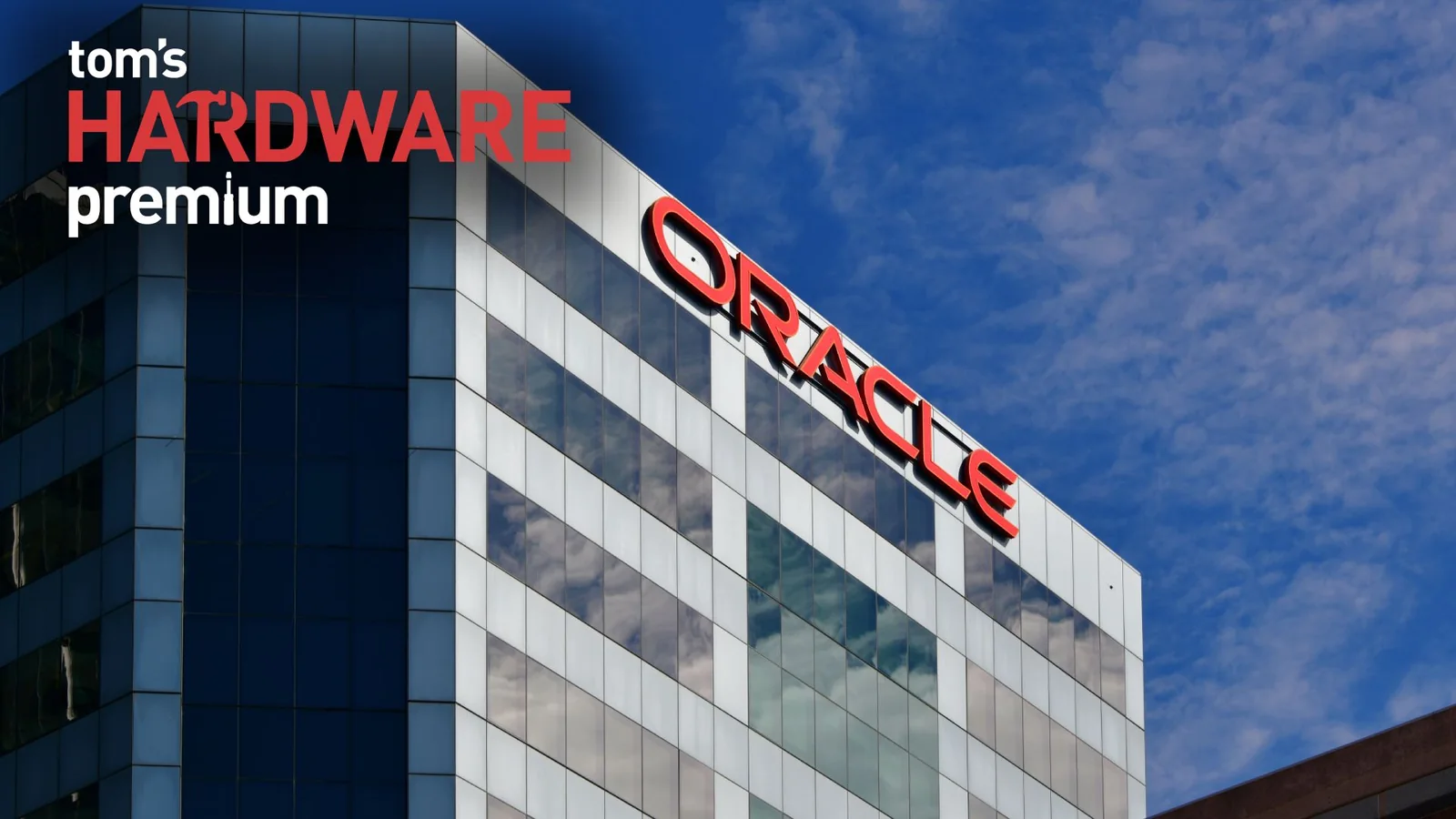
Oracle has reportedly made a deal with Tencent for a five-year lease at several Oracle data centers in Southeast Asia, covering about 100,000 advanced AI chips unavailable in China. The deal is estimated to be worth about $7 billion, which would come out to about $1.60 per chip per hour over five years, with about 30% upfront, according to a report by the Financial Times. The deal lands as compute rental prices continue to climb, per Chief Strategy Officer James Mitchell on Tencent’s August earnings call. Neither company has commented on the report, but such leases are legal under current U.S. rules, per the report.
The estimated chip-hour price is around 43% less than the roughly $2.80 per GPU-hour for Nvidia’s H100 with a one-year contract, per research firm SemiAnalysis. It’s also about 48% lower than the $3.09 per GPU-hour for a three-year contract with Nvidia’s B200, per a filing by Japanese data center operator Datasection for an unnamed customer. Market trends have pricing running the other way, with reports of longer terms and larger upfront payments for such leases. Tencent president Martin Lau said on the same call the company could sell its existing orders at more than 30% profit compared to what it paid just a few months ago.
No specific chips have been officially named. Reports indicate that such leases could reach even Nvidia’s top processors, but that does not necessarily mean this deal involves Nvidia hardware. One-year H100 contracts on industry indexes were above the estimated rate at about $1.70 per GPU-hour, with the B200 rate being even more expensive despite its longer, three-year term. Going by raw B200 server costs, which exclude buildings, power, networking, and financing, 100,000 B200s would cost $5.44 billion, or about 78% of the reported value, based on Datasection’s previous purchase of servers with 5,000 B200s for $272 million.
Without specifics on the hardware being rented, it is not possible to determine whether this is a bulk deal or if the leasing costs are closer to the actual hardware cost. The pricing on paper, however, better fits Hopper-class at volume. Hopper would include the H100 and H200 and, with H200 imports still limited, could meet the criterion of the chips in the deal not being available in China.
Infrastructure and Geographic Footprint
The Oracle data centers are located outside China, with Tencent merely renting time on them. Details including the countries involved, sites, and start date remain undisclosed. Oracle has two Singapore cloud regions, with a Malaysia region announced. Reports indicate that the biggest clients of Southeast Asian data centers are ByteDance and Alibaba, with Chinese firms using the capacity especially for AI training, which domestic chips cannot yet handle. Tencent previously inked a $1.2 billion-plus deal for Datasection Blackwell rentals in Japan and Australia.
Some Oracle clients have prepaid for GPUs or brought their own hardware since the company's March call, adding significant AI contracts, mostly of those two kinds. Deferred revenue has risen substantially over consecutive quarters. No customers were named in those financial disclosures, preventing a direct link to Tencent. Oracle has reported extremely high GPU utilization during its earnings calls, with renewals commanding average premiums mostly on older hardware.
Tencent prepaying about 30% aligns with Oracle’s statements earlier in the year. The arrangement benefits both parties by improving Oracle’s cash flow following a quarter of negative free cash flow, while Tencent Cloud’s price increases could help recoup the cost of the rented chips.
Regulatory Landscape and Export Controls
The legal picture, given the friction between the United States and China over AI export controls, remains complex. The Remote Access Security Act, a bipartisan bill passed by the House, would give the U.S. government the right to regulate remote cloud access to sensitive technology, which could potentially cover the chips under the reported deal. The legislation specifically targets cloud loopholes and applies to foreign persons to prevent adversaries from leveraging cloud networks to bypass U.S. export bans.
Separately, Export Administration Regulations license requirements under the Department of Commerce’s Bureau of Industry and Security have covered shipments of advanced AI chips to China-headquartered companies abroad. Cloud rentals were initially left out, making renting a primary loophole around restrictions on restricted chips. Regulatory bodies have been actively reviewing offshore access and legal rental frameworks, though the deal is not barred merely by corporate listings.
Reports indicate that the Department of Commerce is drafting a rule to block Chinese firms from renting compute in third countries, such as Thailand and Singapore, which would align with the reported details of this deal. Government leaders have continued high-level diplomatic talks covering AI policies and trade truces.
While the deal is of a type that might face challenges from both congressional legislation and proposed commerce rules, the latter cannot be enforced under current law according to trade attorneys. While the U.S. has cleared some firms, including Tencent, to acquire certain Nvidia hardware, domestic access within China remains tightly restricted, leaving international cloud leases as a critical avenue for scaling AI infrastructure.
The reported deal arrives ahead of upcoming corporate investor events and quarterly earnings reports, which may provide further clarity and official confirmation regarding the exact hardware configurations and structural details of the agreement.