The State of Custom PCs
With component price increases and supply constraints happening simultaneously, this is a challenging time to build a PC from scratch. If you have a rig that meets your needs at the moment, current prices make you more interested in keeping it running than considering major upgrades. But a closer look at recent trends reveals glimpses of the PC-building future, split between tinkering with alternative parts and ultra-premium builds.
Repurposing Hardware
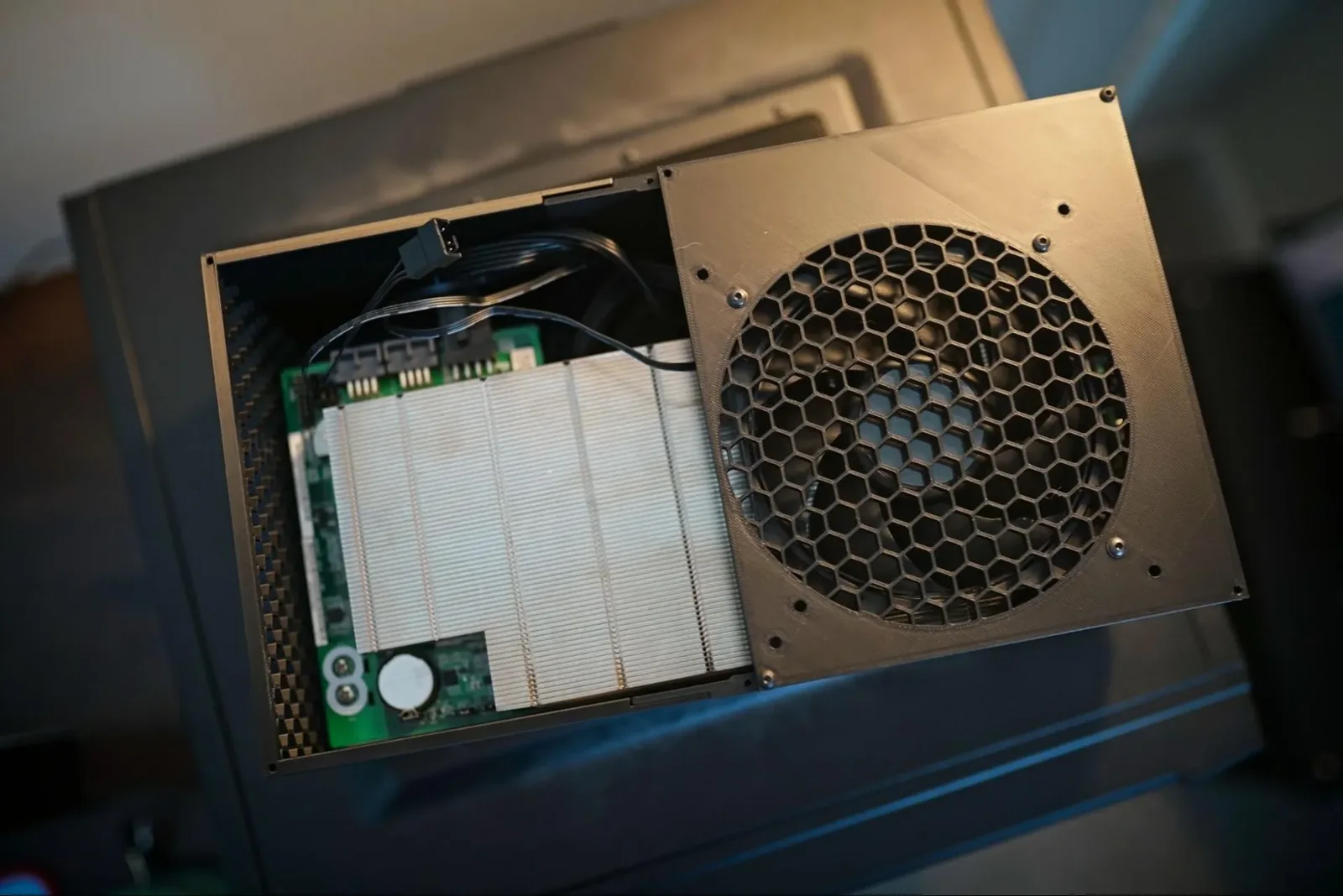
AMD’s BC-250, a 2021-era APU that started off as cut-down PS5 silicon repurposed as a cryptomining card, has found a new audience. A community-developed BIOS and drivers have turned this custom hardware into a Linux-based gaming system costing roughly half the price of a similarly configured mainstream setup. It comes with 16GB of shared GDDR6, sidestepping current RAM pricing issues. Sourcing the card from alternative marketplaces and flashing the board requires technical effort, but it showcases the potential of hardware repurposing.
This kind of community-led hardware enhancement echoes earlier eras of enthusiast tinkering, such as unlocking CPU multipliers. As hardware development continues, communities will likely continue figuring out how to get discarded or alternative silicon to run games and compute tasks, giving budget buyers options for reasonable performance.
The Luxury PC Market
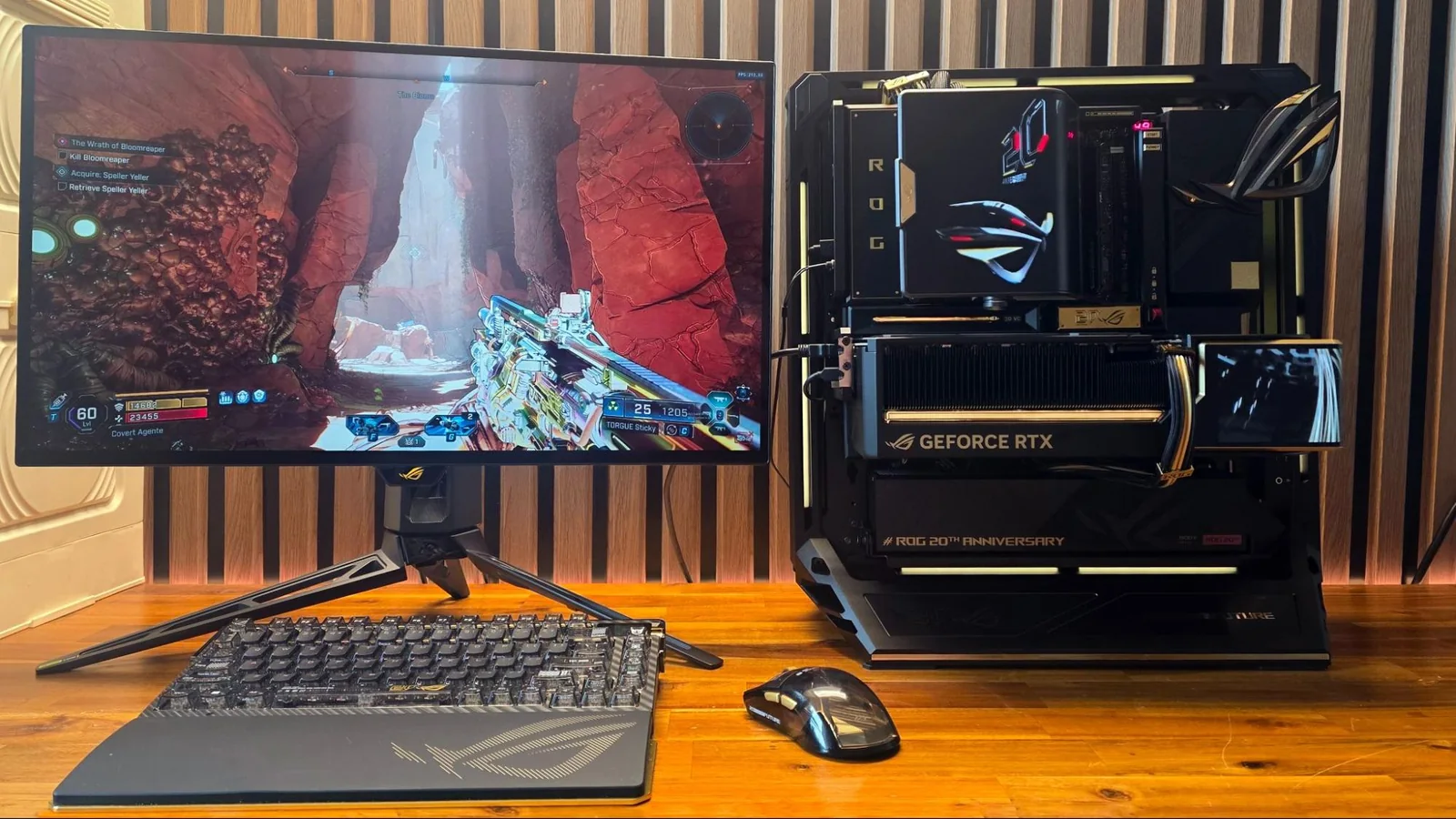
On the other end of the price spectrum, anniversary hardware lines like Asus' ROG Edition 20 ignore affordability entirely, celebrating two decades of the sub-brand with premium materials and gold accents. Finished builds featuring high-end motherboards, custom cooling, and flagship GPUs like the RTX 5090 can easily cost $15,000 to $20,000. While expensive, the luxury PC market has existed for decades and continues to serve enthusiasts who will pay whatever it takes to own top-tier performance.
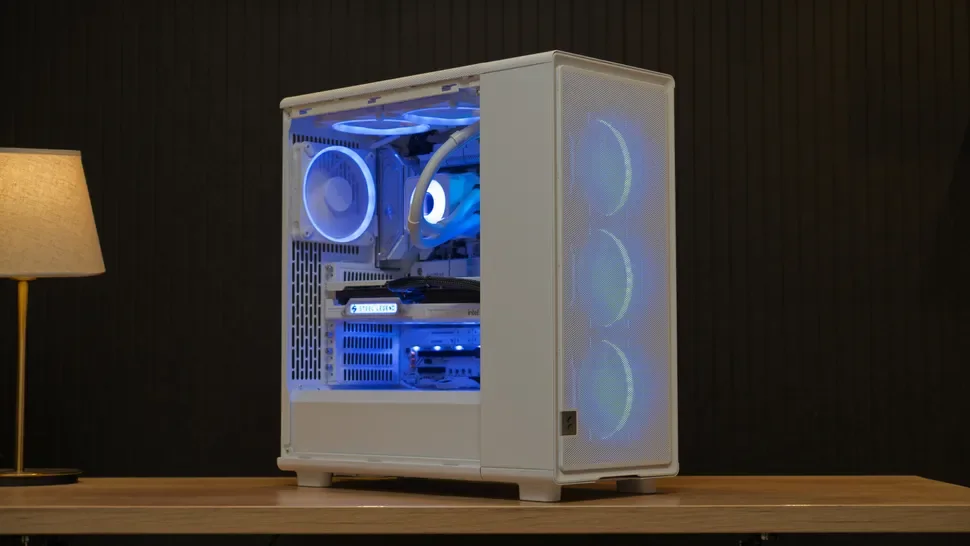
Mainstream Challenges
The mainstream PC gaming market faces tougher hurdles. Buyers looking for sub-$2,000 systems that work without tinkering may increasingly lean toward consoles, gaming laptops, handhelds, or console-like PCs. While manufacturers extend the lifespan of platforms supporting last-gen DDR4, older memory is not getting cheaper, and testing shows DDR4 increasingly holds back gaming performance.
Alternative memory makers often prioritize supplying high-margin AI hyperscalers over consumer markets. Even if memory prices stabilize, GPU costs continue to climb alongside storage pricing issues for SSDs and hard drives.
Software and Evolution
Advancements in AI upscaling and VRAM management will likely make modern gaming viable on older or current-gen cards with limited VRAM before hardware prices drop significantly. The PC hobby has continually adapted through smartphone revolutions, soldered laptop components, and shifting media formats. While building and gaming must evolve to survive current market pressures, demand for PC gaming remains robust.