TP-Link Archer 8 Ultra: One-minute review
It has taken quite a while for Wi-Fi 7 to become a mainstream technology, but TP-Link has introduced the first Wi-Fi 8 router in the imposing form of the new Archer 8 Ultra.
Although technical details for Wi-Fi 8 are still being finalized, the core features of the new standard are well known, allowing manufacturers to prepare hardware ahead of wider adoption. Additional mesh routers and range extenders utilizing the standard are also planned.
A state-of-the-art router featuring Wi-Fi 8 serves as heavy overkill for most residential users, given that the tri-band architecture and top speed of 19Gbps far exceed typical home broadband offerings.
While it carries a premium price tag, the hardware provides an early look at the innovations shaping the next generation of wireless technology.
TP-Link Archer 8 Ultra review: Price & release date
The router is available for pre-order at £699 (approximately $950), with the standard retail price increasing to £899.99 (approximately $1,199) following launch.
It was officially released on November 15, 2026, across the US, EU, and UK markets.
Availability spans major regional channels, though pre-order incentives offer early buyers a discount relative to the standard MSRP.
With no direct rival Wi-Fi 8 routers currently on the market, pricing places the device at roughly double the cost of high-end current-generation Wi-Fi 7 alternatives.
Early pricing reflects the nascent stage of the technology, positioning the hardware firmly in the enthusiast segment.
Value score: 4 out of 5.
TP-Link Archer 8 Ultra review: Design
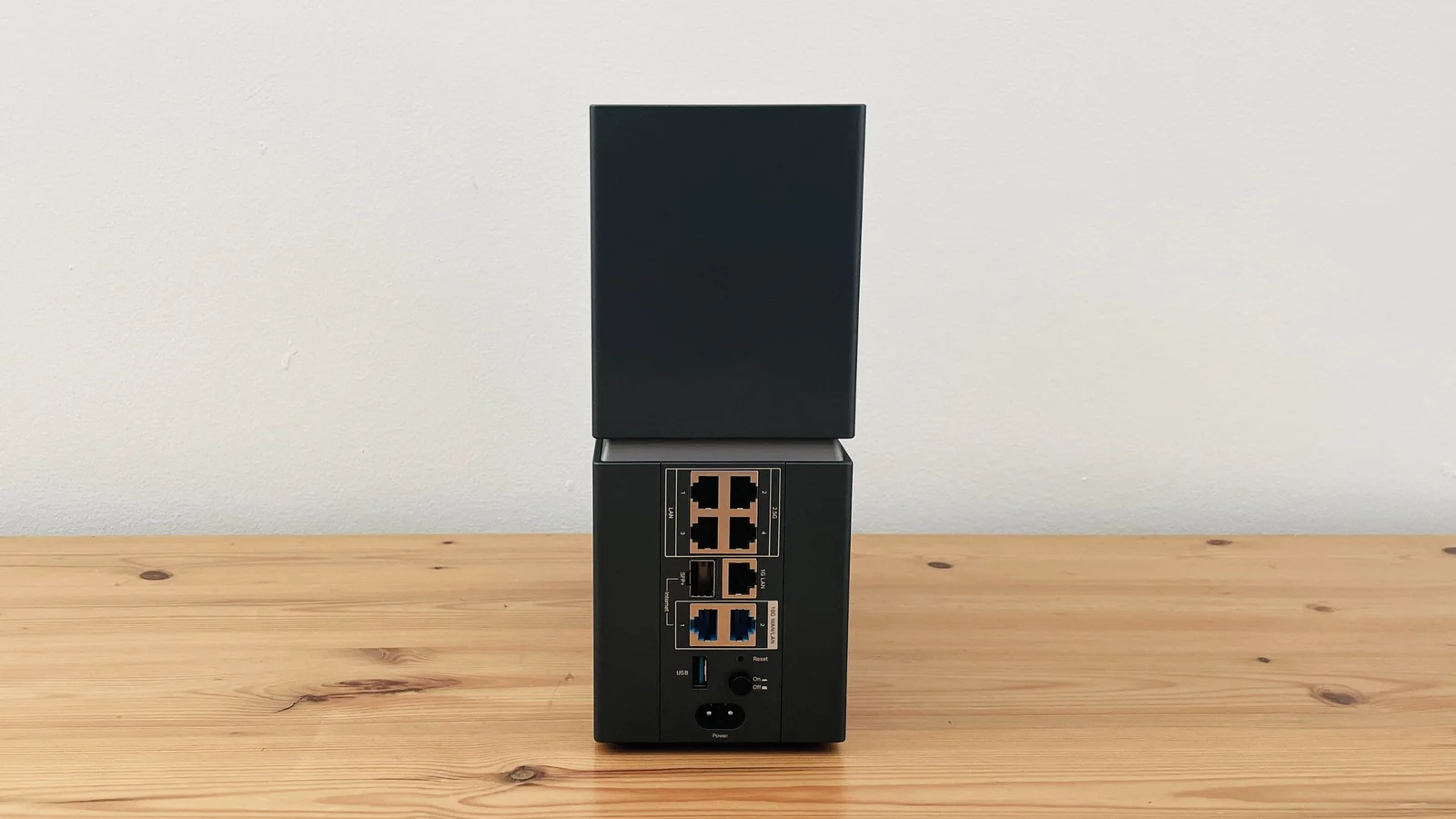
The hardware features solid build quality and an extensive array of physical connection ports.
The companion management app is straightforward and easy to navigate for everyday users.
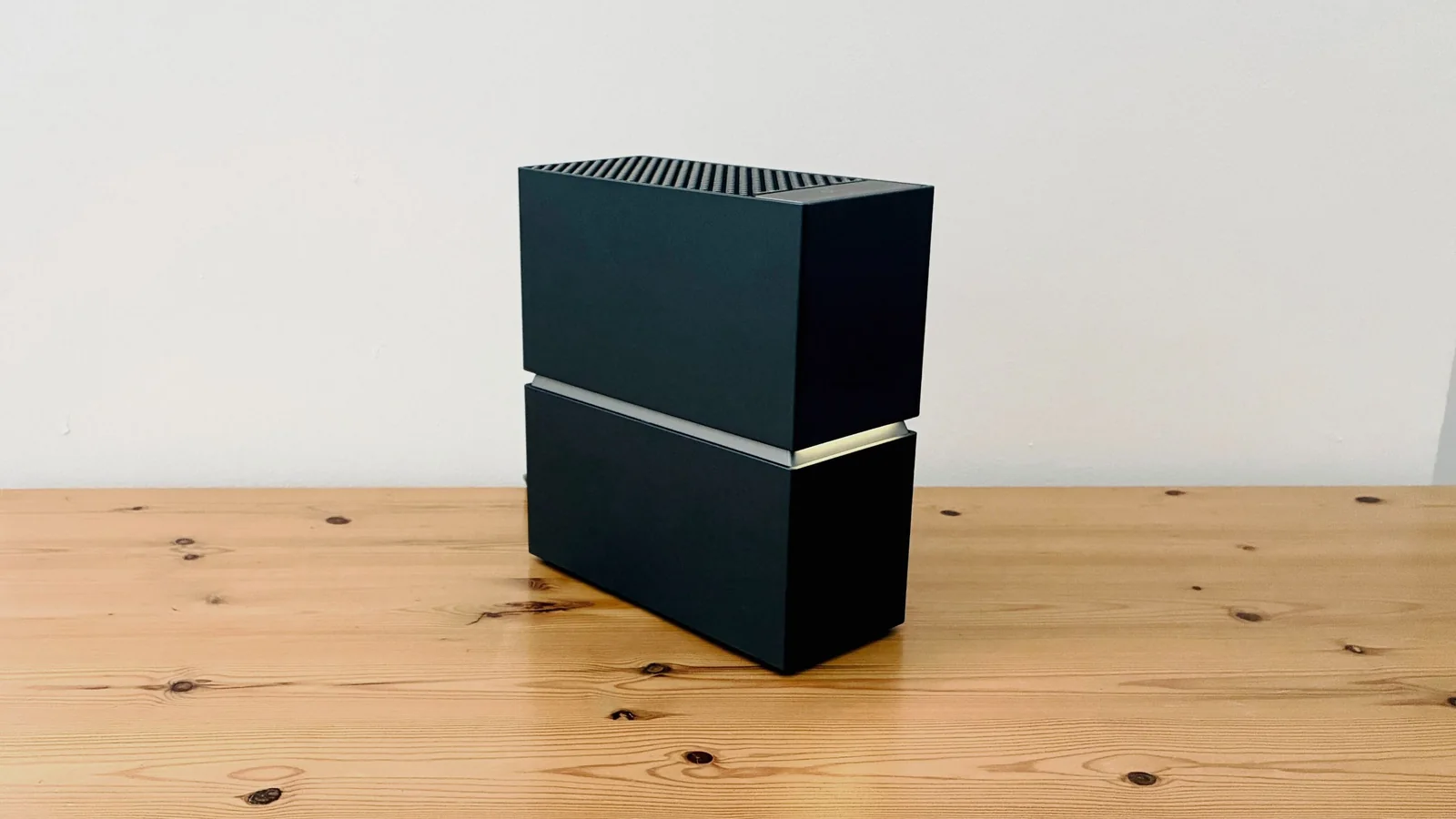
Because Wi-Fi 8 emphasizes extended range and signal penetration, the physical chassis is built like a tank.
The matte-black tower stands 245mm high, 98mm wide, and 226mm deep, housing 18 internal antennae to distribute wireless signals efficiently.
Connectivity options include two 10Gbps ports capable of handling ultra-fast fiber connections or high-performance wired local area network setups for PCs and consoles.
Four additional 2.5Gbps ports and a single 1Gbps port round out the wired networking capabilities.
TP-Link’s Tether app streamlines initial setup via a QR code scan, defaulting to a segmented network architecture that separates high-speed 6GHz traffic from legacy bands.
Advanced users can access a comprehensive web browser interface for granular configuration control.
Design score: 5 out of 5.
TP-Link Archer 8 Ultra review: Features
The new standard introduces advanced acronyms such as MAPC, ELR, and DRU, designed to shift focus from raw peak throughput toward enhanced range and reliability in crowded environments.
While the 19Gbps rating is impressive, it does not exceed the maximum theoretical speeds possible with top-tier Wi-Fi 7 hardware.
Operation across familiar 2.4GHz, 5.0GHz, and 6.0GHz bands ensures full backwards compatibility with existing client hardware.
Hardware enhancements allow a single unit to cover up to 3,600 square feet, depending on regional regulations.
Support for up to 200 concurrent devices and a dedicated Multi-Floor Mode make the system suitable for multi-level homes and offices.
Features score: 5 out of 5.
TP-Link Archer 8 Ultra review: Performance
The router delivers tri-band Wi-Fi 8 operation, though client device support remains scarce.
Testing with Wi-Fi 7 compatible laptops demonstrated excellent results across standard frequency bands.
The source reviewer noted that while native Wi-Fi 8 client hardware is rare, testing with existing Wi-Fi 7 laptops verified robust performance characteristics.
Network signals successfully penetrated difficult areas, maintaining maximum speeds during large file downloads and speed tests across distant rooms.
Signal stability remained consistent when moving between zones.
Although the 6GHz band typically suffers from limited physical range, the hardware maintained strong throughput across distant office spaces.
While widespread adoption is still developing, the router offers a functional look at future connectivity standards.
Performance score: 5 out of 5.
Buy it if…
You are an early adopter looking to deploy next-generation networking hardware ahead of mainstream device compatibility.
You manage an expansive home or large venue requiring extensive single-router coverage up to 3,600 square feet.
You require robust multi-device handling for commercial or high-density environments.
Don’t buy it if…
You are operating on a strict budget, as high-end Wi-Fi 7 alternatives deliver strong performance at a fraction of the cost.
You live in a modest apartment or small home that does not require extended range capabilities.
You only require basic streaming and web browsing capabilities.
Also consider
D-Link Aquila Pro AI R95 offers a more mainstream Wi-Fi 7 option with competitive pricing.
Netgear Orbi 373 provides multi-router mesh coverage suitable for very large properties.