Regulatory Pressures
TP-Link is seeking to resolve regulatory pressure from the U.S. government regarding its historical roots by announcing a letter of intent to assemble routers in the U.S. through a partnership with Key Tronic, addressing administration goals for domestic manufacturing and job creation.
How did we get here?
The regulatory scrutiny began in late 2024 when congressional committees requested investigations into TP-Link, citing security concerns over hardware usage on U.S. military bases and allegations of data transmission back to China.
Congressional pressure intensified through 2025 as multiple lawmakers petitioned the Commerce Department to restrict the company's hardware sales and add the manufacturer to restricted lists due to alleged ties to the Chinese government.
The Federal Communications Commission added TP-Link and other foreign router manufacturers to its Covered List in March 2026, restricting unapproved foreign-produced networking hardware over security risks related to cyber attacks and infrastructure vulnerabilities.
While competitors like Amazon, Asus, and Netgear secured conditional FCC approvals to sell new wireless gear, TP-Link's Wi-Fi 8 products were excluded from U.S. markets, forcing the company to launch hardware preorders exclusively in regions like the United Kingdom, Germany, and Australia.
Legal challenges expanded further when multiple state attorneys general, including those in Florida, Montana, Iowa, and Nebraska, filed lawsuits against TP-Link Systems over alleged misleading security claims and ongoing foreign connections.
State officials argued that consumers faced network vulnerabilities due to unpatched older hardware and a lack of ongoing security support for certain deployed models.
Critics also pointed out discrepancies between the company's reported U.S. headcount and the scale of its overseas research and manufacturing operations.
State-level authorities maintained that consumer data privacy and critical infrastructure protection necessitated strict accountability measures for hardware vendors.
TP-Link Responses and Defense
TP-Link has consistently denied ties to foreign governments and recently issued formal rebuttals to the FCC, criticizing state-level legal actions as an attempt to impose unattainable regulatory standards.
The company characterized the coordinated state filings as a barrage of baseless claims designed to hinder its pending federal applications rather than advance genuine policy objectives.
TP-Link asserted that its market leadership was earned through technological innovation and warned that ongoing legal disputes threaten fair market competition.
The manufacturer formally requested conditional FCC approval to bring next-generation Wi-Fi 8 routers to American consumers alongside international markets.
Manufacturing Alliance and Future Outlook
To satisfy domestic production demands, TP-Link signed a letter of intent with Key Tronic to shift router assembly operations from Vietnam to Corinth, Mississippi.
TP-Link Systems CEO Jeffrey Chao stated that the agreement demonstrates a firm commitment to expanding domestic advanced manufacturing and supporting U.S. high-tech job growth.
Whether this billion-dollar investment will sufficiently alleviate federal and state regulatory roadblocks for upcoming Wi-Fi 8 hardware remains to be determined.
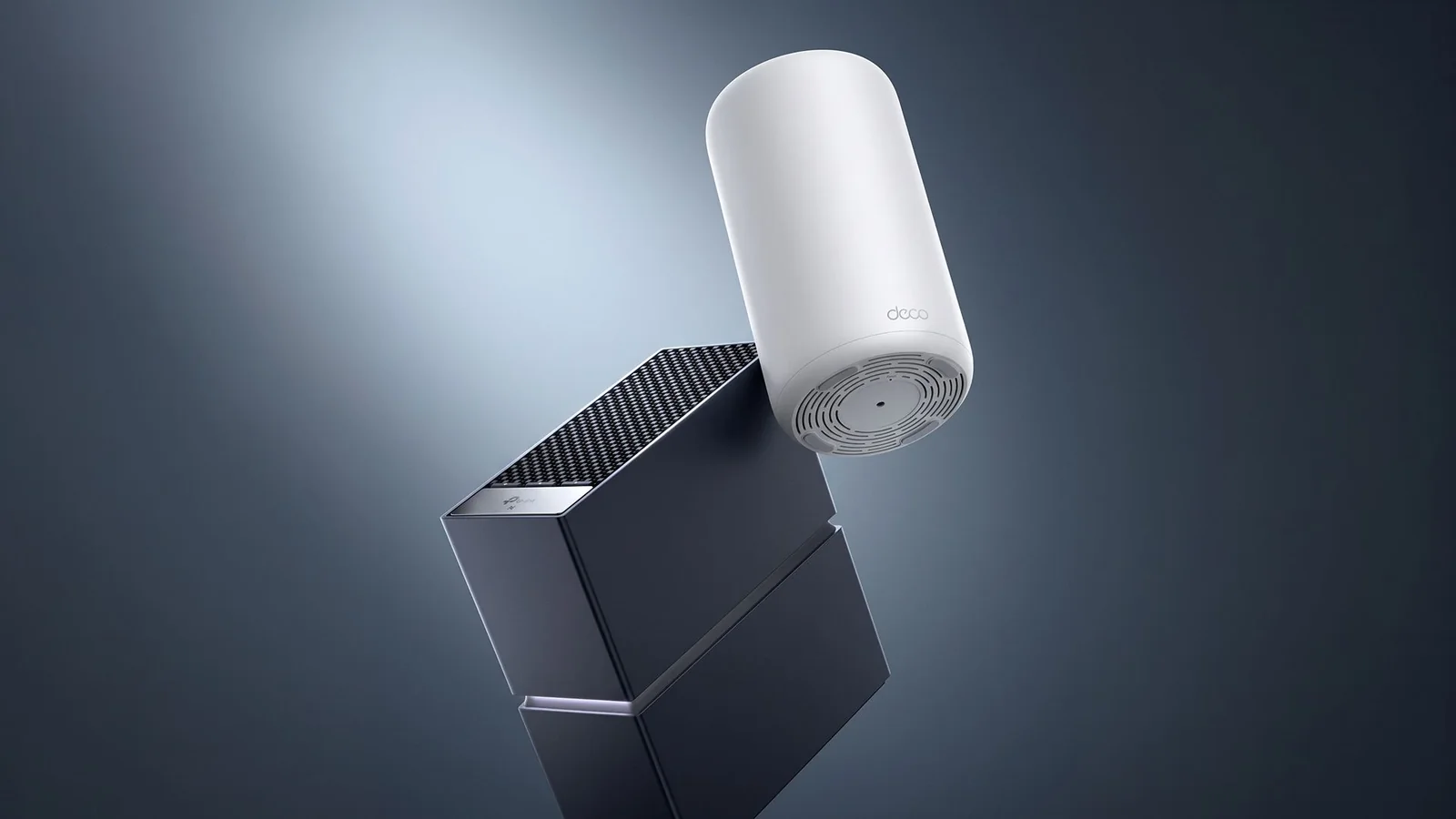
Until approvals are granted, advanced products such as the Archer 8 Ultra and Deco 8 Ultra remain unavailable to domestic buyers.