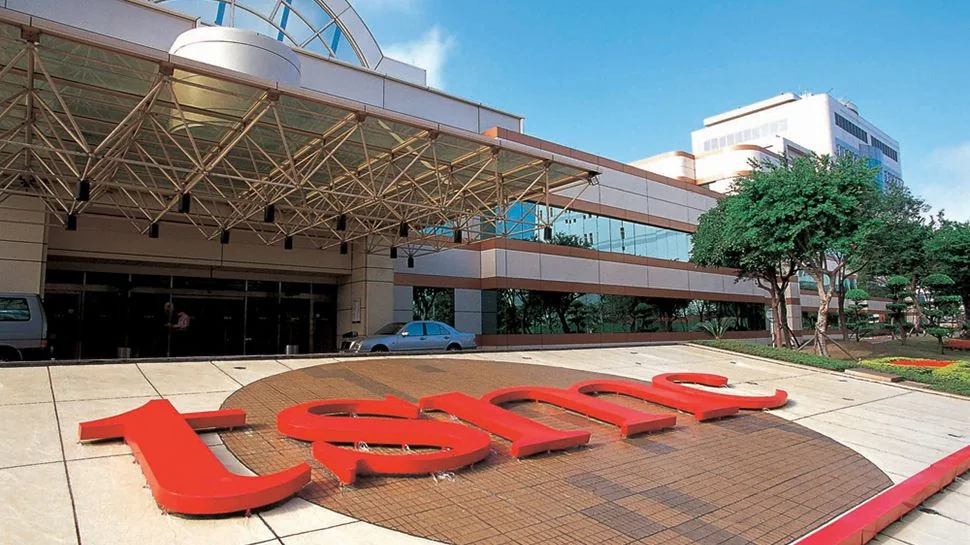
TSMC Responds to Reports
A recent report suggested that TSMC is exploring 3D DRAM production at Nvidia's request as surging demand for AI hardware strains global DRAM supplies and drives up prices. If the proposal were to come to fruition, it could mean a new business for TSMC and could dramatically expand its role in the AI supply chain. For its part, TSMC states that it is a pure-play logic foundry and plans to remain a logic foundry, which essentially means a denial of the report.
Please note that TSMC focuses on our core business at all times, which is a dedicated IC foundry, a company spokesperson stated. Our mission is to be the trusted technology and capacity provider of the global logic IC industry for years to come.
Despite the denial, sources familiar with the initiative indicated that TSMC has begun preparing plans for 3D DRAM manufacturing following a request from Nvidia, its largest customer. The initiative is reportedly overseen by TSMC’s vice president responsible for advanced packaging and former head of Micron’s Taiwanese operations. The effort comes amid widespread memory shortages that turned memory into a strategic asset.
Manufacturing Challenges
Although TSMC works closely with DRAM producers as it packages memory into system-in-packages for its customers, the company lacks the expertise and production capacity to make DRAM, let alone 3D DRAM. Meanwhile, given that 3D DRAM is years away even for major memory makers, pursuing a 3D DRAM strategy cannot solve memory shortages for at least five years.
Unlike conventional DRAM, which arranges memory cells in a single plane, 3D DRAM places multiple levels of memory cells vertically to increase capacity per wafer. All three leading DRAM makers are working on their 3D DRAM projects. However, industry roadmaps include several more planar DRAM process technologies before 3D DRAM becomes a reality.
While TSMC has advanced logic process technologies, DRAM production requires entirely different manufacturing processes, which TSMC would have to develop. Producing 3D DRAM requires completely different fabrication techniques to construct multiple memory-cell layers while controlling defects and maintaining acceptable yields.
Strategic Alternatives
One potential route for entering the DRAM business would be to acquire a small specialty memory producer with its own fabrication capability. However, small makers do not lead in commodity DRAM nodes, meaning TSMC would still need to invest heavily in developing a leading-edge process technology for memory from scratch.
Market Risks and Competition
Entering DRAM manufacturing would expose TSMC to substantial market risks, as memory shortages frequently encourage capacity expansions that create oversupply, depressing prices and profitability. Furthermore, entering the DRAM business could complicate TSMC's relationship with large DRAM makers, particularly partners that manufacture logic base dies for next-generation products.
TSMC’s potential entry into DRAM manufacturing could also raise antitrust questions, particularly if the company combines its dominant position in leading-edge logic manufacturing, advanced packaging, and memory production. Regulators could examine whether such vertical integration would disadvantage competitors.
Yet, TSMC does not necessarily need to manufacture DRAM to capitalize on growing demand for advanced memory. Instead, it could capture a larger share of the value by producing sophisticated logic base dies for high-bandwidth memory, integrating memory with processors using hybrid bonding technology, and developing customized memory solutions with established partners.