Additive Manufacturing for Defense
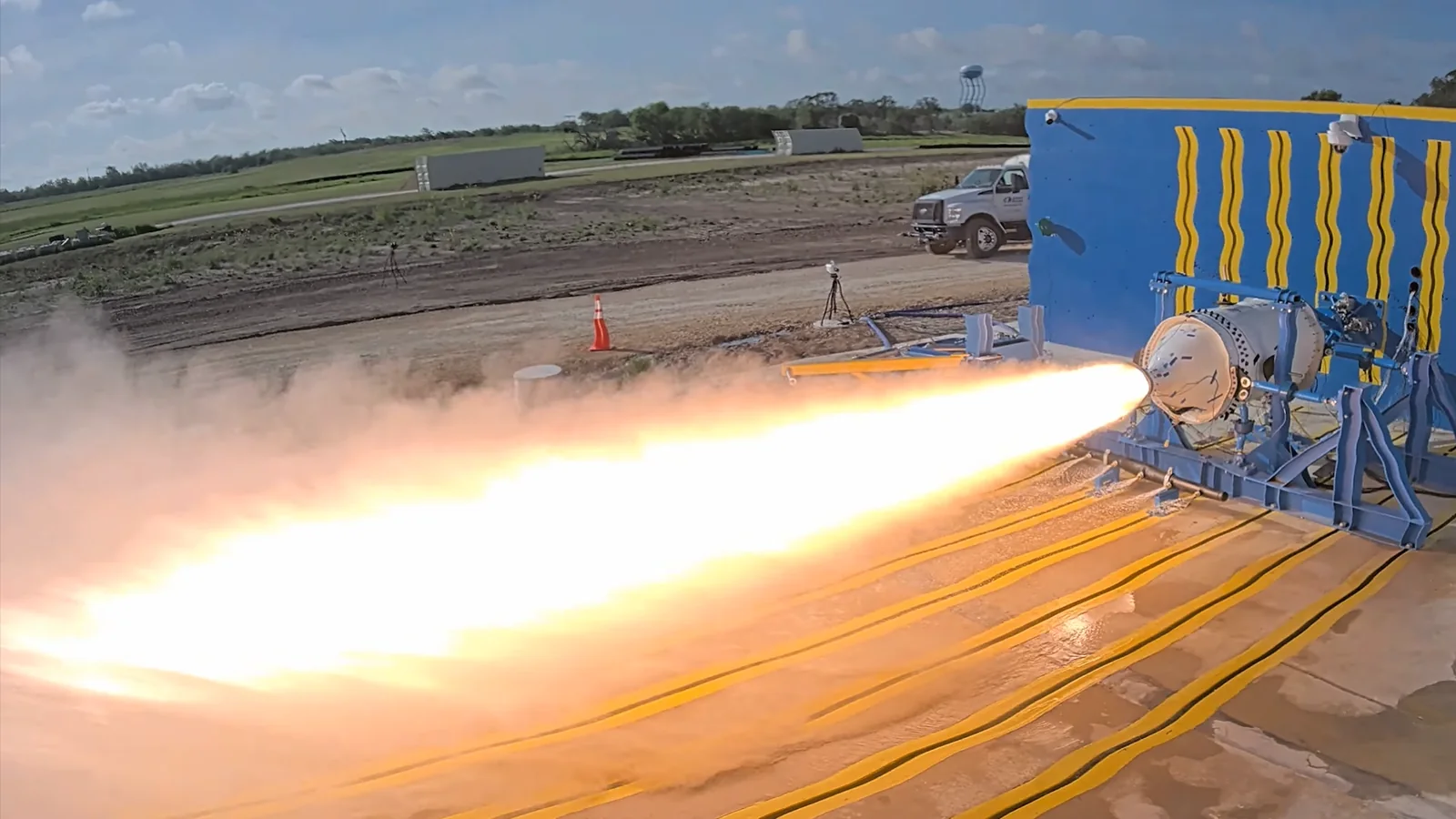
X-Bow Systems, a solid rocket motor manufacturer specializing in additive manufacturing, has secured a deal with Leidos to develop and build rocket boosters for the U.S. Army’s Low-Cost Containerized Munition project. The LCCM is part of defense initiatives aimed at rebuilding the United States’ defense industrial base.
“Modern conflict is decided by how many rounds you can put downrange, not how exquisite each one is,” X-Bow founder and CEO Jason Hundley said. He added that collaborating with Leidos would allow the firm to turn out combat-ready rocket motors at production scale quickly. Founded in 2016, the company has produced over 2,100 combat-ready rocket motors.
Benefits of 3D-Printed Rocket Motors
While conventional manufacturing methods still offer several advantages, 3D printing is more effective when dealing with the complex geometries that some solid rocket motors require. It is also a faster solution for design iterations, allowing engineers to create and build new configurations in days instead of the months or years required by traditional defense contractors.
Other organizations have also been experimenting with 3D-printed propulsion systems. Chromatic 3D Materials completed a successful static-fire test of its 3D-printed rocket propellant, and an Indian startup demonstrated a cryogenic rocket engine.
Broader Military Applications
Additive manufacturing is expanding across various military sectors. A different startup secured a contract to prototype 3D-printed jet engines for drones, while the U.S. Navy has started printing drones and parts aboard aircraft carriers.
Recent conflicts have demonstrated that innovative manufacturing techniques can help smaller forces scale production efficiently, prompting major militaries to adopt these technologies for more cost-effective weaponry.