The PC Hardware Crisis
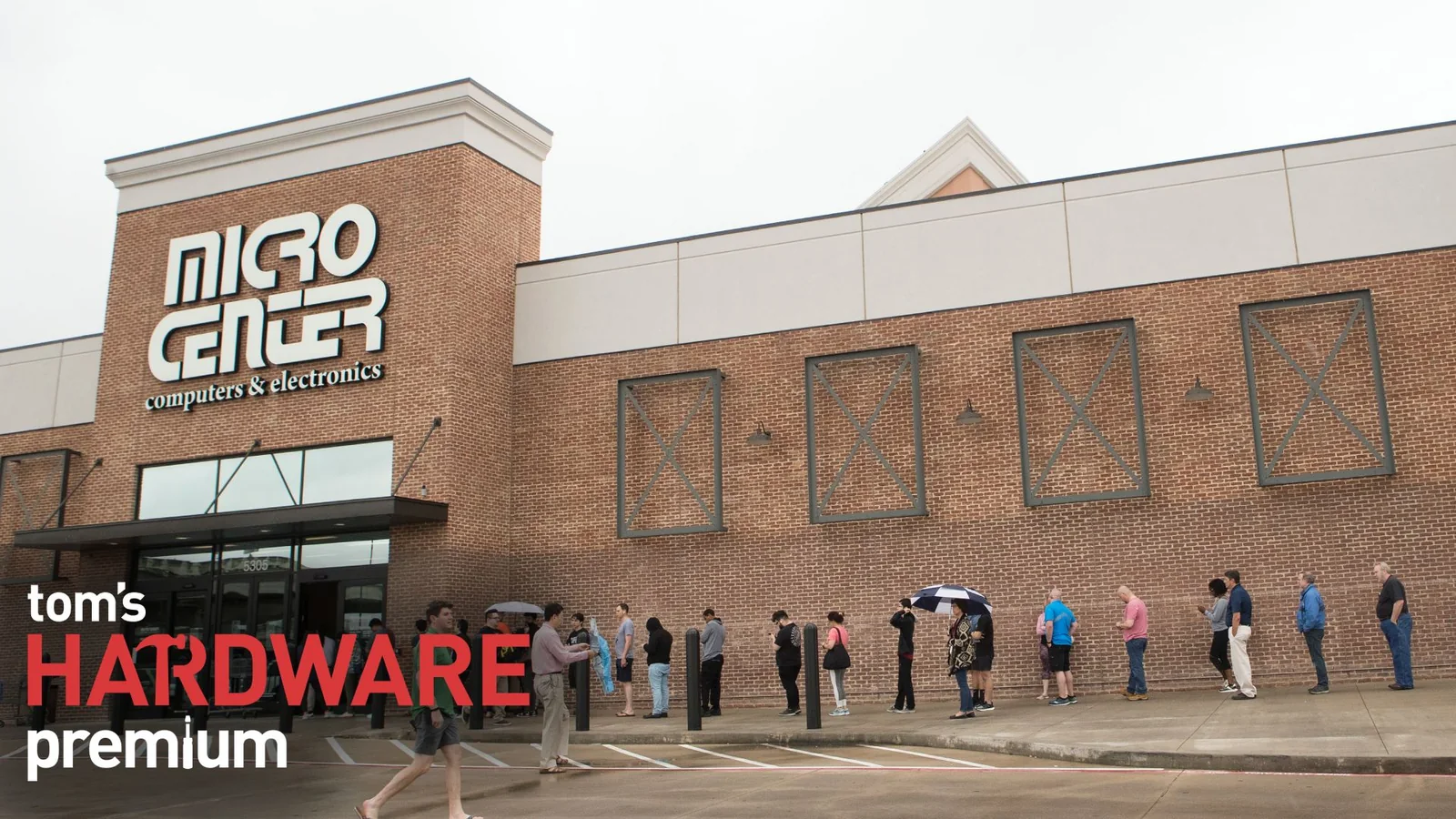
The rising costs of components have led to a crisis in the consumer PC market. Prices on standard kits of DDR5 are through the roof, NVMe SSD prices are higher than ever, and worst of all, GPUs are also affected by the AI-driven onslaught. But when shopping around for reasonable prices, there might be a better solution than Newegg, Amazon, and Best Buy if you’re lucky enough to live near one of Micro Center’s physical U.S. locations.
In the current climate, choice has been severely limited when it comes to upgrading or building a new PC. Many components are out of stock or at eye-watering prices. The same goes for trying to construct a budget PC build, as there just aren’t any cheap components anymore, apart from certain parts like AM4 CPUs. High-end hardware is severely inflated; the cheapest Nvidia RTX 5090 gaming GPU available online reaches extreme levels due to third-party markups and reported supply shifts toward AI hardware.
When spending that kind of money, relying on suspicious third-party online sellers carries significant risk without proper return or replacement guarantees. Original launch MSRPs feel like a distant memory as the next generation of consumer graphics hardware remains far on the horizon.
The Micro Center Advantage
Amid a climate that feels hostile to enthusiasts, physical retail offers a small bastion of defiance. Should you be lucky enough to live within driving distance of a store, you have another option for finding PC hardware at prices much lower than major online vendors, though brick-and-mortar storefronts require an in-person visit.
In-store inventory at physical locations often features high-end graphics cards priced thousands of dollars cheaper than the lowest available online options from third-party marketplace sellers. That represents a massive price discrepancy, though it remains a major caveat for buyers who do not live near a physical branch.
Online retailers frequently attempt to offset high RAM and storage costs using component bundles, but physical storefronts often undercut these packages with significantly reduced pricing. The main barrier remains geographic availability for the broader enthusiast community.
Comparing Component Bundles
Analyzing a typical DDR5 bundle featuring an AMD Ryzen processor, a modern motherboard, and 32GB of high-speed memory highlights the potential savings. Buying these components individually through standard online parts-picker pricing totals significantly more than the packaged in-store rate.
Comparable combo packages from major online competitors feature similar processors and memory capacities paired with slightly different motherboard tiers, yet still command a noticeably higher overall price tag.
Direct comparisons show that even accounting for motherboard tier variations, physical store pricing remains substantially lower. This makes traveling to a brick-and-mortar location worth exploring, provided buyers factor in travel time and transportation costs.
The Broader Market Outlook
Even though physical storefronts provide an alternative to inflated online pricing, the underlying problem of skyrocketing component costs persists. Memory and NAND prices continue climbing with no end in sight, and major manufacturers pulling out of the consumer market further constricts overall choice and long-term support.
Upgrading older systems to modern memory standards or purchasing current-generation graphics cards remains an expensive proposition. With budget SKUs offering limited VRAM capacities that struggle with modern resolutions, physical retail locations offer the best remaining value for nearby builders.



