Understanding Gaming Audio
Best gaming headset for audiophiles is a common category on hardware recommendation lists, prompting many players to wonder if traditional audiophile headphones provide a superior experience. Headsets focus primarily on audio output, leading to the assumption that audiophile gear naturally delivers the best overall performance.
The reality is more complex.
An objectively top-tier headset by audiophile metrics does not necessarily translate to the best device for gaming standards. Selecting a headset solely based on pure audio reproduction often compromises other vital usability factors.
Audiophile equipment focuses almost exclusively on audio fidelity, reproducing sound precisely as recorded and intended by the artist. While this serves as an objective benchmark for sound quality, it can often sound underwhelming to casual listeners because individual preferences vary widely.
Gaming headsets prioritize alternative factors such as physical comfort, convenience, and communication tools. When they do focus on sound, the goal is making interactive environments sound engaging rather than strictly accurate to the original studio master.
Certain audiophile characteristics do benefit games, such as wide soundstages that enhance virtual environments. However, competitive first-person shooters require directional accuracy to pinpoint specific audio cues like footsteps and gunshots, where absolute studio fidelity is less helpful than tactical clarity.
The right choice depends heavily on individual use cases. Evaluating key performance categories helps clarify whether mainstream gaming hardware or audiophile equipment suits specific setups.
Comfort and Ergonomics
Audiophile models often feature larger drivers and open-back designs to minimize distortion and provide a wider soundstage, which reduces listening fatigue over extended periods. However, they are rarely designed with portable convenience or modern gaming environments in mind.
Gaming headsets frequently utilize closed-back enclosures with smaller drivers, shifting focus toward physical durability and long-term wearability. Features like specialized ear cushions for glasses wearers and flexible headband hinges cater directly to marathon gaming sessions.
Connectivity and Convenience
Mainstream gaming headsets generally outperform audiophile alternatives in convenience. Audiophile headphones typically rely on wired connections and occasionally require dedicated external audio interfaces to function properly with PCs or consoles.
Gaming headsets incorporate advanced technology to simplify multi-platform setups, allowing users to connect to several devices simultaneously, switch seamlessly between sources, and adjust equalizer presets via onboard controls or software suites.
Even wired gaming models frequently include versatile cable options, such as standard analog jacks, USB-C adapters, and dedicated PC splitter extensions to accommodate various hardware configurations.
Conversely, wireless audiophile headsets that support dual connectivity often implement interface logic less smoothly, occasionally forcing priority channels that complicate daily desktop use.
Communication Features
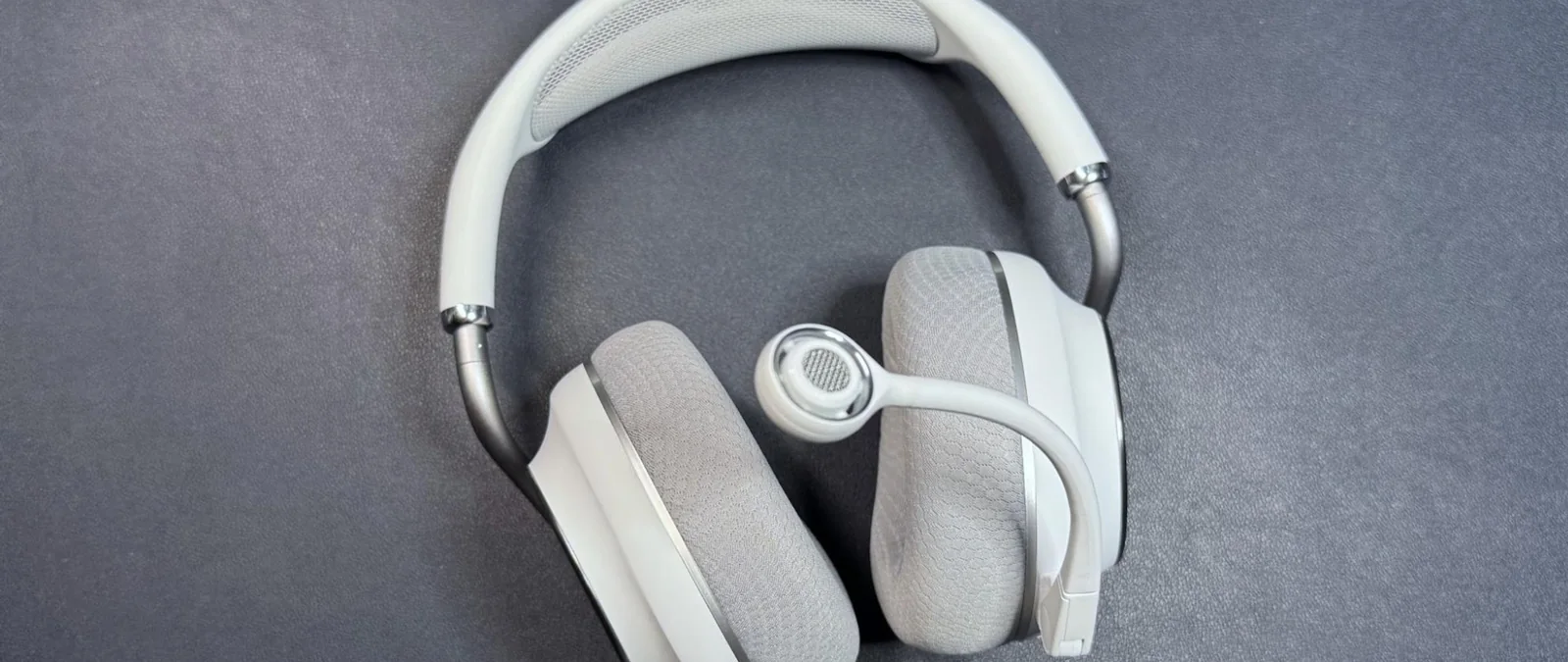
While a dedicated USB desktop microphone usually outperforms integrated headset mics, premium gaming headsets increasingly feature built-in microphones that rival standalone hardware.
Choosing traditional audiophile headphones usually requires purchasing a separate microphone. Furthermore, gaming headsets offer specialized software integration for chat audio mixing, noise reduction, and sidetone adjustment, features largely absent from audiophile products.
Conclusion
Audiophile equipment remains tailored for pure music appreciation, which aligns poorly with the specific demands of modern PC gaming.
While hybrid models from audiophile brands attempt to bridge the gap, they often introduce trade-offs such as excessive weight or a lack of granular positional accuracy needed for competitive play.
High-end audiophile headphones may deliver incredible music reproduction, but their lack of dedicated gaming features makes them inefficient for general PC use.
Opting for a gaming headset ensures access to multi-device connectivity, precise positional audio cues, integrated chat mixing, and physical comfort designed specifically for long gaming sessions.