The Launch of Windows XP
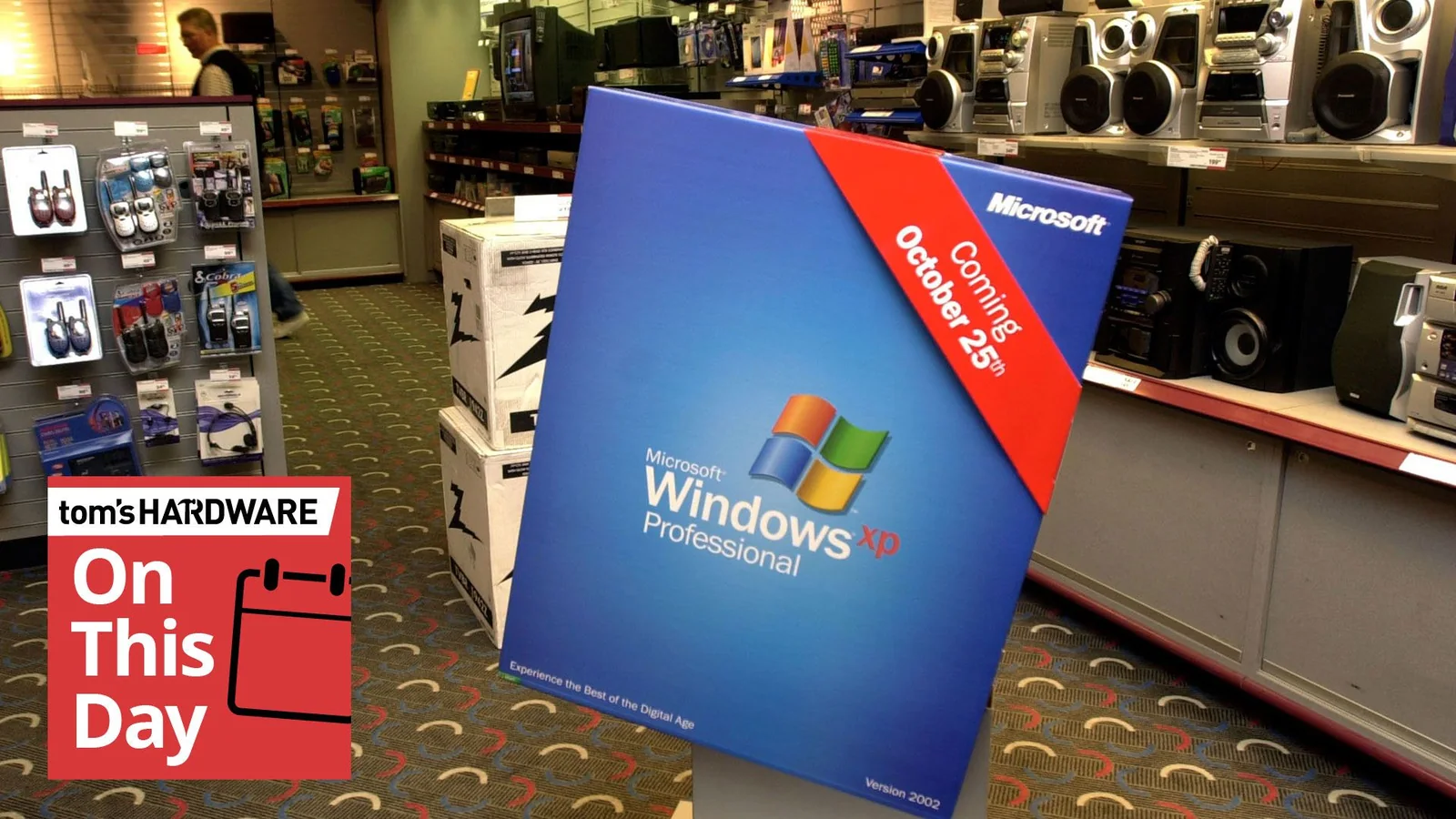
Windows XP became available at retailers for the first time on this day back in 2001. It was ushered in with Microsoft's largest and glitziest launch event since Windows 95, but the bigger news was its delivery of an OS with modern underpinnings and features. Thankfully, it lived up to the hype and would ensure nearly 13 years of favor among enthusiasts, but that might be partly due to the failure of the unloved Vista.
The NYC launch event for Windows XP in 2001 was the centerpiece of a lavish $500 million campaign Microsoft had planned for the new OS. However, celebrations were somewhat muted due to the aftermath of 9/11. Microsoft actually dumped its intended ‘Prepare to Fly’ launch slogan for ‘Yes You Can’ for this obvious reason.
Nevertheless, the launch was still a significant event and featured NYC Mayor Rudy Giuliani joining Bill Gates on stage. Gates framed the big launch as evidence that “New York is back and open for business.” There was also a free lunchtime concert in Bryant Park featuring Sting, followed by a Times Square NYC takeover. Meanwhile, retail stores like CompUSA, Circuit City, and Best Buy opened at midnight for eager tech beavers to grab a copy of Windows XP at its freshest.
Transition Away From MS-DOS
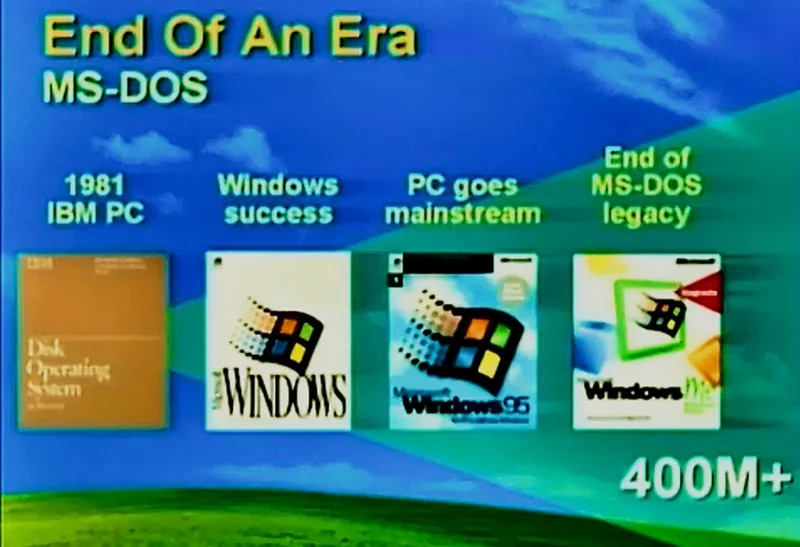
At the launch presentation, Gates said that the debut of Windows XP represented the end of the era of MS-DOS, which had underpinned a UI or shell known as Windows for many years. For consumers, that stretched all the way up to the much maligned Windows Me.
Windows XP was a major milestone because it brought the Windows NT core to consumer PCs, replacing archaic DOS and its restrictions and drivers. Thus, Windows XP would become well regarded for reliability, performance, and security after initial teething troubles, and its new UI was claimed to make tasks 25% easier to complete.
Some of the technical features that would be widely welcomed in XP included USB plug-and-play support that worked, built-in CD burning software, and ClearType support as new LCDs started to usurp bulky CRTs on desks.
Lifespan and Legacy
During Windows XP’s supported life from October 2001 to April 2014, there were three major Service Pack releases alongside DirectX 8.1 to 9.0c updates for gamers. Windows Vista launched to consumers in January 2007, but XP’s lengthy extended support meant that users could skip Vista entirely and move straight to Windows 7 when it arrived in October 2009.
Overall, it is interesting to observe that Windows XP’s lifespan was actually over two years longer than Windows 10, which was infamously launched as the last version of Windows.