Design and Positioning
When comparing various modern e-reader options, the entry-level Kindle traditionally lagged behind premium iterations. However, the latest base model narrows the performance and design gap significantly, offering high favorability when factoring in its lightweight form factor and price.
Rising Kindle Prices and Hardware Updates
Due to component shortages affecting consumer electronics, base Kindle pricing has shifted upward compared to past generations, starting at a higher baseline point.
The device introduces a flush-front display aligning the screen completely with the surrounding bezel without a raised border. Additionally, the power button has been repositioned from the bottom to the upper right side for easier access.
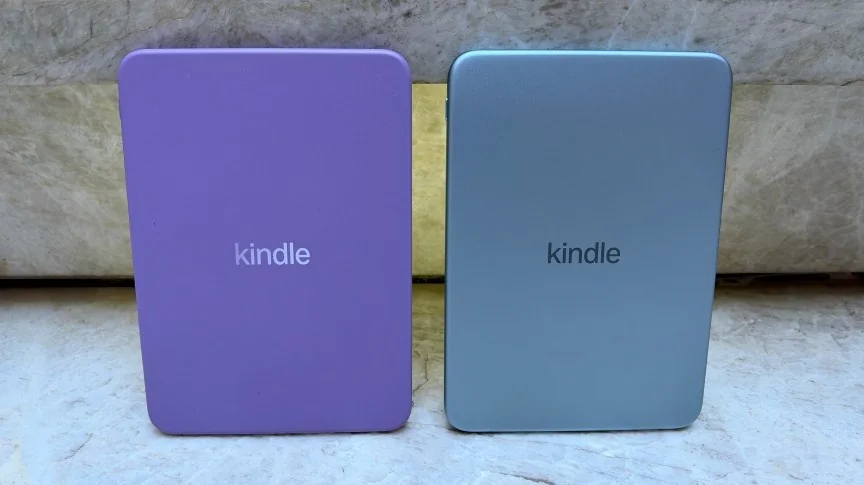
The plastic-backed model is lighter and smaller, dropping down to 140 grams. This minor reduction in weight is distinctly noticeable during extended handheld reading sessions.
A step-up variant offers an aluminum housing with increased storage capacity for a higher price point, aligning closely with entry-level Paperwhite pricing.
Portability and Display Evaluation
The compact form factor makes the device exceptionally easy to slip into pockets and hold comfortably for long durations, weighing roughly half as much as a standard printed paperback.
The 6-inch screen lacks the waterproofing and advanced warm lighting controls found on larger sibling models, keeping the feature set strictly targeted at core reading utility.
Front lighting relies on an upgraded nine-LED array that delivers enhanced brightness at top levels. E Ink technology continues to provide glare-free visibility under direct outdoor sunlight while removing digital distractions.
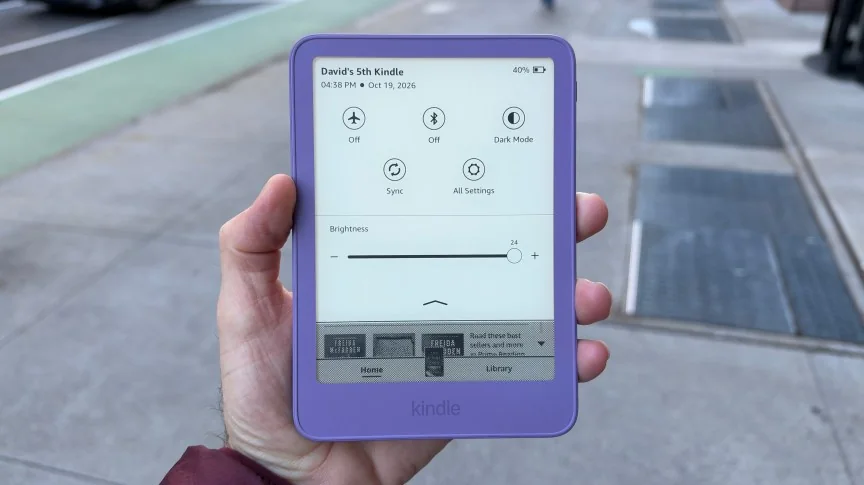
Without the front light enabled, the display appears slightly darker with reduced contrast due to the flush-front design layer, and higher brightness settings may exhibit a faint blue hue.
Text remains sharp with standard 300 ppi density across black-and-white content, satisfying most readers despite minor color temperature variances.
Battery longevity reaches up to six weeks under standard conditions, falling short of alternative models but still delivering ample multi-week operational hours.
Intensive tasks such as frequent Wi-Fi usage, book downloads, and elevated front light settings naturally accelerate energy consumption.
Performance and Responsiveness
Driven by an internal processor, page-turning operations remain snappy, maintaining smooth transitions between full screen refreshes despite inherent E Ink hardware limitations.
Navigating libraries or online stores displays minor latency, whereas core text interactions like highlighting and annotations operate smoothly. Source evaluations note that local ebooks open roughly 30% faster than previous generations.
Overall processing capability mirrors higher-tier options closely, reserving major hardware divides for specialized lighting and weather sealing.
Verdict and Recommendations
The platform supports versatile content transfers, allowing users to load personal documents and ePub files via dedicated email addresses or cloud tools seamlessly.
Personal documents transferred via wireless tools populate rapidly within local libraries, proving straightforward for everyday document management.
Owners of immediate predecessor models will find incremental design tweaks insufficient to justify an immediate hardware upgrade.
Waterproofing remains omitted from the base tier, meaning readers requiring aquatic resistance must continue looking toward premium alternatives.
Users desiring larger viewports or adjustable color temperature will find the Paperwhite more fitting, while luxury buyers may weigh color-screen alternatives.
Deciding between the standard plastic configuration and the aluminum variant relies largely on color preferences and budget tolerances.
Current market pricing reflects broad consumer technology inflation trends observed across multiple device categories.
Despite initial price adjustments, the hardware provides an exceptionally likable reading experience for minimalists seeking a highly portable book companion.
Score breakdown
Scored out of 10Price & Release Date
Amazon Kindle (2026)