Apple iPhone Duo vs. Motorola Razr Ultra: How do these foldables compare?
Not all foldables are created equal.
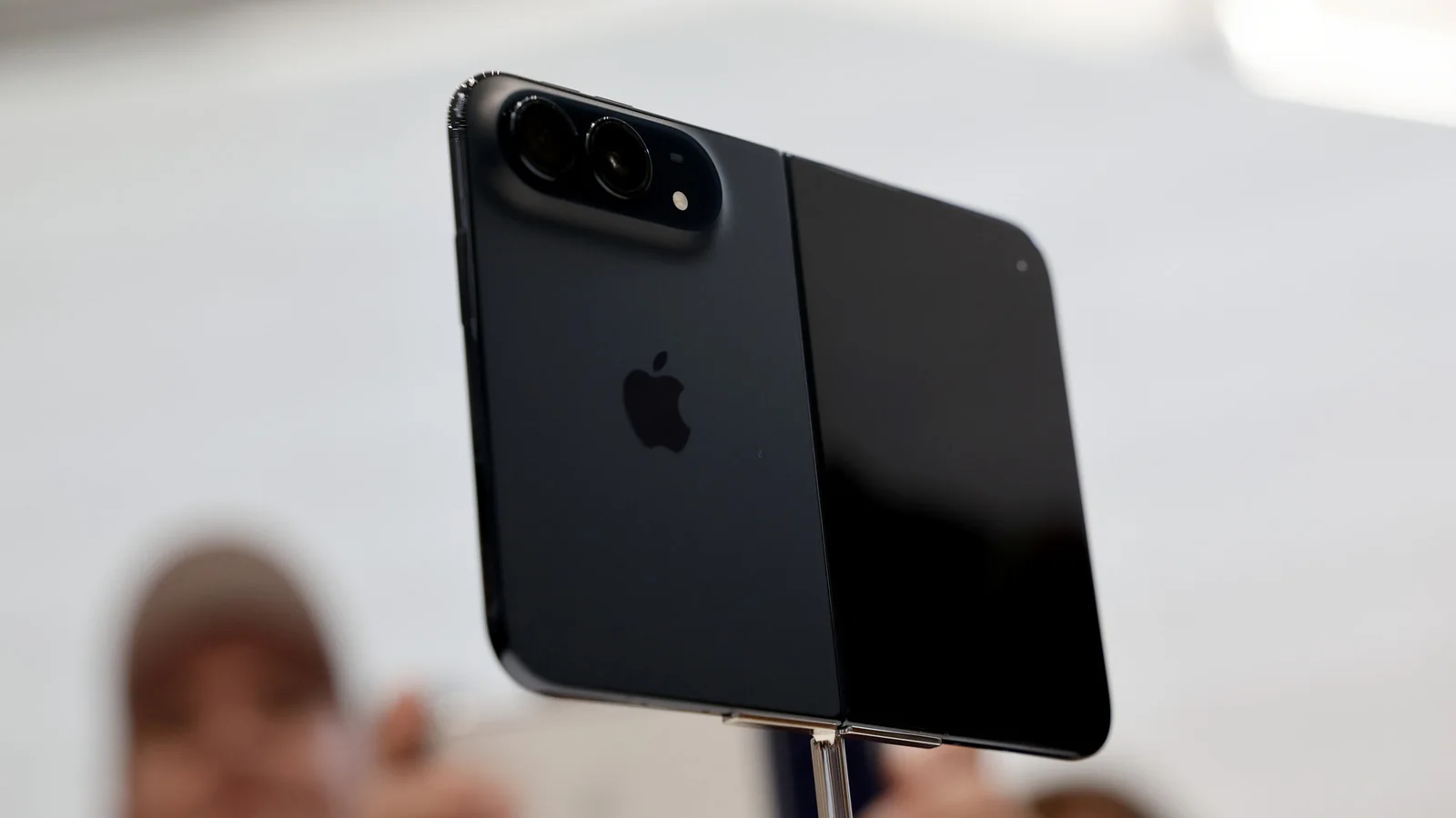
Apple enters the foldable market later than competitors, allowing rivals to take initial risks with new technologies before releasing its own polished product, the iPhone Duo.
The Motorola Razr Ultra is priced at $500 less than the $2,000 iPhone Duo, appealing to buyers who are not locked into the Apple ecosystem.
Buyers neutral on platform choice will find dramatic differences between the Ultra and Duo, as the two products target very different demographics.
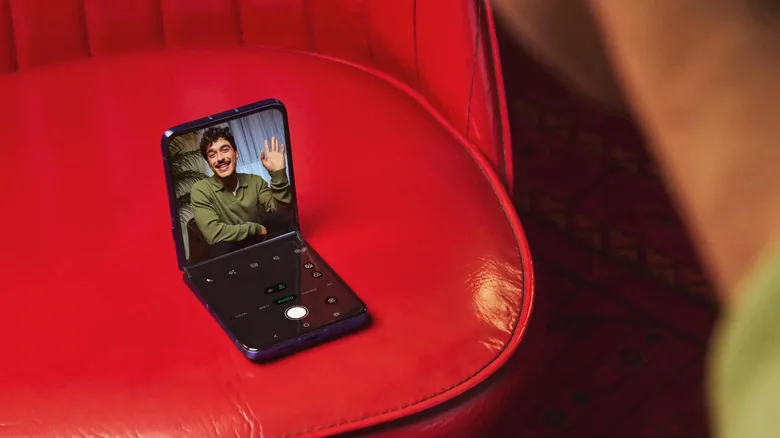
A battle of... passports and candybars?
The Ultra adopts a standard candybar layout when open, measuring 7 inches diagonally for a compact pocket-friendly footprint. The Duo uses a passport-shaped design, operating like a regular iPhone when closed and opening to a 7.6-inch matte display that supports split-screen multitasking for enhanced productivity.
Performance
The Ultra features a Snapdragon 8 Elite processor and 16GB of RAM. The Duo utilizes Apple's A20 Pro chip and iOS optimizations, though everyday app performance is expected to be closely matched.
Cameras
Both devices feature dual rear cameras with wide and ultra-wide lenses, with Apple using 48-megapixel sensors and Motorola using 50-megapixel sensors.
The Ultra includes a 50-megapixel front camera, whereas the Duo features a 12-megapixel front shooter and an under-screen internal camera designed primarily for FaceTime video calls.
Battery and durability
Both phones offer a full day of mixed usage, with the Ultra lasting 31 hours in video testing and Apple claiming comparable battery life for the Duo. Both use hardened ceramic glass for the front display, but the Duo includes an IP68 dust and water resistance rating compared to the Ultra's IP48 rating.

Pick your platform poison
The Ultra starts at $1,500, while the Duo begins at $2,000 and can reach up to $3,200 with maximum storage. The Duo's higher price is partially offset by its potential to replace both an iPhone and an iPad mini.
Buyers preferring Android can also consider book-style foldables like Motorola's Razr Fold, the Google Pixel 11 Pro Fold, or the Samsung Galaxy Z Fold 8.
Choosing a foldable depends on specific use cases, whether prioritizing ultra-compact pocket size or expanded productivity features.