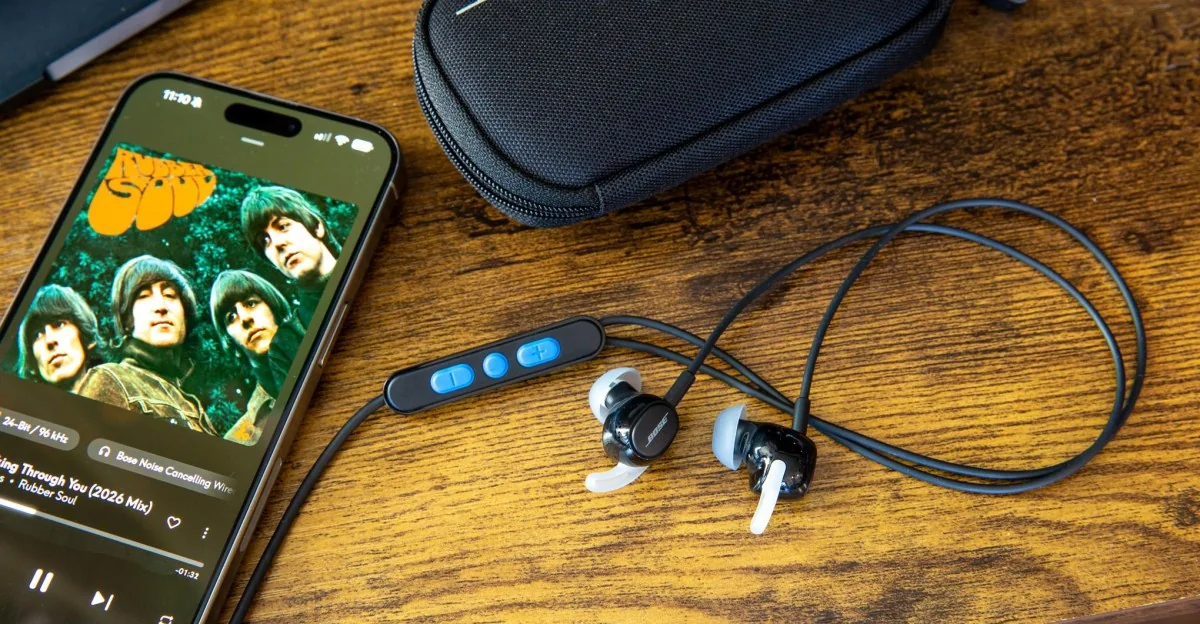
Wired earbuds are experiencing a notable resurgence, driven by a blend of retro appeal and practical benefits such as zero battery degradation and reliable physical connections. Bose is capitalizing on this trend by introducing a modern wired option equipped with active noise cancellation.
Design and Connectivity
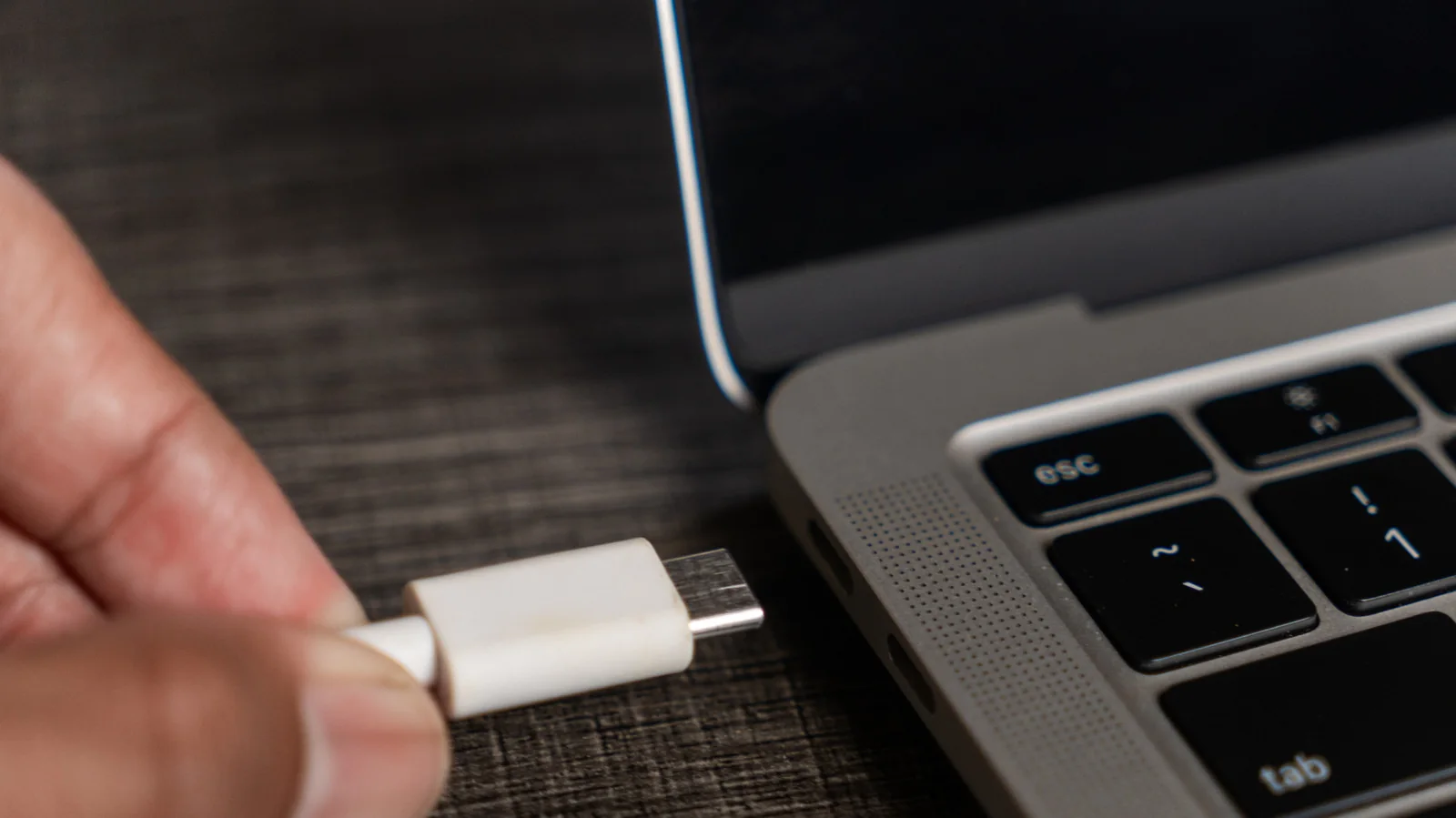
The $99 Noise Cancelling Wired Earbuds connect via USB-C, drawing minimal power directly from the host device to run active noise cancellation without requiring a separate battery pack on the cable. This design choice eliminates the need for clumsy analog dongles on modern phones and computers.
While alternative USB-C models with ANC exist in the market, few options successfully blend affordable pricing with robust hardware integration.
The primary advantage of these earbuds is their utter simplicity. Users do not need to worry about Bluetooth pairing, software apps, or recharging internal cells; plugging them into any USB-C port enables immediate functionality.
Audio Performance and Noise Cancellation
The in-line remote features a straightforward, responsive design equipped with a tactile rubberized texture for controlling volume, playback modes, and ANC toggles.
Noise cancellation performance handles steady low-frequency rumbles effectively, though higher-frequency ambient sounds like nearby speech remain partially audible. A minor high-end hiss is occasionally present when audio playback is idle.
Audio output delivers clear, bright vocals alongside punchy bass frequencies. The lack of a companion app means onboard EQ customization is absent, but native support for high-res audio at 24-bit/48kHz provides an open and spacious listening experience with negligible latency.
Fit and Ergonomics
The package ships with three varying ear tip sizes and two sets of stability wings, enabling a customizable fit that remains secure during prolonged listening sessions. Additionally, an IPX4 water-resistance rating guards against light rain and sweat during workouts.
Drawbacks and Limitations
Despite the inherent advantages of wired hardware, physical cables remain susceptible to snagging on clothing or objects if not properly routed under a shirt or jacket.
Cable noise, or microphonics resulting from physical friction against the wire, is mitigated by durable insulation but remains a minor factor during active movement.
Outdoor wind performance proves problematic, as the external microphones pick up high-frequency wind buffeting that active noise cancellation struggles to completely eliminate.
Furthermore, call quality suffers because the remote-mounted microphone captures significant ambient environment noise, making heavy street use challenging.
Conclusion
For listeners prioritizing zero latency, high-res audio capability, and the simplicity of a direct USB-C connection paired with active noise cancellation, these Bose earbuds stand out as a compelling, affordable option.