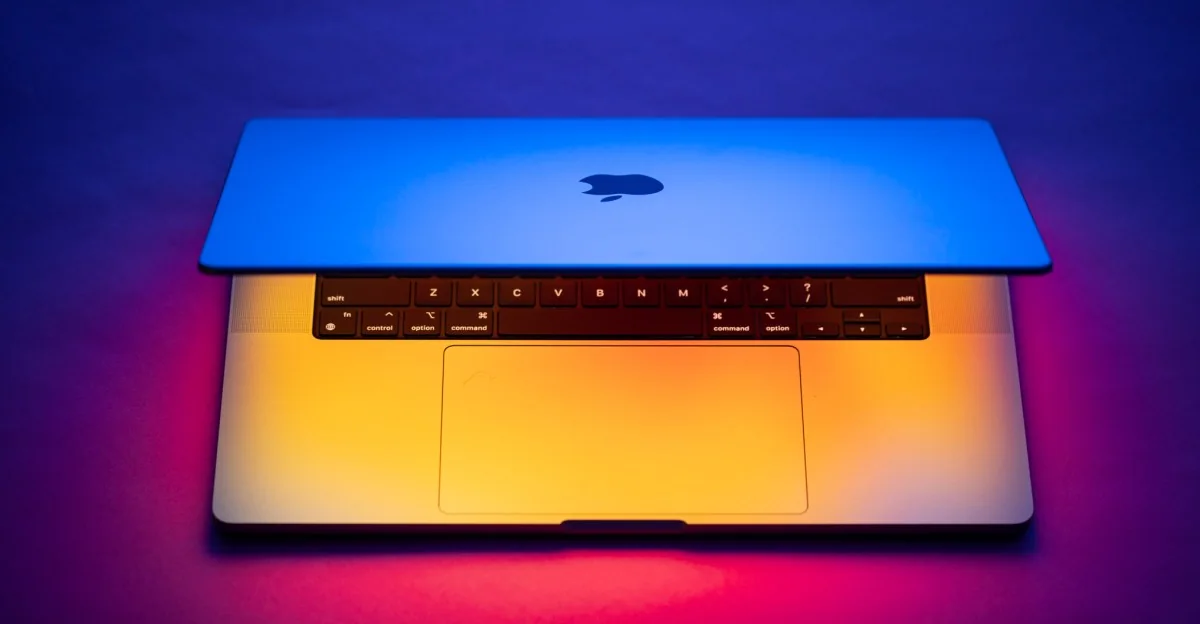
Apple is expected to finally announce a touchscreen MacBook at its upcoming hardware event, reversing years of executive skepticism.
The Long-Awaited Shift to Touch
Apple is poised to reverse course on a feature its executives openly mocked in the past.
Seeing the light on touchscreen laptops.
The Evolution of Laptop Interaction
A laptop with a touchscreen should be no big deal since the industry has featured them for ages. However, Apple took a hardline stance against them. Steve Jobs famously dismissed touchscreen laptops as ergonomically terrible, arguing that vertical touch surfaces do not feel natural for extended use.
The closest Apple previously came was the MacBook Pro Touch Bar from 2016 to 2023, which offered mixed utility on the keyboard deck. Introducing a primary display touchscreen brings established capabilities for direct on-screen navigation, whether via tapping or stylus input.
So how is Apple going to do it exactly? How will the company bring its signature design touch to a touchscreen MacBook?
Hardware Rumors: OLED and M5 Chips
Rumors indicate this touch-enabled MacBook Pro will feature a new OLED display, offering deep blacks and vivid contrast, though likely with a higher price tag. They are expected to utilize M5 Pro and M5 Max chips in 14-inch and 16-inch configurations.
The ill-fated Touch Bar is the only bit of touchscreen we’ve gotten on a MacBook thus far.
The screen is also speculated to feature a Dynamic Island cutout for the webcam instead of a standard notch, potentially offering touch-based multitasking utilities similar to iPhone implementations.
Design Concerns and Performance
The touchscreen MacBook is rumored to feature a thinner and lighter chassis design. While recent MacBook Pros gained thickness to improve thermals and performance after the butterfly keyboard era, reducing weight without sacrificing battery life or sustained performance remains a critical challenge.
Form Factor and Software Integration
It remains to be seen whether the new MacBook will maintain a conventional clamshell design or adopt a flexible hinge similar to 2-in-1 convertible laptops like Lenovo's Yoga line. Industry observers wonder if Apple will keep things safe or introduce a bolder form factor.
I don’t mind the slight chunkiness of current MacBook Pros, but lightening their load could be nice.
Support for an Apple Pencil and revised touch-friendly macOS enhancements are also heavily discussed, though the device is expected to remain a full desktop operating system rather than merging with iPadOS.
MacBook Pros have largely seen incremental updates since the introduction of the M1 Pro and M1 Max chips. An OLED touchscreen model represents a major structural shift for the lineup.