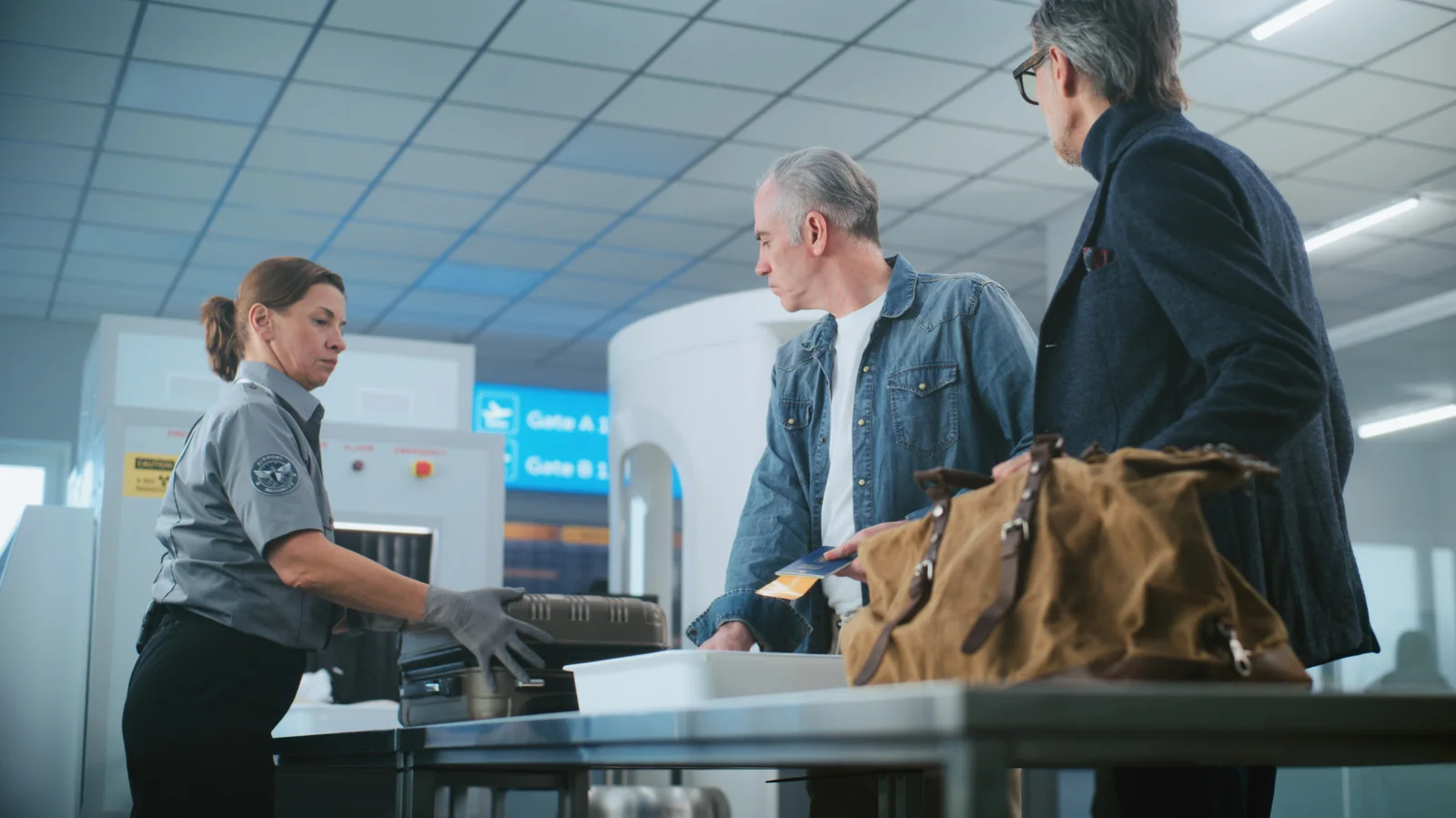
What gamers should know when bringing their consoles through TSA
Bringing handheld consoles shouldn't be an issue, but you need to pack home systems carefully.
It's not uncommon to see someone at the airport playing a portable system, but what about bulkier home consoles? It's a great way to spend your down time while traveling, especially if you're going to be gone for a while.
The TSA enforces national guidelines for both portable and home consoles regarding what you can take and whether items belong in checked or carry-on baggage. Specific requirements like whether a device needs to come out of your bag depend on your flight situation.
Once you know the rules, and apply a healthy dose of common sense when it comes to keeping your console safe, you'll be ready to travel.
How to safely bring your consoles through TSA
If you're bringing a gaming handheld like a Nintendo Switch or Steam Deck, chances are it uses a lithium-ion battery. According to TSA regulations, all devices that utilize lithium-ion batteries need to be stored in your carry-on baggage due to the risk of thermal runaway.
You may be asked to turn on any devices to show they are real; keep them shut off otherwise to avoid them waking up from sleep mode in your bag and overheating. Home consoles do not utilize these batteries, but most controllers do, meaning those will also need to be in your carry-on luggage.
Checked Baggage Risks
While home consoles like a PlayStation 5 are allowed in your checked luggage, it's not necessarily the best idea to keep them there. Luggage often gets tossed around harshly in the cargo hold, and property loss remains a documented risk.
Considering consoles are becoming increasingly expensive and have a lot of delicate internal parts, it's best to keep yours with you where you can better watch over it. If you do put it in your checked bag, put it in a protective case with padding and slip in a tracking device in case it gets lost.
Checkpoint Screening Procedures
Whether you need to take out your gaming device from carry-on luggage or a backpack at the TSA checkpoint depends upon the particular airport. Airports with modern CT scanners allow electronics to remain inside bags, while older X-ray checkpoints require electronics larger than a phone to be placed in a separate bin.
If you're traveling with an obscure console that would be hard to identify for an average TSA worker, it's best to mention its presence to an agent and let them decide if it should go in a separate bin to avoid extra bag inspections.