Overview
The Hisense XR10 is presented as an all-in-one home theater system, offering stunning 4K resolution, exceptional brightness, and impressive integrated sound, designed for straightforward setup.
This triple laser projector aims to deliver a true big-screen cinematic experience within the home environment.
Boasting 6,000 ANSI lumens of brightness and an optical zoom, the XR10 can project a larger screen size in spaces where other projectors might struggle.
Unlike many projectors that demand a longer throw distance for a larger image, the Hisense XR10 utilizes its optical zoom to achieve greater screen sizes without compromising picture quality.
The XR10 is capable of projecting an image up to 300 inches.
It is positioned as a projector for users intending to establish a dedicated viewing environment.
The projector provides the quality expected by serious users seeking a premium big-screen experience.
Design and Versatility
Despite its premium features, the XR10 is compact, roughly the size of a four-slice toaster, making it portable enough for room-to-room relocation.
It can be stored in a vintage carry case, appealing to those who use the projector for specific events or move it frequently.
Priced at $9,999, the Hisense XR10 incorporates features typical of a premium home theater projector, ideally suited for permanent installation.
However, its compact size and straightforward setup also align with characteristics of more affordable portable projectors.
Hisense appears to aim for a hybrid approach, catering to both dedicated home theater enthusiasts and those desiring portability.
The source review suggests the projector is home theater-worthy and suitable for permanent ceiling mounting.
The source reviewer questioned whether customers seeking a convenient portable 4K projector would justify the nearly $10,000 price for its portability.
The inclusion of built-in Devialet speakers contributes to its all-in-one convenience.
While portable projector users often desire an all-in-one setup, the $9,999 price point raises questions about its target demographic.
High-end users, according to the source review, typically prefer a multi-speaker room setup over relying solely on a projector's integrated audio.
The integrated speakers deliver impressive sound quality, but they lack the immersive experience of a dedicated multi-speaker system.
Setup and Features
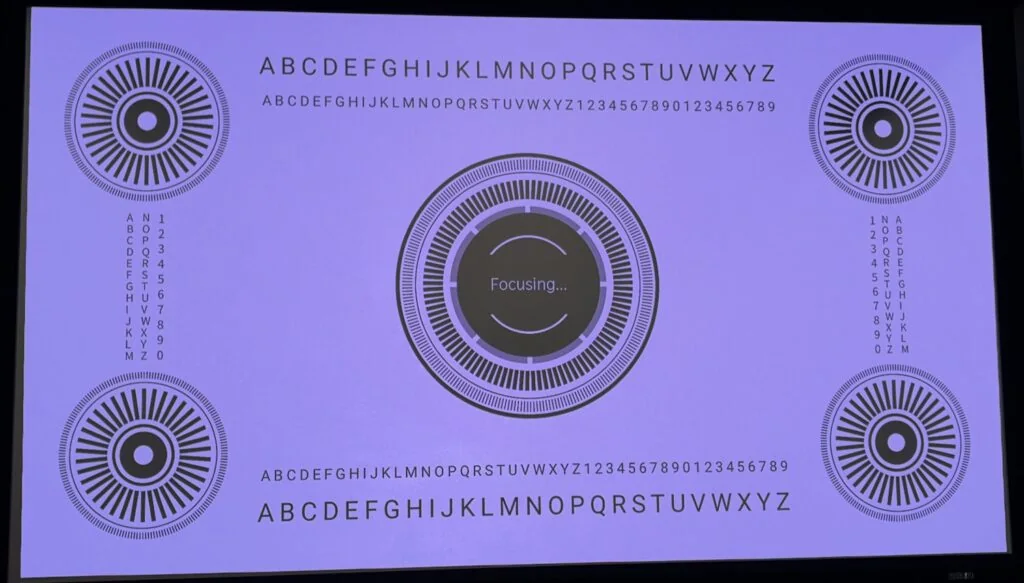
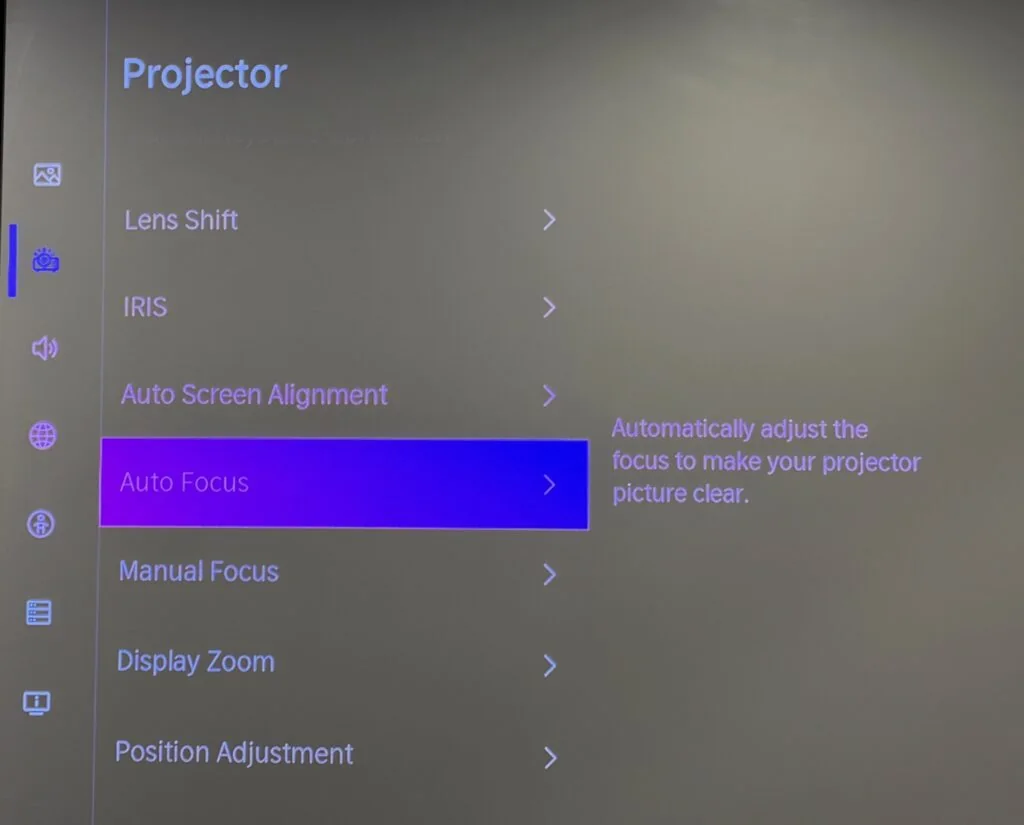
Initial setup is generally simple and automated, with the projector automatically squaring and focusing the image.

Despite minor initial adjustments noted by the source reviewer, overall setup is quick, allowing content viewing within minutes.
The Hisense XR10 features a smart interface akin to its televisions, providing access to streaming services, catch-up apps, and Hisense internet channels.
External sources such as gaming consoles, set-top boxes, or 4K disc players can be connected via the HDMI ports located on the projector's rear.

The source reviewer noted that the projector could achieve a 150-inch screen size rapidly, with a shorter throw length than their existing projector, utilizing the XR10’s digital zoom to create a larger image without quality loss.
This capability is particularly beneficial for installation in confined spaces.
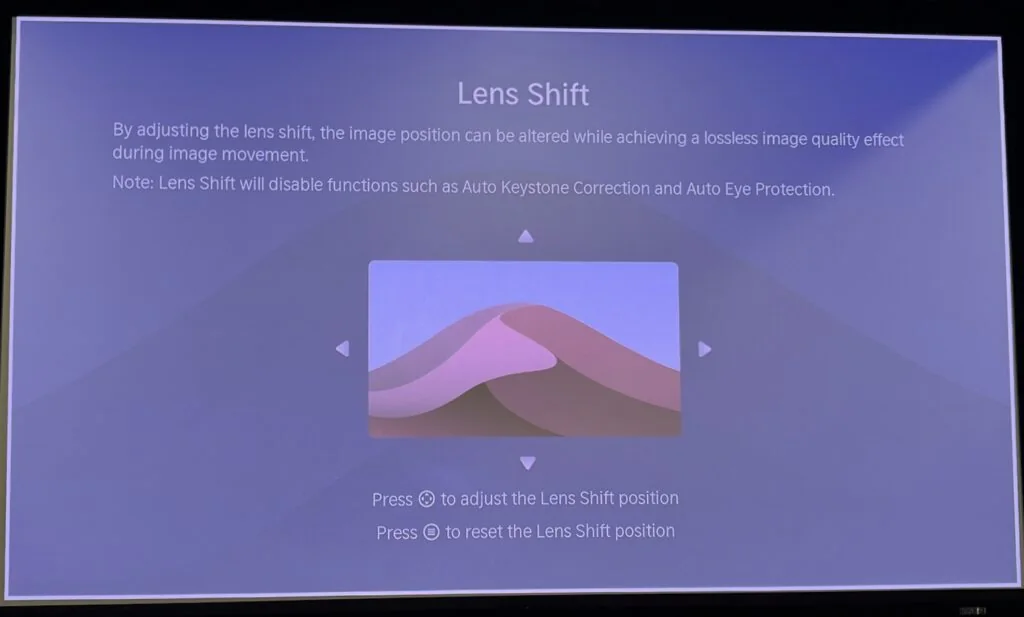
Beyond optical zoom, lens shift functionality enables even finer adjustments to the projected image.

Image Quality and Performance
Once configured, the quality delivered by the triple laser 4K projector system was immediately apparent.
The source reviewer was immediately impressed by the projector's brightness, noting the unmistakable impact of its 6,000 ANSI lumens.
While exceptionally bright for a darkened theater room, this brightness also ensures high-quality viewing even in daylight conditions.
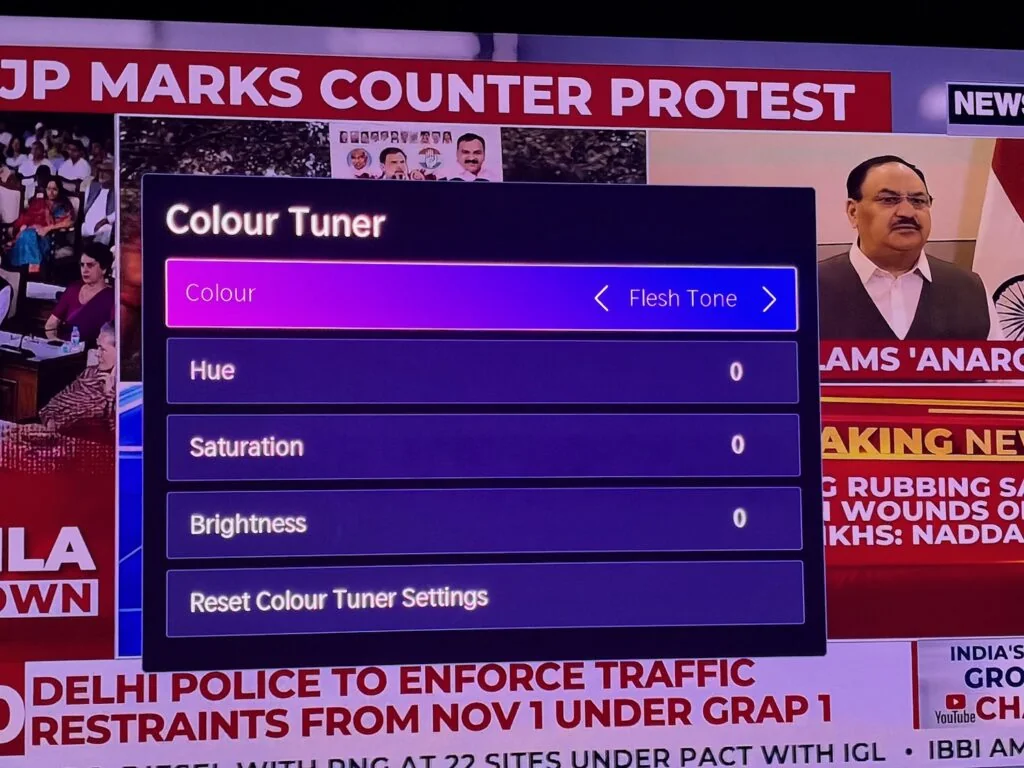
Regarding color reproduction, particularly reds, the source reviewer observed them to be exceptionally bright, prompting an exploration of the projector's display modes.

Multiple modes are available, including Standard, Filmmaker, Cinema Day, Cinema Night, and Dynamic.
Switching between these modes significantly alters the projector's characteristics, allowing it to cater to diverse viewing preferences.
Those favoring subtlety over intense resolution and brightness might prefer the Standard mode.
Conversely, viewers desiring a more saturated and brighter image may select Dynamic mode.
The source reviewer found Cinema Night to be a balanced option, though they made minor adjustments to brightness for a slightly more conservative output.

The crispness of the image was undeniable, with 4K content appearing exceptionally vibrant and detailed.
The triple-color laser technology contributes significantly, achieving 118 percent of the color gamut with remarkable accuracy.
Contrast levels were also impressive, with a static ratio of 6000:1 and dynamic contrast up to 60,000:1, enhancing scene depth.
The projector also rendered impressive deep black levels.
Dolby Vision is supported, alongside compatibility with HDR10, HDR10+, HLG, and HDR Vivid, ensuring broad content compatibility.
AI technology is integrated, allowing the XR10 to automatically fine-tune color, brightness, and sharpness in real-time for a more consistent image.
However, purists who prefer to view films as intended by the director might choose to disable AI upscaling, as it can impart a more digital aesthetic.
The source reviewer, identifying as a purist, appreciated the 4K resolution but felt that excessive sharpness could sometimes make objects appear unnatural.
A minor critique from the source review was that the XR10 occasionally presented an image that appeared overly perfect and excessively sharp.
The source reviewer expressed a preference for a more natural rendering of content.
A key strength of the product is its ability to deliver varied visual outcomes, allowing users to customize picture quality to their individual preferences.
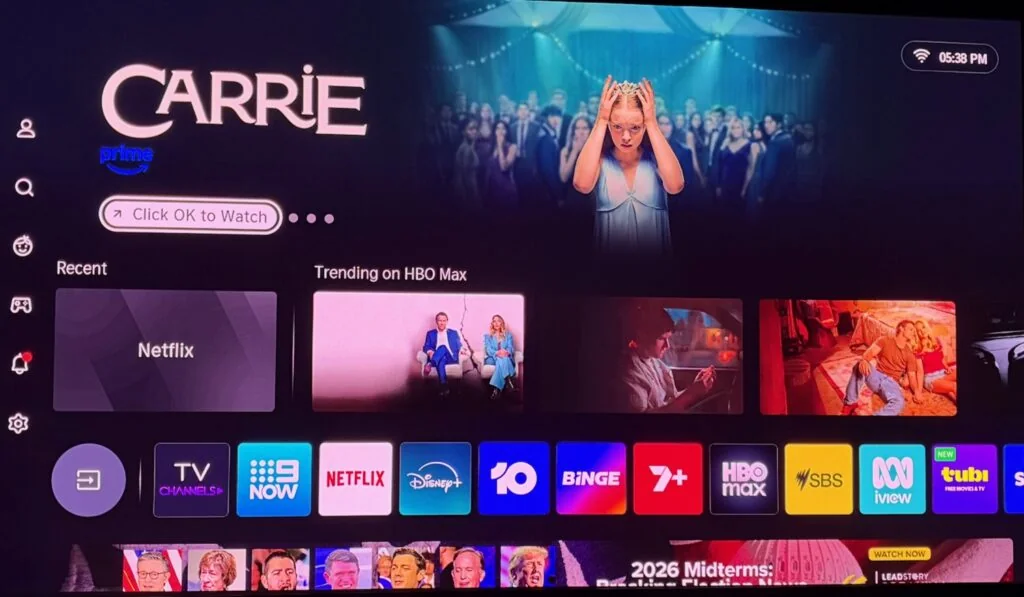
The XR10 offers a range of modes and settings designed to satisfy diverse user tastes.
Audio Experience and Value Proposition
Regarding audio, the Devialet-tuned speakers provided good quality, and while Dolby Atmos is supported, the sound felt localized due to originating solely from the projector.
Individuals with serious home theater setups often prioritize audio quality and employ multi-speaker configurations.
While the Hisense XR10 can be integrated into a multi-speaker system, this would render its built-in Devialet-tuned speakers redundant.
Home theater owners, according to the source review, frequently choose standalone projectors without integrated speakers, as audio is managed by existing room-wide speaker systems.
However, such standalone projectors typically function as monitors, requiring pairing with a receiver and other devices to access streaming services and content.
The Hisense XR10's primary advantage lies in its all-in-one design, enabling high-quality performance and setup in virtually any room.
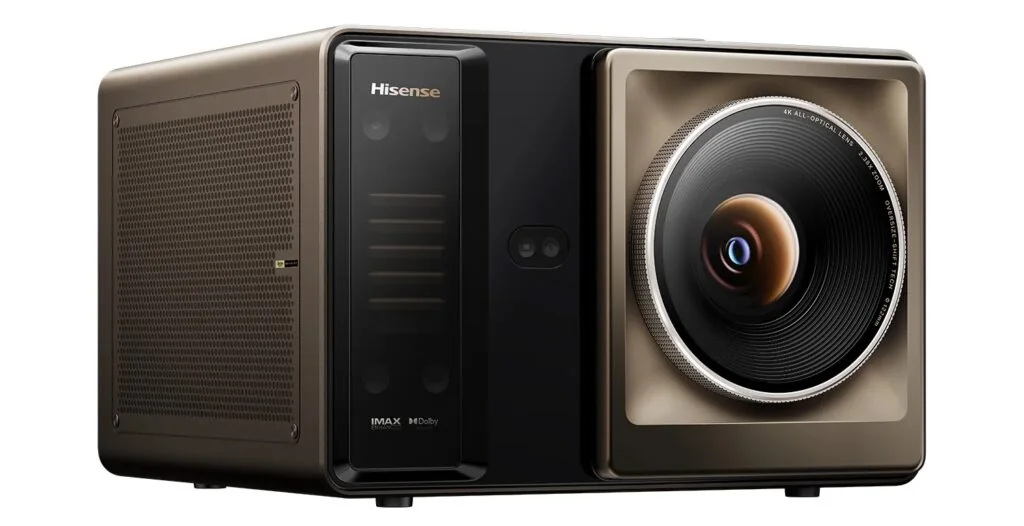
Considering this, the projector is well-suited for users who prioritize transforming various spaces into high-performance viewing areas rather than focusing on a single dedicated setup.