How to spot a white label gadget, and why that's important
Forewarned is forearmed, after all.
The tech market faces an ever-growing glut of white label devices manufactured by a single factory and sold on to others who apply their own branding. These products are often attached to zombie brands as an easy way to sell mediocre tech to unsuspecting buyers. While white label tech is not inherently bad, understanding what you are buying helps prevent poor purchases.
White labels 101
Device manufacturing is concentrated among a small cluster of Asian factories, and very few companies actually build their own hardware from scratch. Even major industry players frequently outsource production. White label manufacturing is a legitimate practice, but it also enables the mass production of generic, copycat devices stamped out by original device manufacturers.
Multiple products often share identical designs and promotional materials under different names. For instance, certain camera gear models from different brands share exact specifications and marketing images on retail platforms.
The smart ring market exhibits similar patterns, where multiple branded rings trace back to a single original device manufacturer offering rapid white label services with custom packaging and logo placement.
How to spot a white label
Researching products across independent reviews and community forums helps reveal the true origin of a device. A lack of independent coverage outside of basic customer ratings on retail pages often indicates a product designed to avoid close scrutiny.
Brand
Established technology companies protect their reputations by avoiding low-effort products from unnamed third parties. However, medium-sized companies or non-tech brands frequently license their names for products outside their core expertise.
Apparel and footwear companies frequently license their branding for exercise equipment, eyewear, smart rings, smart glasses, and smartwatches produced by third-party licensees.
Similarly, formerly prominent tech brands that no longer manufacture their own hardware may rely entirely on licensees to produce branded wearables.
At the lowest tier are zombie brands—historical names acquired cheaply during bankruptcy proceedings and revived by original device manufacturers to market inexpensive hardware.
Track record and the pitch
Using an established white label production chain allows new companies to enter the gadget market quickly without bearing the primary risks of hardware research and development.
When a company expands into an unrelated product category with minimal explanation or technical background, the hardware is frequently white labeled.
Authentic tech manufacturers typically provide detailed explanations of their design processes, engineering improvements, and hardware creation methods.
Amazon
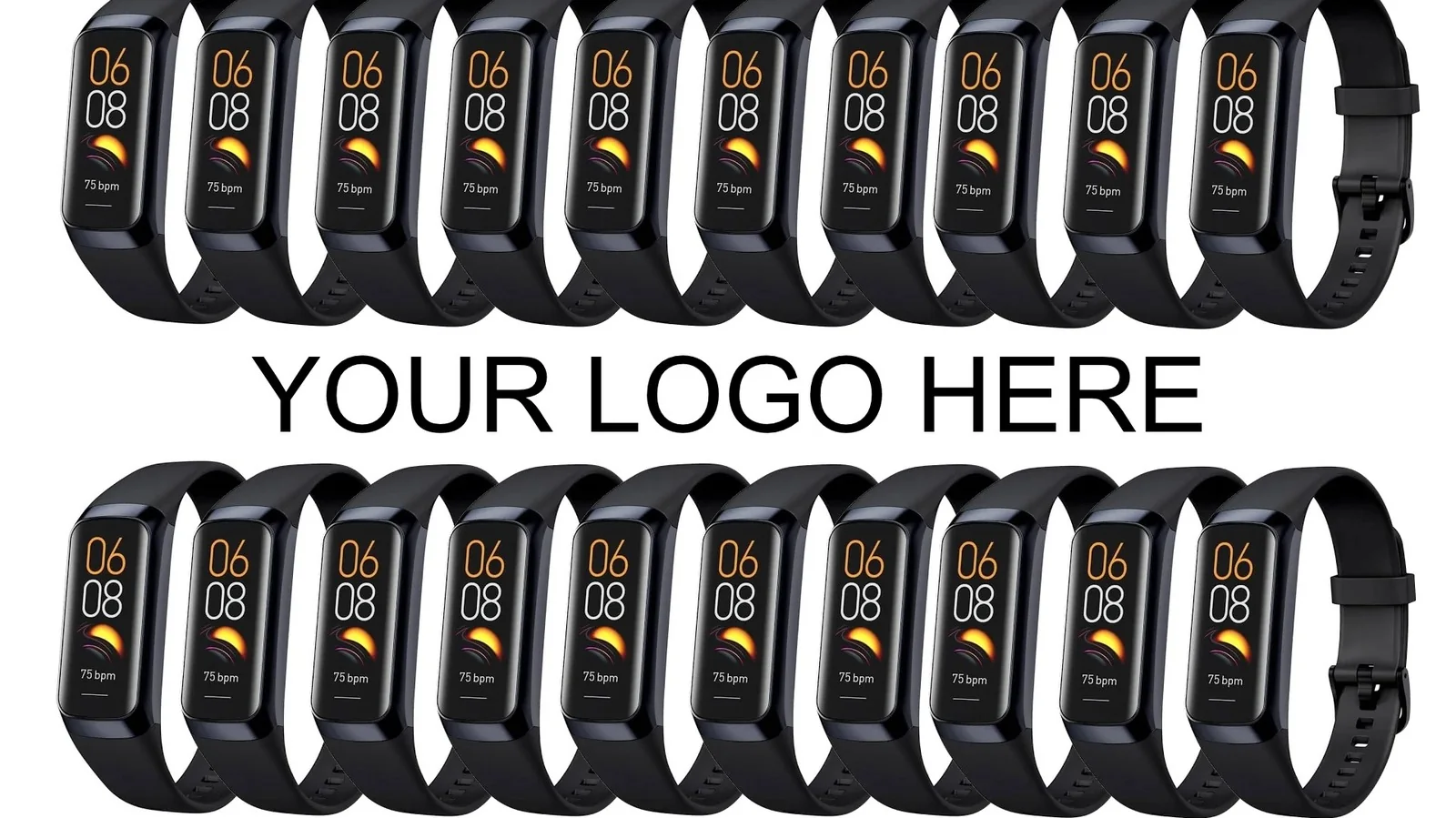
Online retail platforms often feature identical low-cost gadgets sold under numerous different brand names using shared promotional imagery and minor digital modifications.
Budget fitness trackers serve as a clear example, with multiple obscure brands utilizing identical promotional renders, differing only in software watch faces.
Identical hardware specifications, screen sizes, sports modes, and companion apps confirm that these listings represent the exact same white label product sold under various names.
Caveat emptor
While white label gadgets are not inherently flawed, recognizing them helps buyers evaluate whether budget alternatives offer genuine value or simply represent rebranded generic hardware.