Overview
Smart bird feeders have become a popular category in the camera market, automatically capturing photos and videos of feathered visitors and often identifying species. The Kiwibit Bird Feeder 2 Pro is the latest entry, offering advanced features for wildlife enthusiasts.
The Bird Feeder 2 Pro is an evolution of the Kiwibit Beako, with key upgrades including a camera that combines 4K HDR with phase-detection autofocus (PDAF), a technology commonly found in smartphones. Another significant enhancement is the integrated solar panels within the roof, eliminating the need for a separate external panel and wiring.
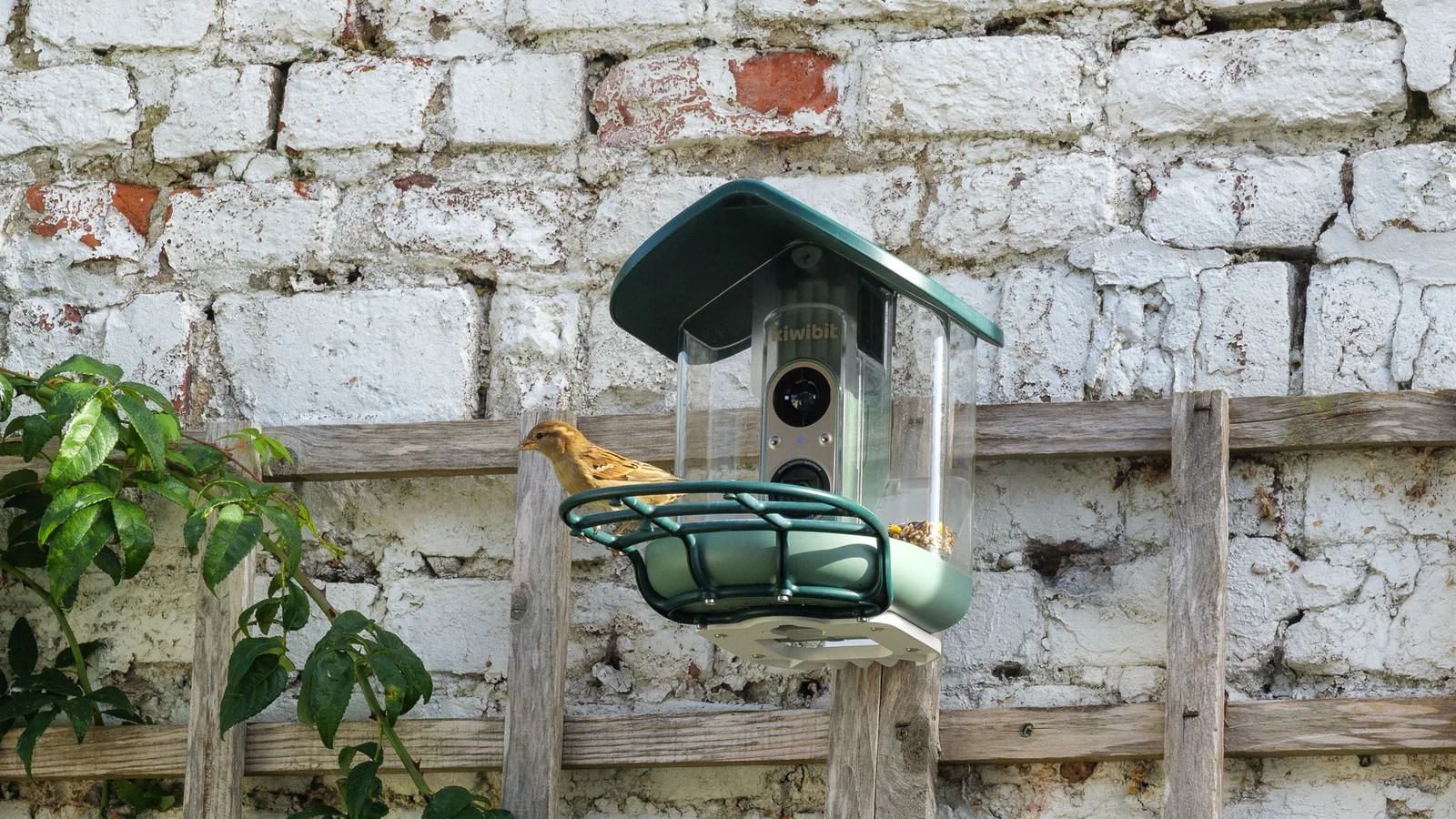
The solar-powered roof is a standout feature. After an initial charge, the source reviewer reported no further manual charging was required during testing, with the battery consistently remaining near full capacity. The overall hardware also impressed, featuring a durable and well-finished plastic shell, straightforward mounting, and an easily removable two-chamber seed hopper for refills and cleaning.
However, the camera's video capabilities present a mixed experience. While 4K photos and clips are sharp, and autofocus generally locks onto birds effectively (though very close subjects in the seed tray can be out of focus), 4K video is limited to a choppy 15 frames per second. The 120fps slow-motion mode was found to produce footage akin to a slideshow, making the 1080p 60fps mode the most usable option.
The companion app was noted as cluttered and difficult to navigate, with essential features like AI species identification locked behind a Kiwibit Plus subscription. While the identification system was accurate in testing, it could only name one species per clip. Overall, the Bird Feeder 2 Pro's hardware is robust, but its software and video modes require significant improvement.
Kiwibit Bird Feeder 2 Pro: Price and Availability
$279.99 in the US with 'lifetime AI' included, or $219.99 without
£289.99 in the UK; launching Q1 2027
Kiwibit Plus subscription priced from $7.99 per month
The Kiwibit Bird Feeder 2 Pro is currently available in the US for $219.99, or $279.99 with a lifetime subscription to the Kiwibit Plus service. It is expected to launch in the UK in the first quarter of 2027, priced at £289.99.
This pricing positions the device in the premium segment. A significant ongoing cost is the Kiwibit Plus subscription, required for AI species identification and other app features, which costs from $89.99 per year or $7.99 a month.
Kiwibit Bird Feeder 2 Pro: Design
Solar panels built into the hinged roof
Removable 1.7l dual-compartment hopper
IP65 rated and works in -4F to 122F (-20C to 50C) temperature range
Sharing a strong resemblance to its predecessor, the Kiwibit Beako, the Bird Feeder 2 Pro's primary design distinction is the integrated solar panels within its roof. This clever integration reduces clutter by eliminating the need for a separate mounting location and cable routing for a solar panel.
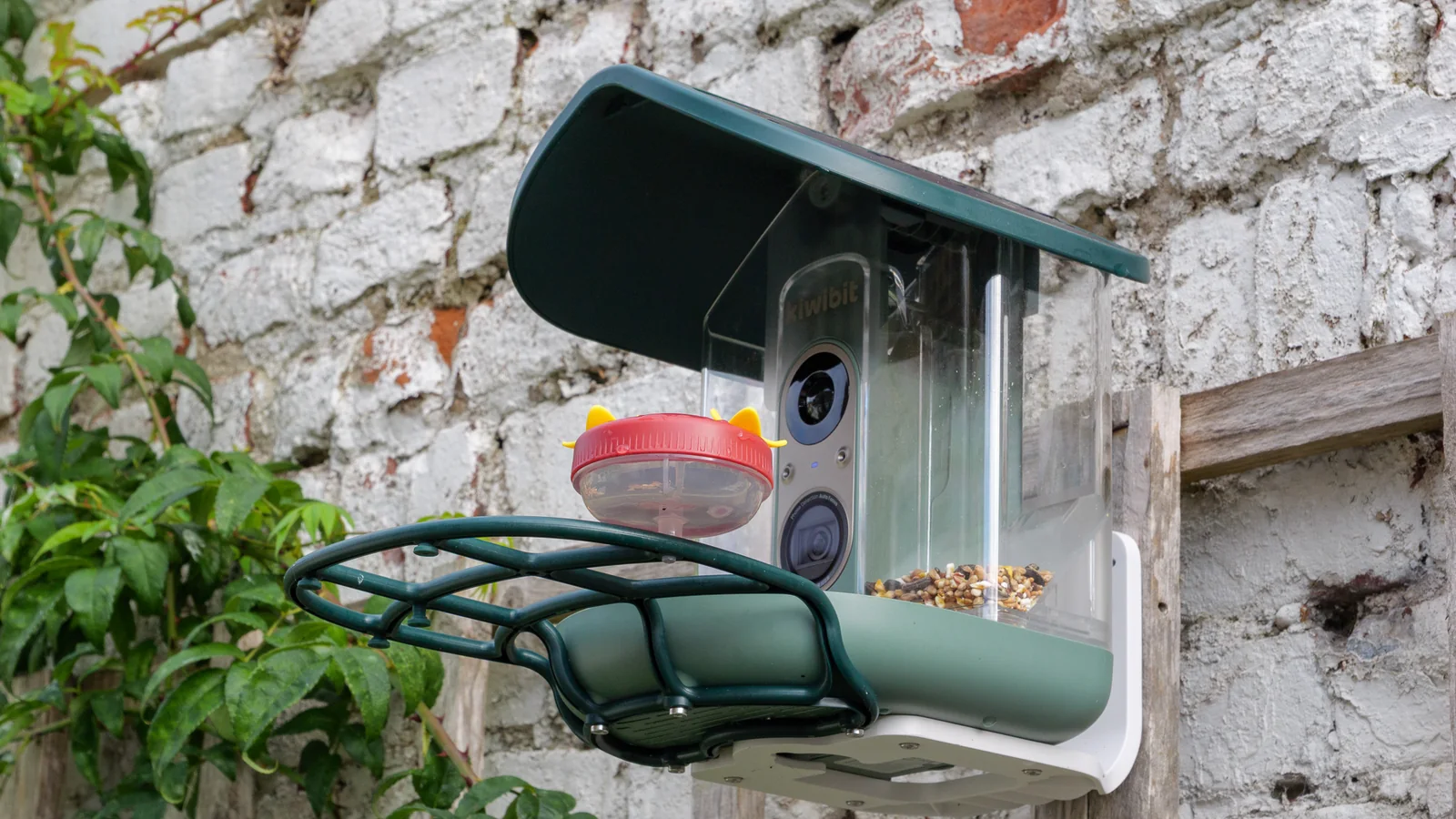
The hinged roof also facilitates easy maintenance; by pressing a latch, the seed hopper can be lifted out for cleaning or refilling. The hopper features two compartments, allowing for different seed mixes, each with its own sliding door to control supply.
The feeder's construction is predominantly plastic, which may not appeal to all users who might prefer more natural materials like wood or metal for a garden fixture. Concerns were raised about the potential for the green plastic to fade over time in sunlight, though no change was observed during the review period.
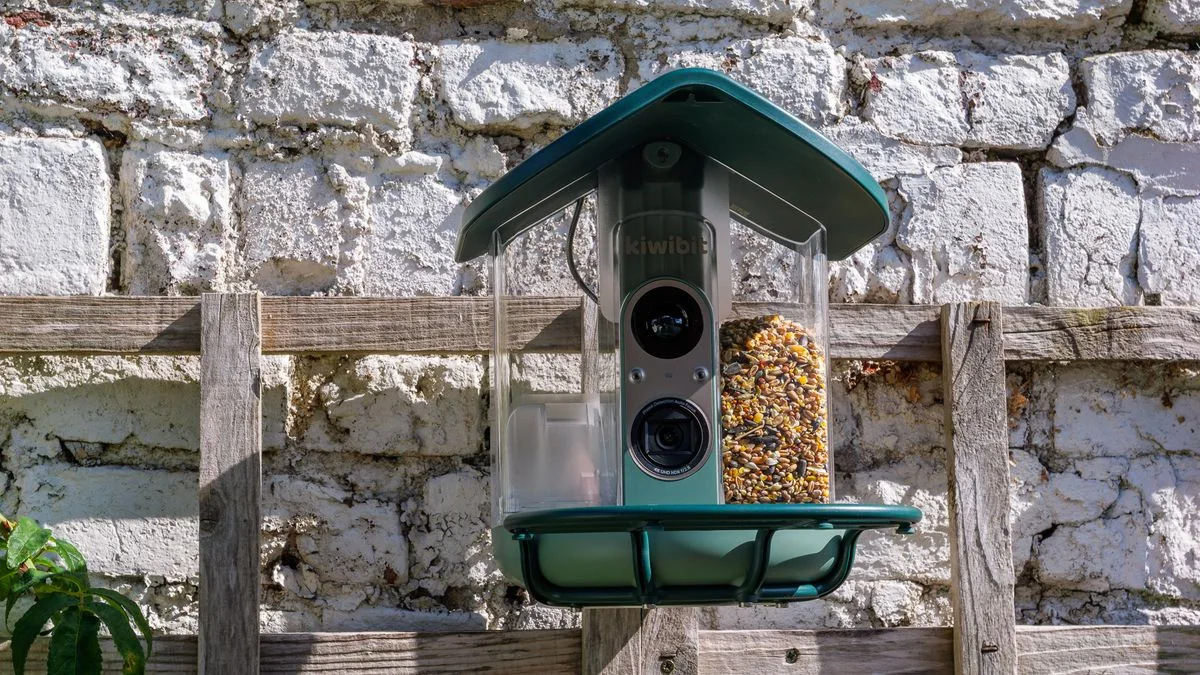
Despite being plastic, the material is solid and hard-wearing, contributing to a sturdy feel. The hinged roof operates without rattling, and the IP65 rating, coupled with a stated operating temperature range of -4F to 122F (-20C to 50C), ensures the internal electronics are protected from adverse weather conditions.
Installation and Power
The review unit included three mounting options: a fabric strap for trees or lampposts, a pole mount for poles up to one inch (25.4mm) in diameter, and a wall bracket. The wall bracket facilitated quick installation on a trellis, with a positioning sticker and supplied screws and wall plugs simplifying the process.
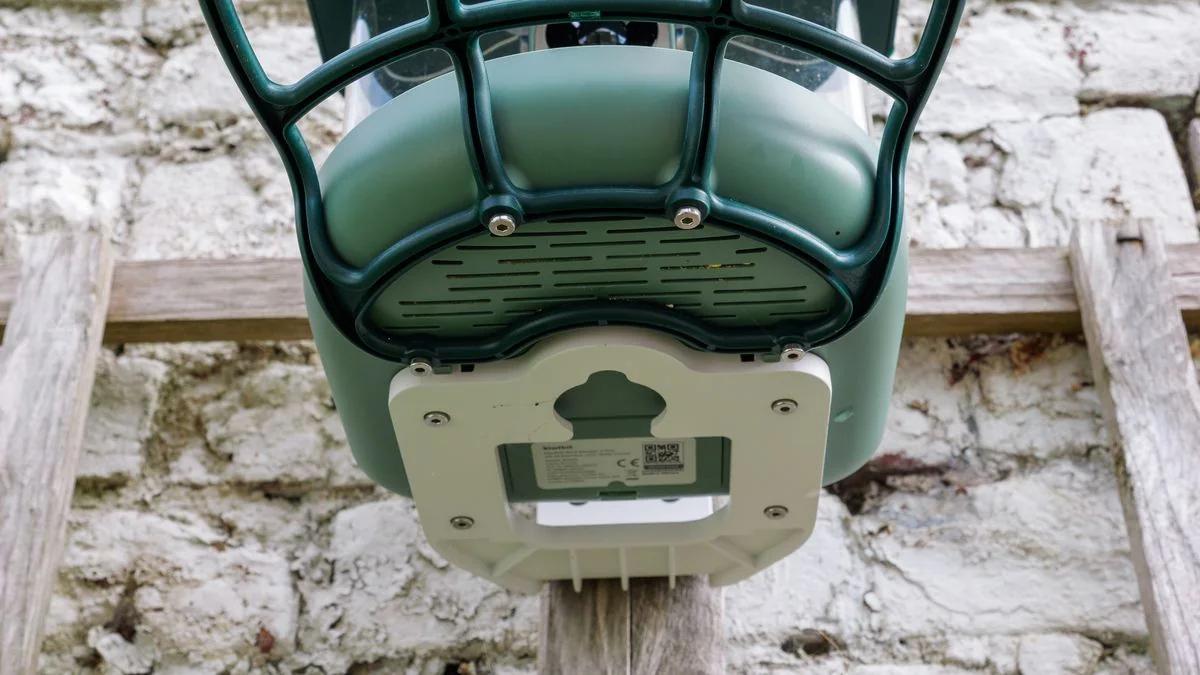
The feeder attaches to the bracket with four small hex screws, which also secure the perch. An Allen key is provided, emphasizing the need to keep it safe for future adjustments. A clip-on water beaker was also included with the review sample.
Power is supplied by a rechargeable, removable battery, continuously topped up by the solar roof panels. This combination proved highly effective, with the battery remaining at 99% capacity for weeks after an initial USB-C charge. The source reviewer noted that testing occurred during sunny late summer and early autumn, with the feeder positioned to maximize sun exposure, and expressed curiosity about its performance in gloomier winter months.
Kiwibit Bird Feeder 2 Pro: Performance
4K video capped at 15fps
AI species ID requires a Kiwibit Plus subscription
Phase-detection autofocus with a 130-degree view
Unlike some bird feeder cameras that struggle with home Wi-Fi, the Bird Feeder 2 Pro maintained a stable dual-band connection throughout testing, even when the signal strength was not optimal. The live feed from the companion app activated with minimal delay.
The Kiwibit app itself was described as poorly designed, with an excess of vaguely named sections, leading to difficulty in navigation and requiring too many taps to access photos and videos. A more streamlined layout would significantly improve the user experience.
Despite its flaws, the app offers some useful features, including written descriptions for each species, a 'Nature Expert' section for bird-related questions, and a 'Collection' page summarizing spotted species. However, many key features, particularly the AI species identification—a core selling point—are locked behind a Kiwibit Plus subscription. This additional cost makes the feeder feel less capable without the subscription, adding to an already premium price.
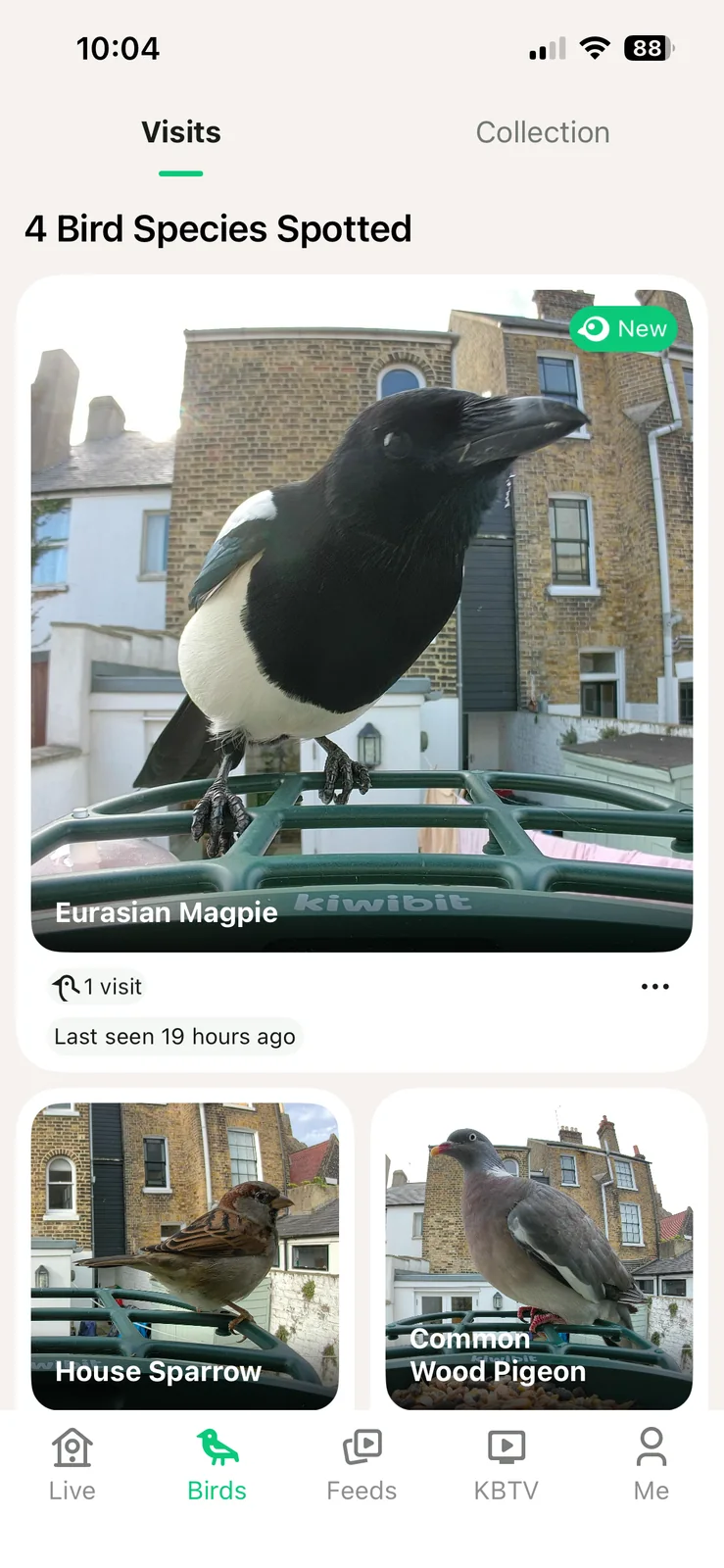
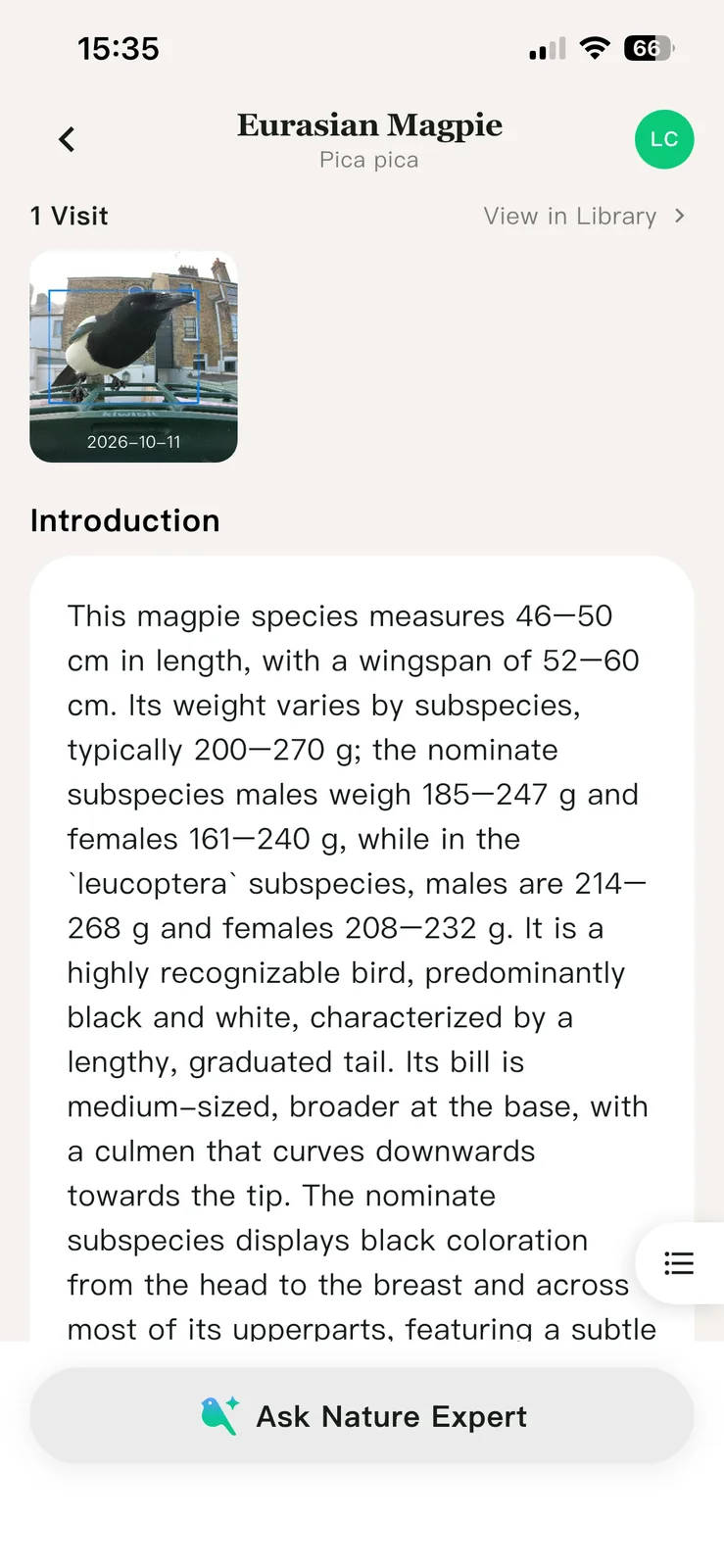
The AI identification system demonstrated largely accurate results, correctly identifying four out of five visiting species during the testing period. A notable limitation was its inability to log multiple species within a single video clip, identifying only the first species it detected.
Image quality presents a more complex picture. While 4K videos and photos generally exhibit good sharpness and clarity, and the autofocus is accurate, the 4K video is capped at a perplexing 15 frames per second. This results in jerky footage, which the source reviewer found detracted from the 4K mode's usability.
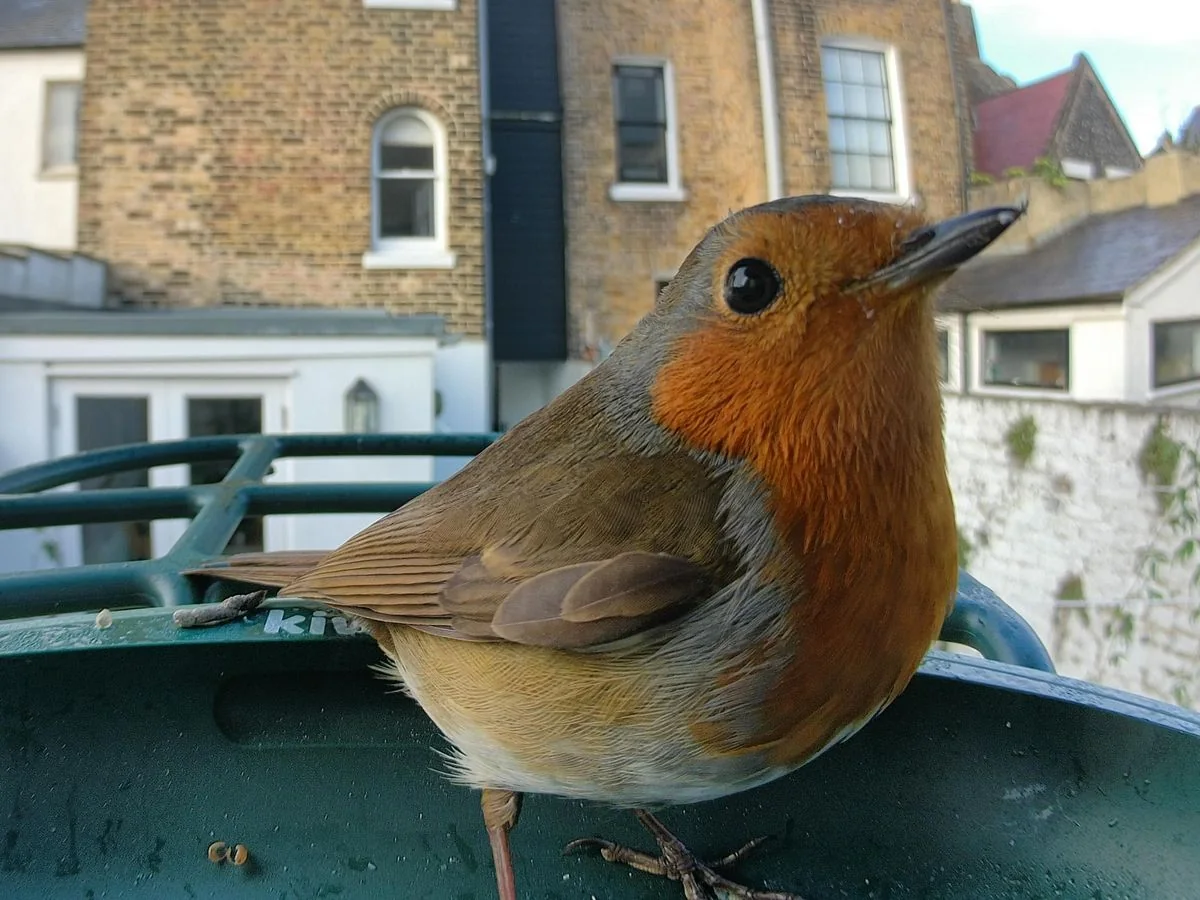
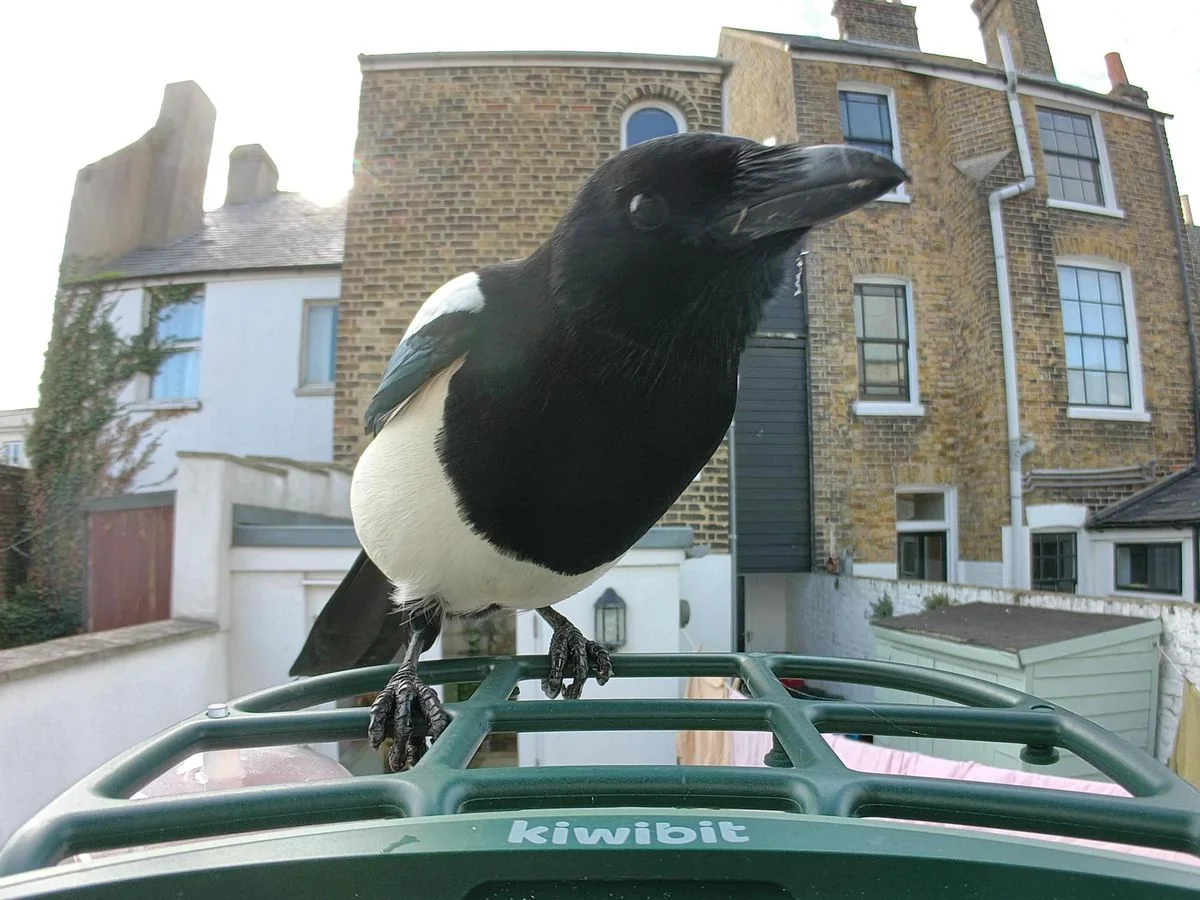
A feature of 4K shooting is the automatic generation of 12MP Ultra HD “Keyshot” stills from footage. These are sharpened and upscaled for detail but were found to be slightly over-sharpened and generated unusually large files (around 10MB). Users cannot manually select the frame for these stills. A second auto photo type, 'SwiftShot,' intended for freezing birds in flight in Ultra Slow Motion, consistently showed birds perched on the feeder with less detail than Keyshots, and did not achieve its stated purpose.
Video clips are set to 10 seconds by default, extendable up to three minutes. The source reviewer noted that videos typically began with the bird already perched, rather than capturing their arrival in flight.
Of the two 1080p slow-motion modes (60fps and 120fps), the 120fps mode was reported as non-functional, appearing to capture at 15fps, resulting in slideshow-like playback when slowed down. This mode was deemed unusable as a video option, with hopes for a future firmware fix.
The 60fps mode performed much better, offering smooth 30fps slow motion at half speed. While lacking the fine detail of 4K, its smoothness made it the preferred option. A notable quirk is that neither slow-motion mode records sound.
Autofocus generally proved reliable, but birds positioned directly in the seed tray sometimes fell outside the minimum focus distance, resulting in soft focus on their eyes and beaks.
Sharing and saving photos and videos is straightforward via the app, offering options to download files or share them. Subscribers also benefit from cloud storage for their media.