Introduction
The original Blue Yeti has been one of the most recognizable go-to USB microphones for content creators since it launched in 2009, and now it finally has a successor. Launching under Logitech G, the Blue Yeti 2 adds modern upgrades, including an interactive LED display, AI de-noising, and a proximity based voice sensor, resolving a notable flaw with its predecessor’s design while still paying homage to it.
Logitech’s new Blue Yeti 2 mic adjusts itself to where you are
The Blue Yeti’s successor is designed for podcasters, YouTubers, and anyone else trying to capture clear audio.
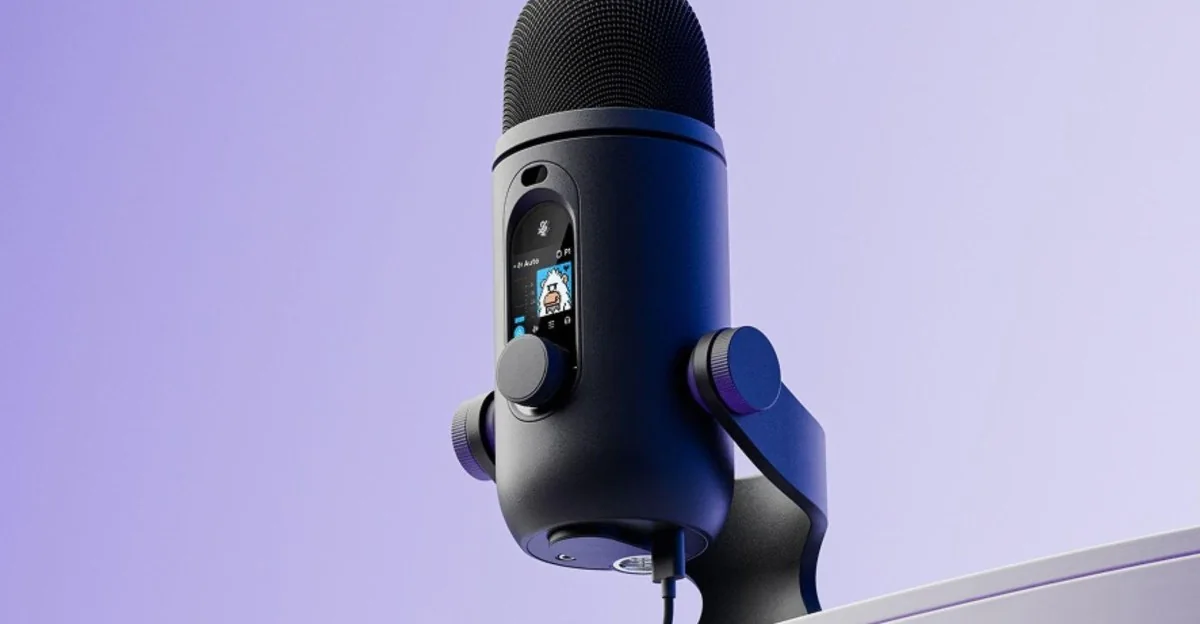
The LED control display includes a Yeti mascot, because of course it does.
Pricing and Availability
It is available in black or white color options for $159.99, which is cheaper than Shure’s popular MV7 series USB microphones that start at $299. It is priced just $10 more than the original Blue Yeti’s launch price. Logitech acquired Blue in 2018 and later merged the brand into its gaming-focused Logitech G sub-brand.
If you prefer to manually adjust your gain and other audio settings then this image suggests you can do so.
Automated Audio Controls
The Blue Yeti 2 includes a built-in audio proximity sensor that tracks your voice in 3D and automatically adjusts gain, EQ, and pickup patterns to preserve recording quality regardless of your distance from the mic. That makes it more beginner-friendly than the original model. It also retains a similar design to the original Yeti while addressing past confusion regarding speaking direction.
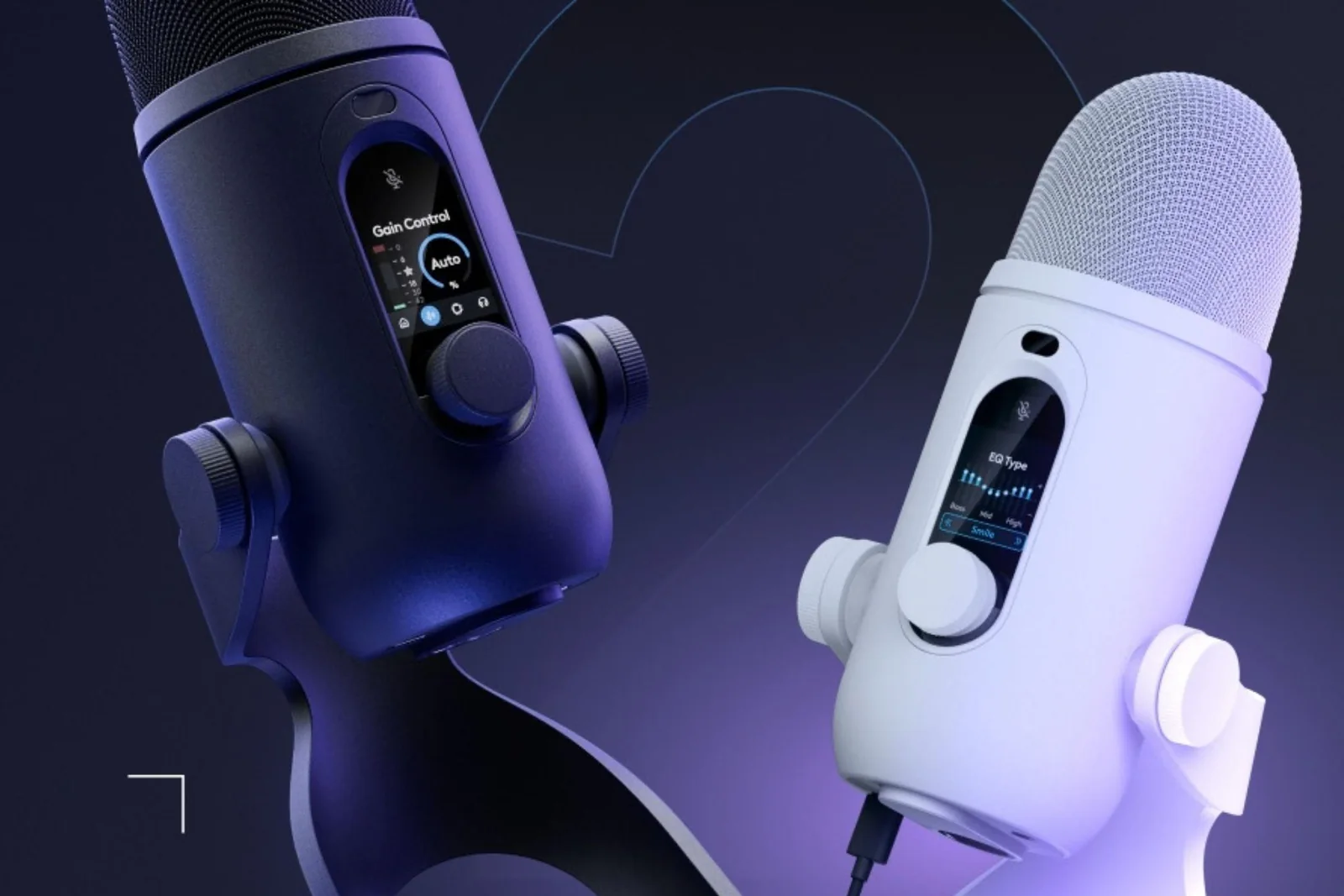
Here’s how the black and white color options compare…
…and a closer look at that “Yeti character” that visualizes your audio setting adjustments.
Audio Specifications
It provides up to 24-bit / 48 kHz high-resolution capture. Other audio features include integrated direct digital signal processing to improve voice clarity without additional software, and AI-powered noise removal to reduce unwanted background sounds like computer fans and mouse clicks. The 1.3-inch color LED display on the front provides visual feedback on gain levels and polar patterns.